Posted on Leave a comment

SUPERFERTIL: a voluntary urine collection point to fertilise our fields

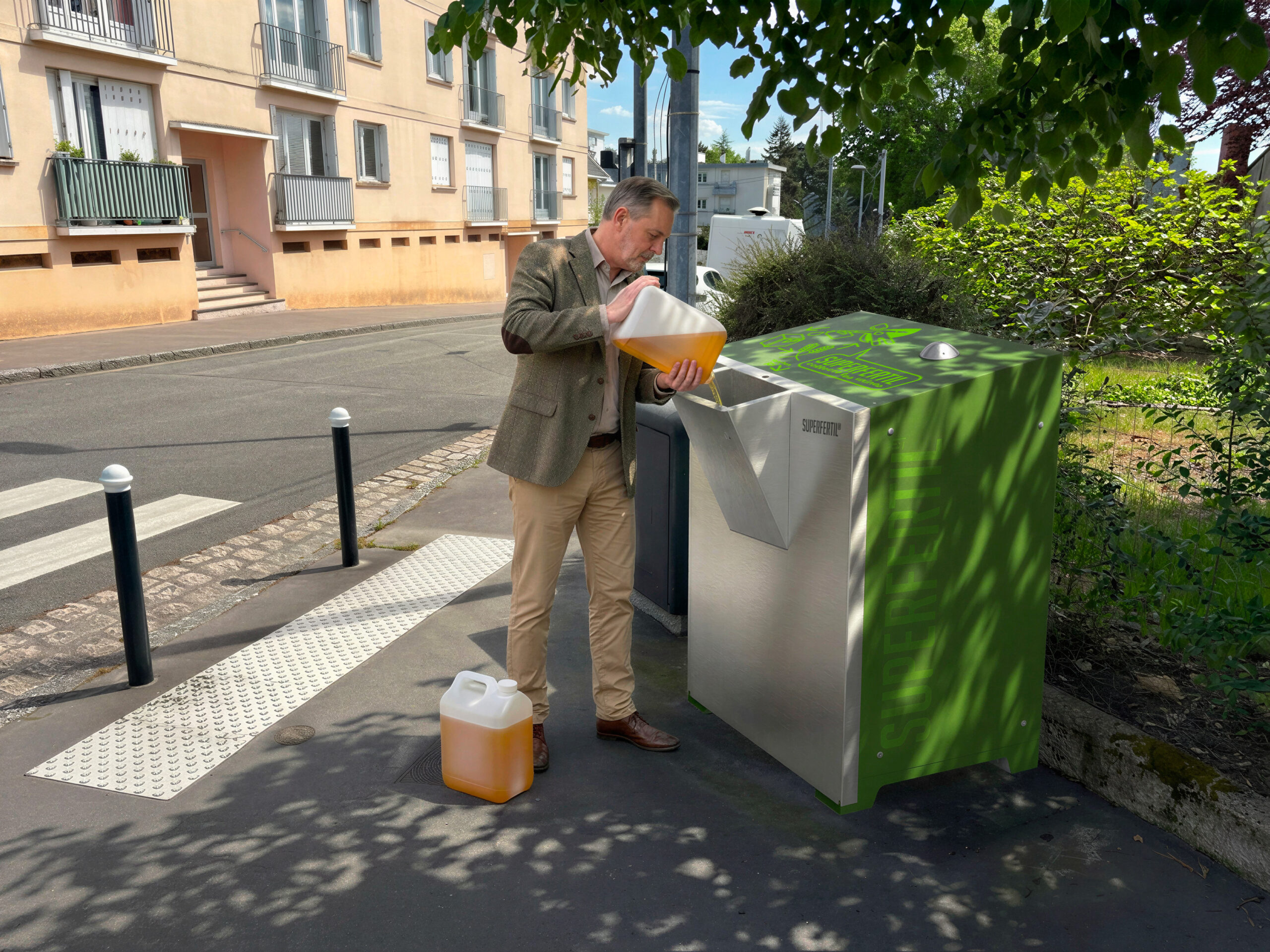
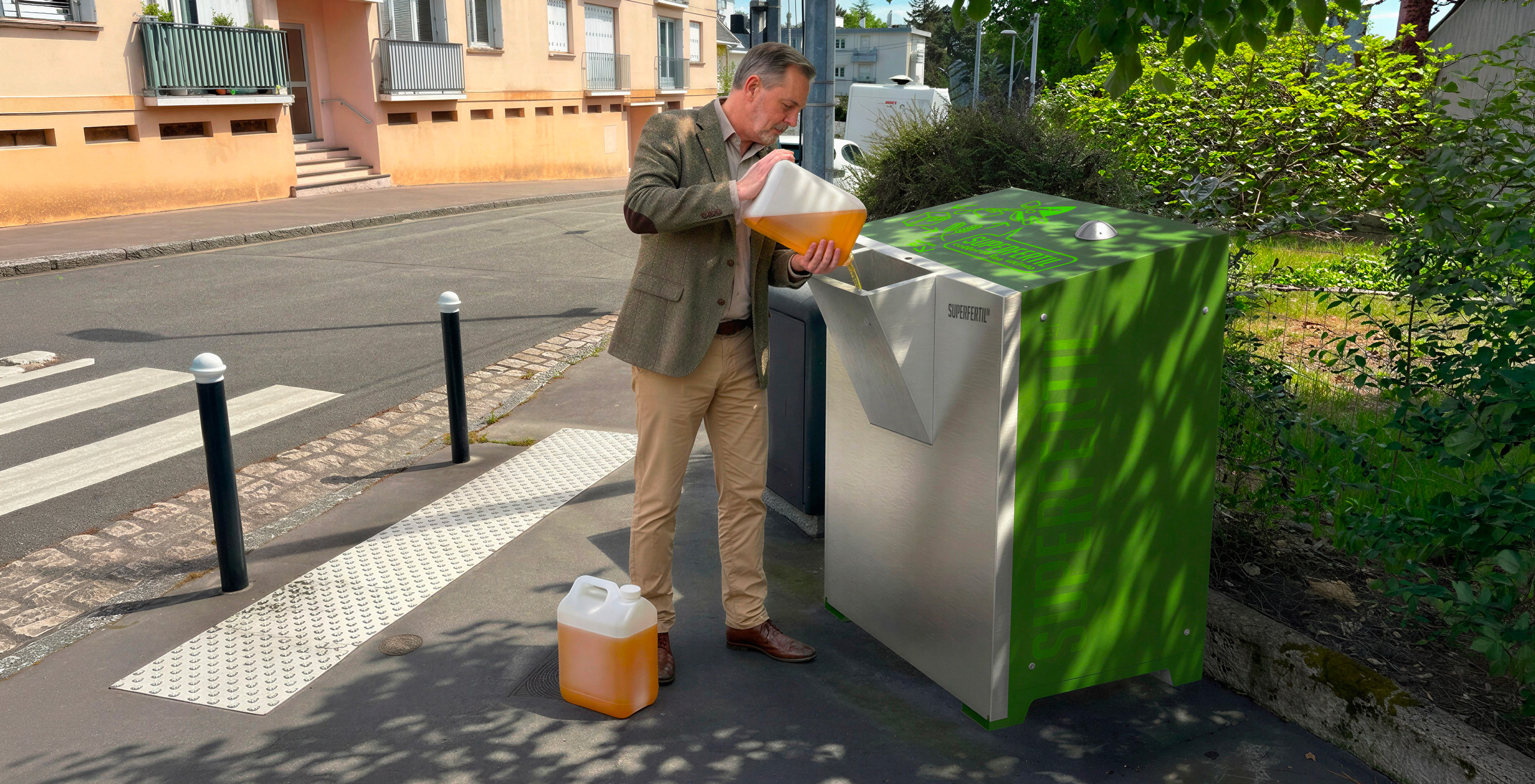
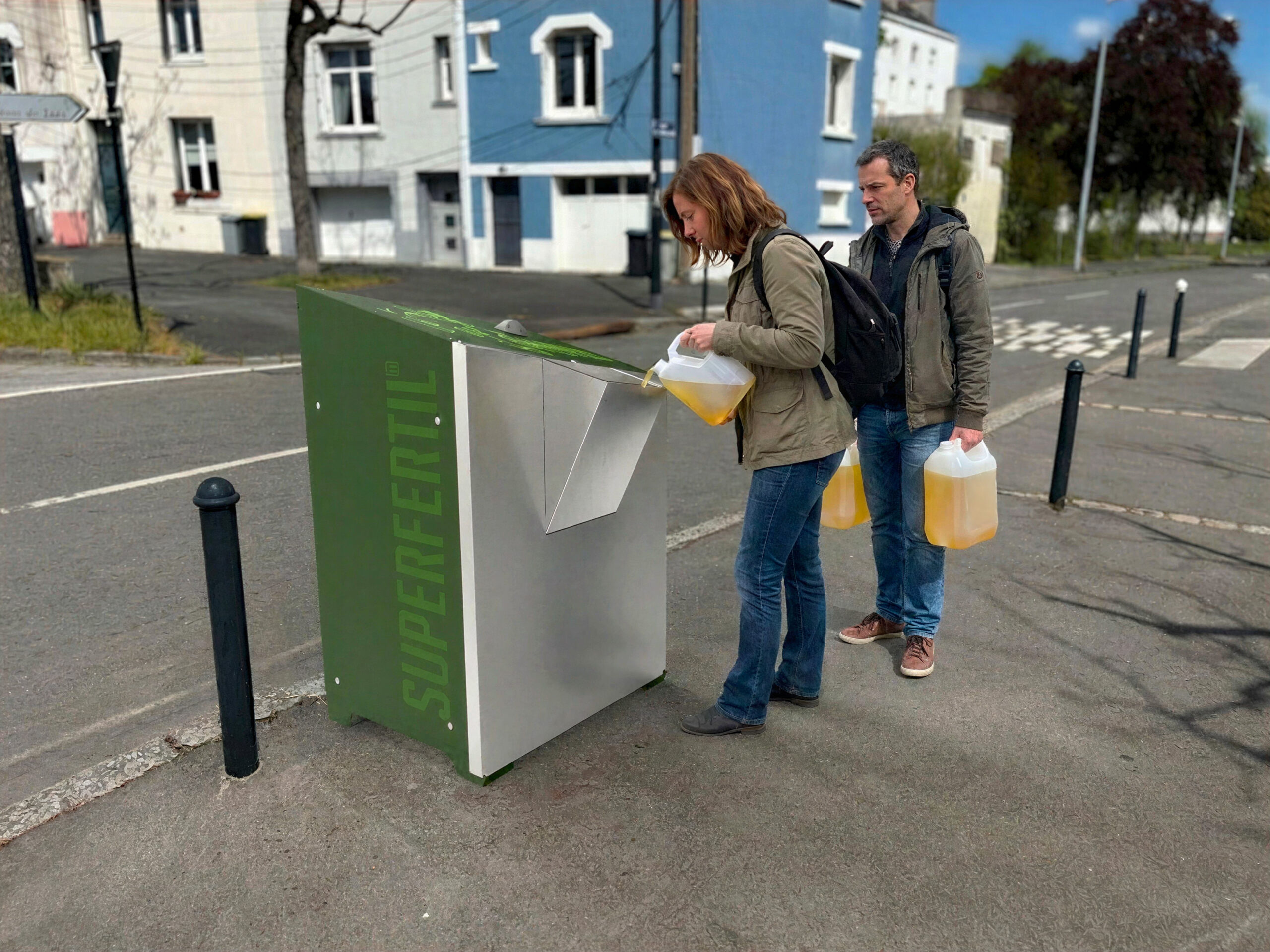
Citadin déposant ses urines dans une borne SUPERFERTIL avec deux bidons de 5 litres en ville

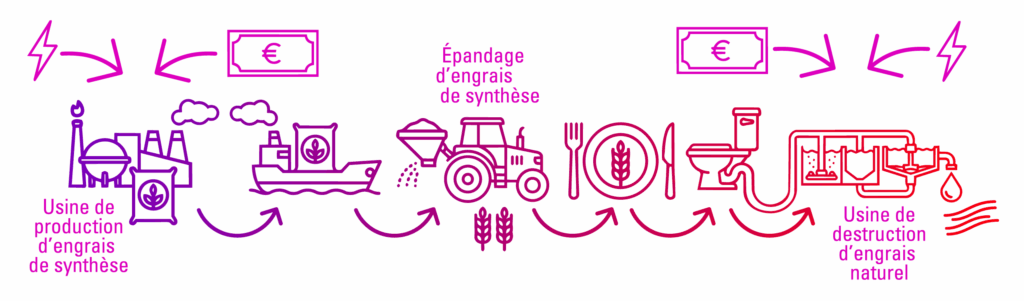
The blockade of the Strait of Hormuz has now laid bare one of the most overlooked vulnerabilities in our food system. A third of the world’s nitrogen fertilisers pass through this 34-kilometre-long corridor. Yet a solution could be found right here in our cities: human urine, rich in nutrients, is a natural fertiliser produced daily, free of charge, by each and every one of us.
Urine: a natural fertiliser that can be collected in urban areas

Human urine contains nitrogen and phosphorus in forms that plants can absorb directly – the same essential nutrients found in synthetic fertilisers imported from the Persian Gulf. When stored for a few months, it turns into liquid manure, a natural agricultural fertiliser that is ready for use.
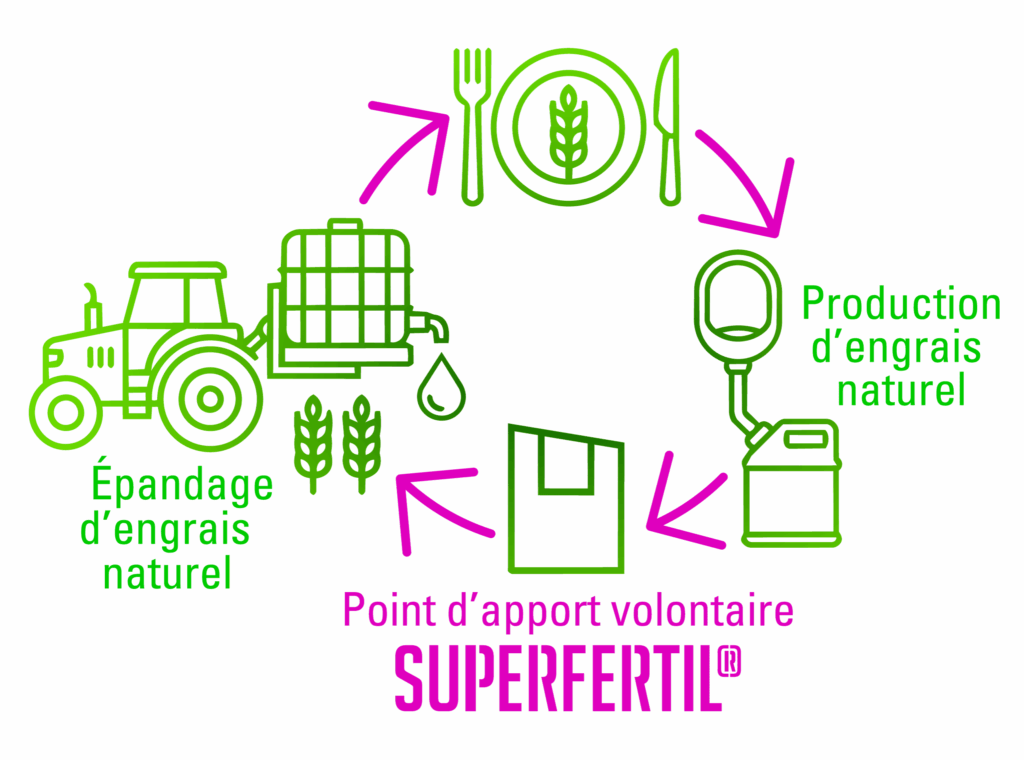
The OCAPI action research programme run by LEESU (École des Ponts ParisTech) has demonstrated this in practice through the EnVille project. Since late 2023 in Châtillon (92), around twenty residents have been dropping off their urine every week at a collection point within their AMAP. The urine collected is then returned to the fields in the form of liquid manure. The nutrient cycle is closed.

The experiment works. The question now is how to scale it up.

SUPERFERTIL: a voluntary urine collection point for the metropolitan area

This is the ambition that Ekovore wishes to pursue by offering SUPERFERTIL, a urine collection station designed to be deployed on a territorial scale.

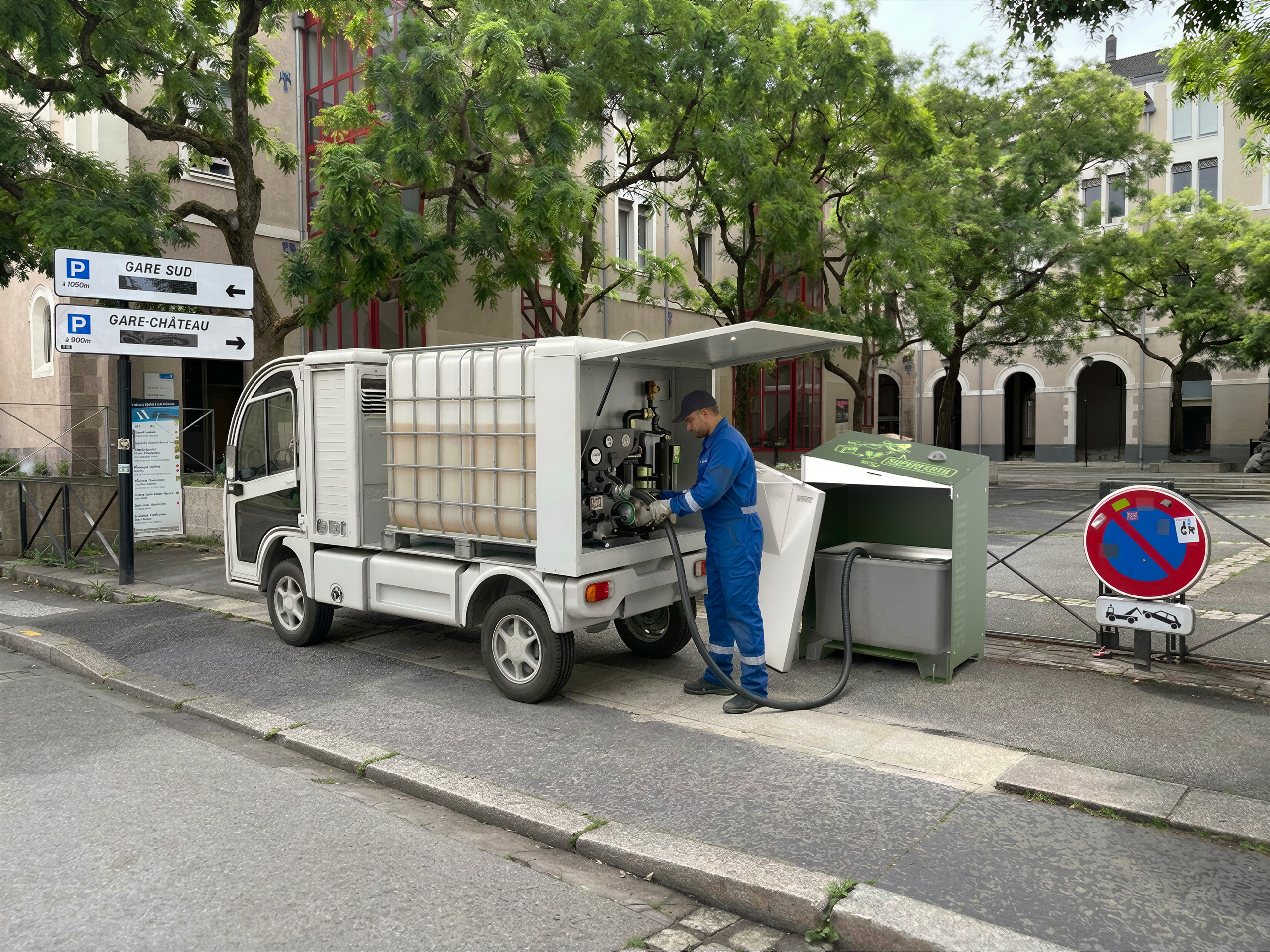
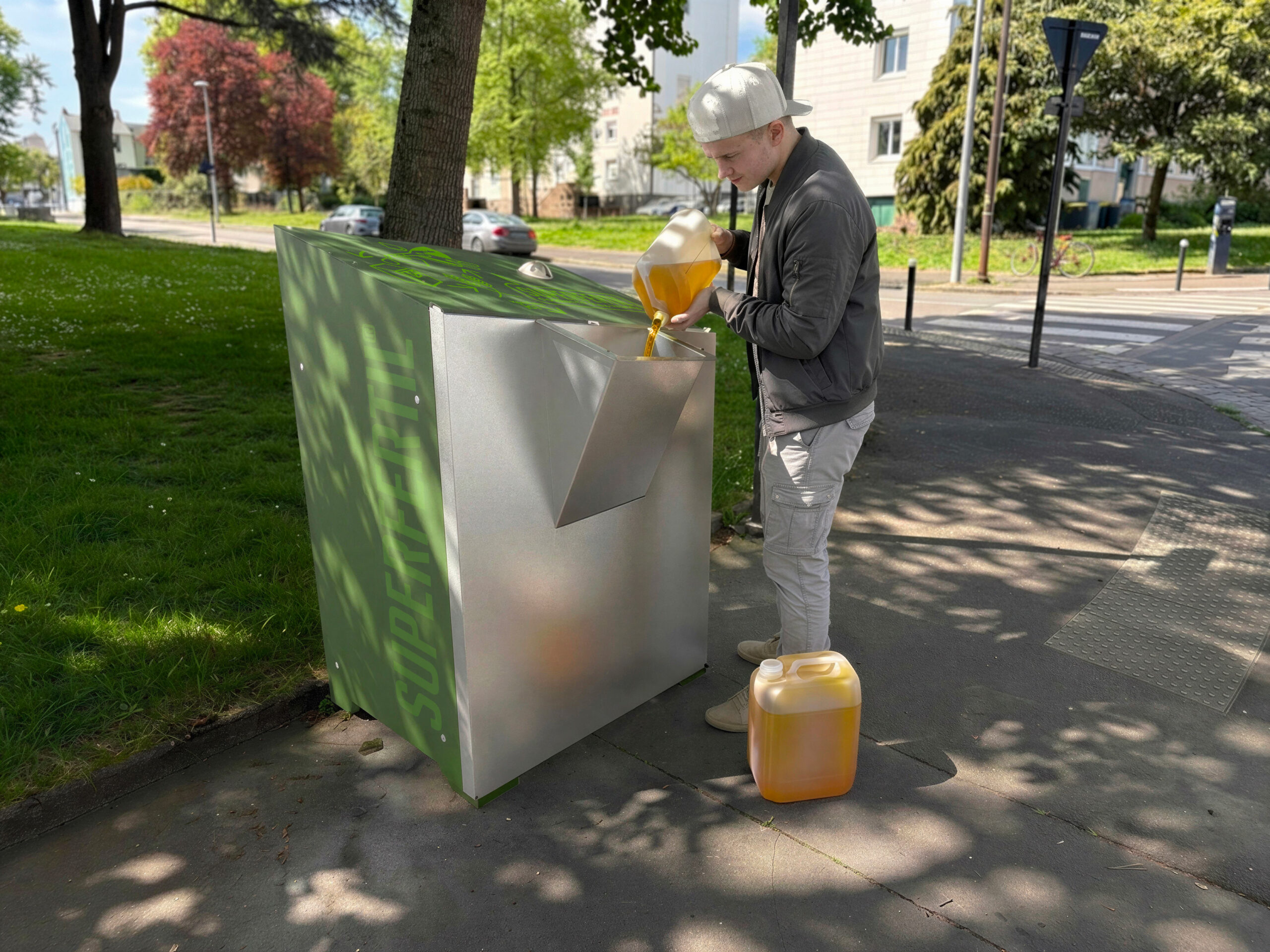
Designed by the Faltazi studio, SUPERFERTIL is installed in public spaces as a voluntary drop-off point, similar to the bio-waste containers already present in our streets. Residents deposit their urine collected at home there, in a simple and accessible way for everyone.

The objective: to build local agricultural valorization channels for urine on a metropolitan scale, relying on existing collection logistics of septic tank emptying companies and on specialized service providers to transport the collected volumes to partner farms.
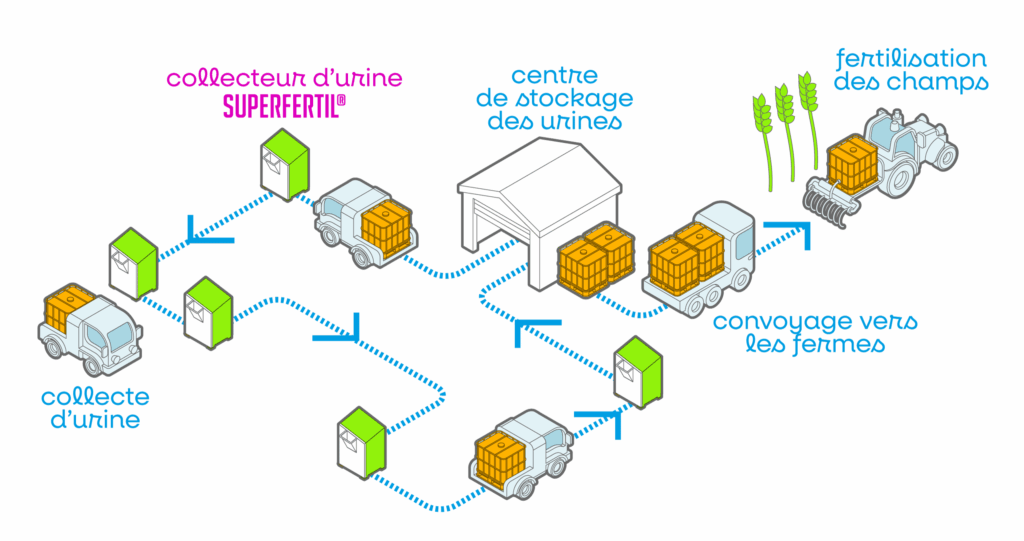
From the waterless urinal to the voluntary drop-off point

SUPERFERTIL is part of a broader initiative led by Ekovore focused on the ecological management of urine in urban environments. Our waterless, eco-friendly urinals already allow for urine collection at the source in public spaces, without water consumption. SUPERFERTIL complements this approach by offering citizen-led collection and application to fields.

Two pieces of equipment, one same logic: no longer treat urine as waste, but as a resource.
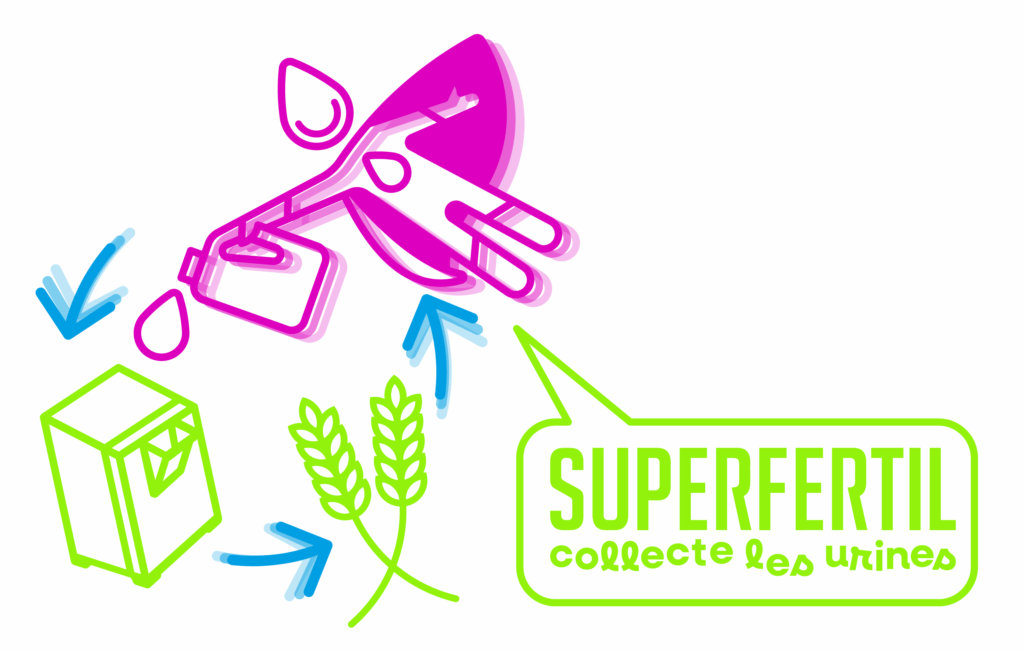
Produce locally what we import from the other side of the world

The nitrogen fertilizer we currently import from the Persian Gulf can be produced locally, organically, and collectively. SUPERFERTIL is not just an urban amenity; it’s a proposal for food sovereignty at the neighborhood level.

So? Shall we fill the jerrycans?
Posted on Leave a comment

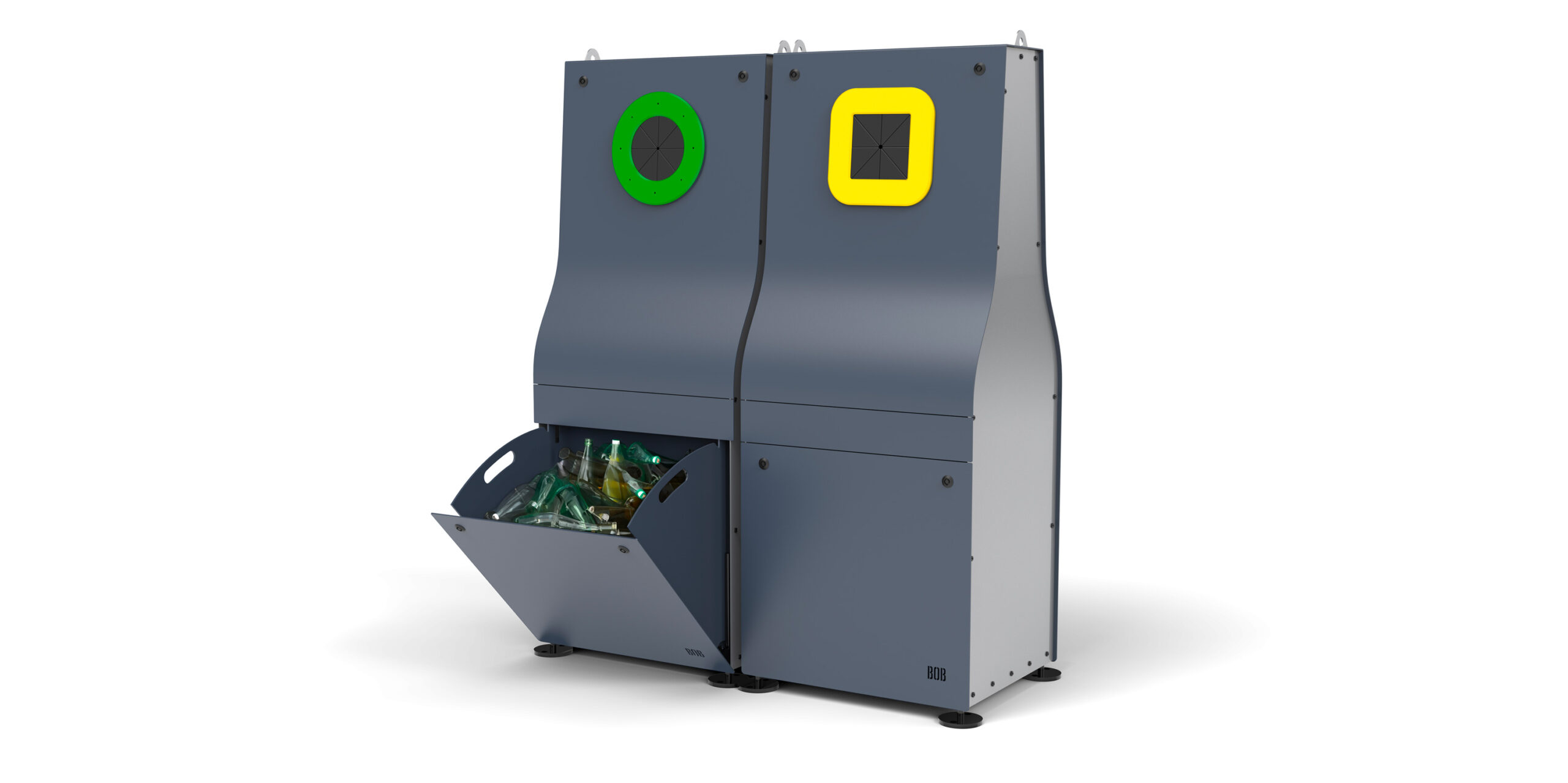
BOB ! Also for on-the-go consumption!

BOB collecte le verre et les emballages issus de la consommation nomade

BOB is designed for the collection and sorting of glass in public spaces, but not only that…

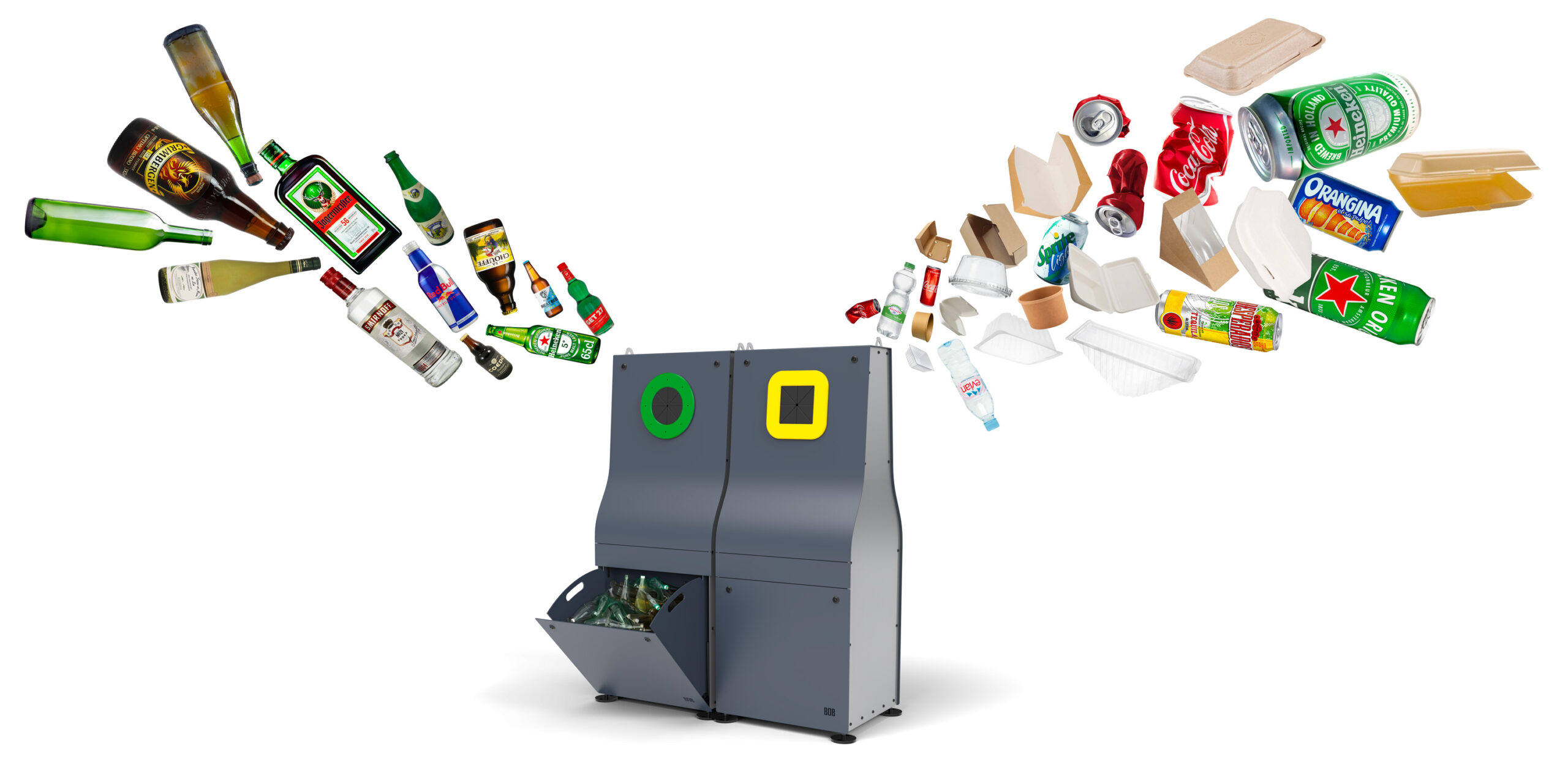
BOB now also offers an out-of-home collection and sorting solution for on-the-go packaging! BOB has a new square yellow lid for food packaging.

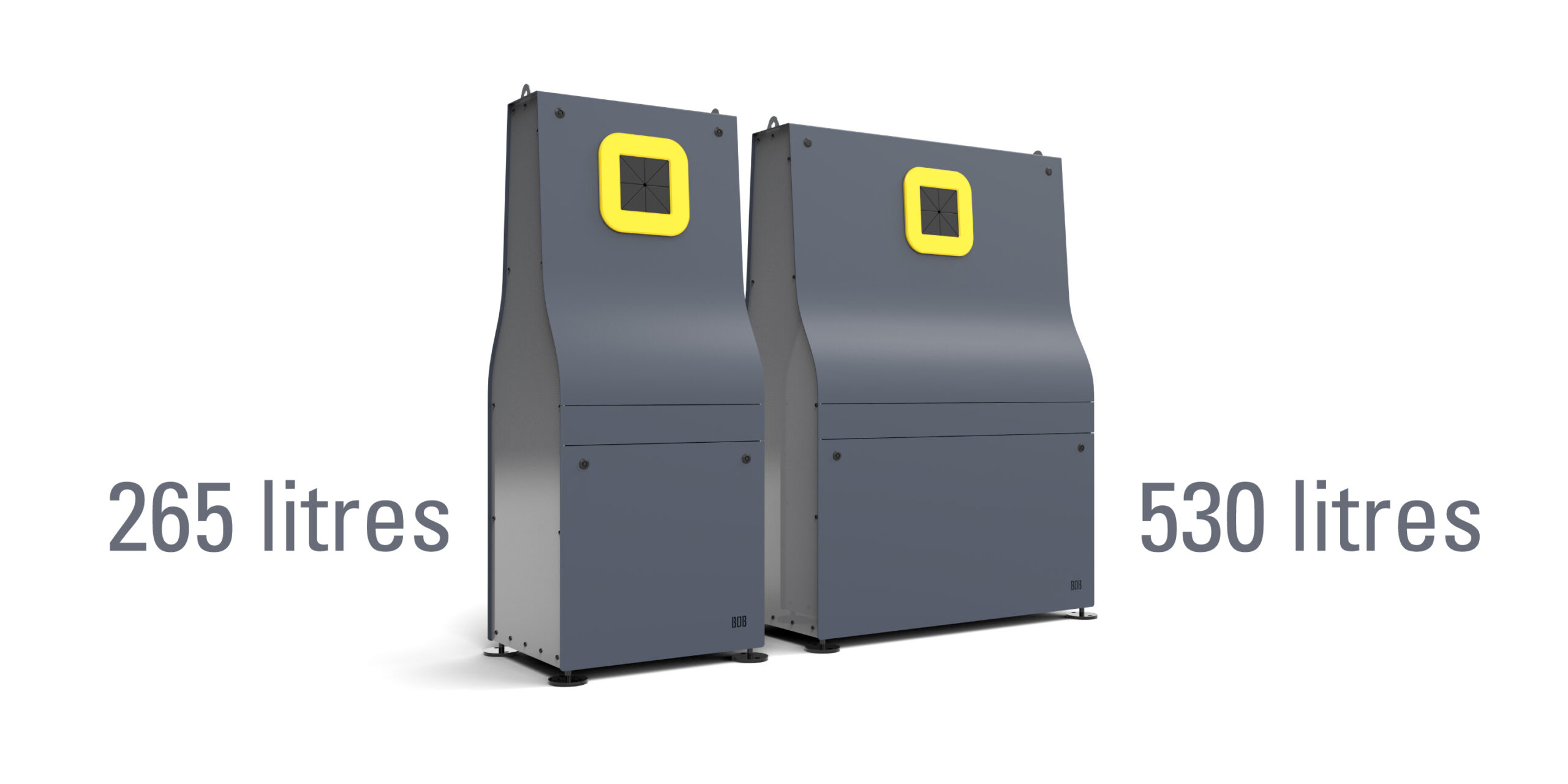
Another new feature is that BOB has broadened its shoulders, offering a second storage capacity of 530 litres.

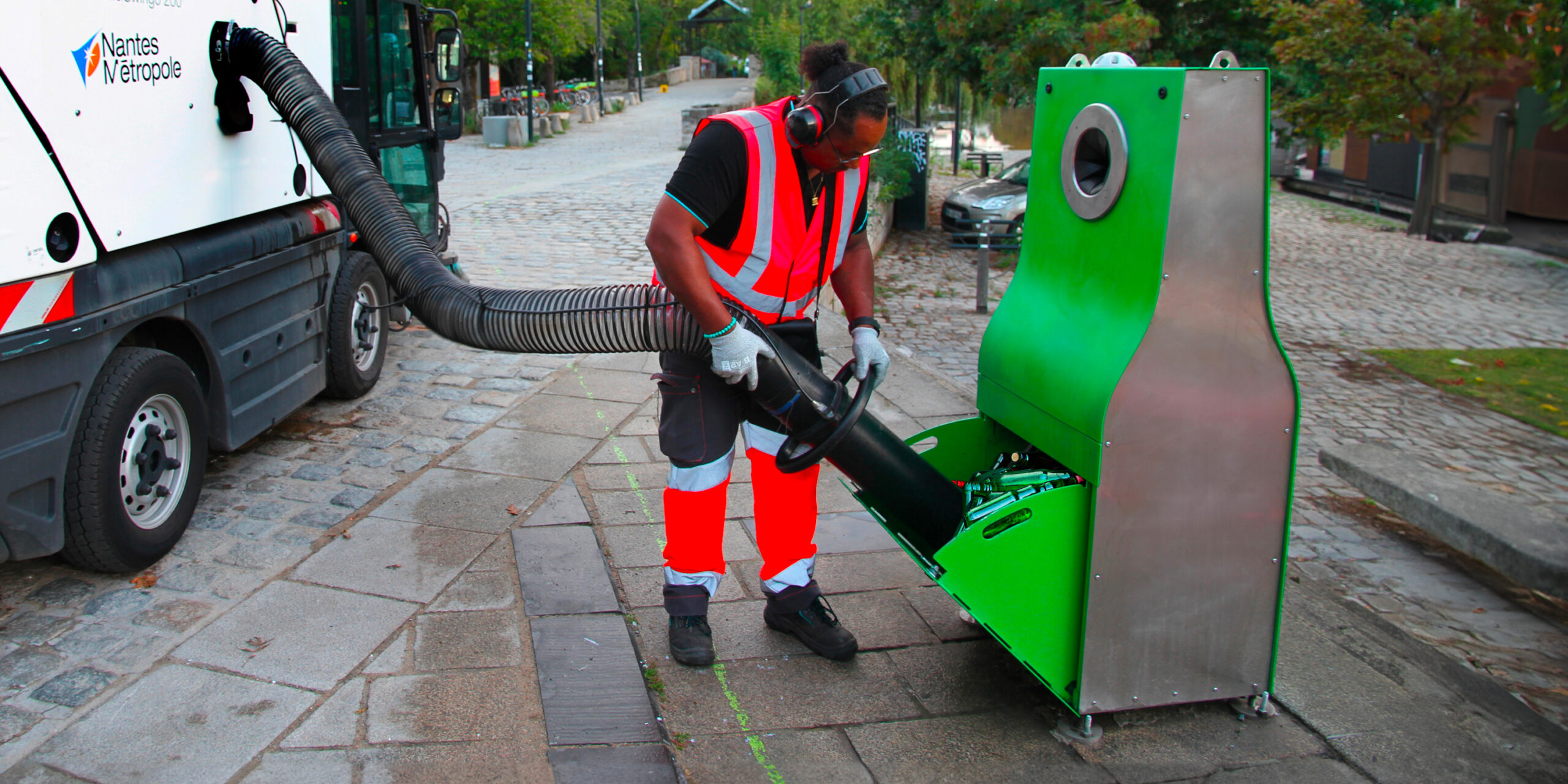
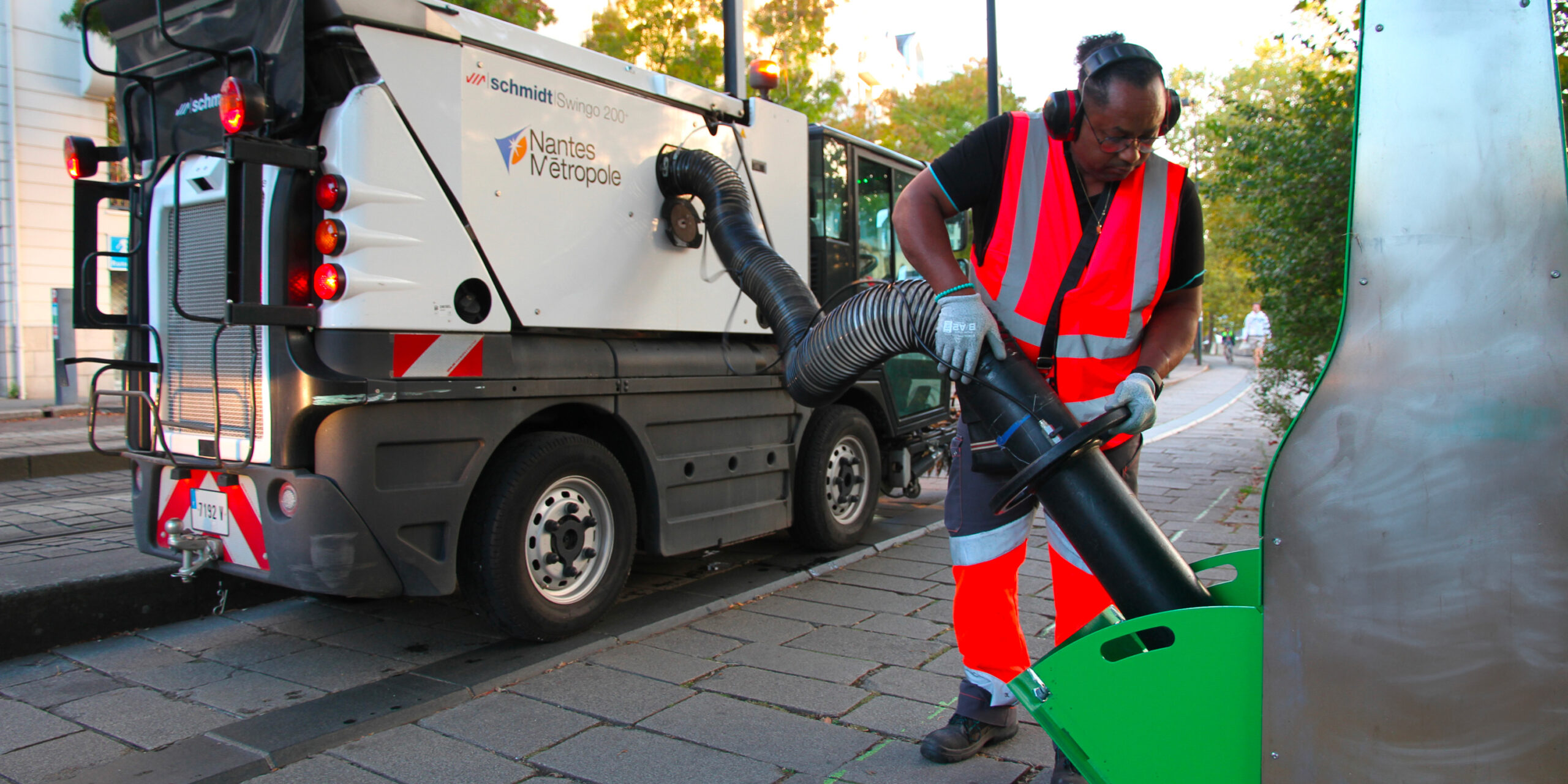
BOB is simply emptied by suction, using the fleets of sweepers and vacuum cleaners already available in urban areas. It can be emptied by a single operator. It saves a considerable amount of time and manpower, as it avoids the need for cumbersome manual collection, which can lead to musculo-skeletal disorders.

BOB is a removable device. It can therefore offer a collection solution for urban cultural or sporting events.

Posted on Leave a comment

BOB celebrates its first year!

Le container à verre BOB se vide par balayeuse aspirante. Une porte à bascule permet l'accès au verre pour l'aspirer. Deux agents techniques de Nantes Métropole aspirent les bouteilles en verre en vu de leur recyclage.

BOB, the tactical glass collector installed at Nantes Métropole, is celebrating its first year of operation!
1 waste management officer / 10 BOBs installed / 1 Aebi Schmidt Group vacuum sweeper / 2 empties of 4m3 per week / 800kg of glass collected.

BOB, the missing link between the litter bin and the large glass container!

Posted on Leave a comment

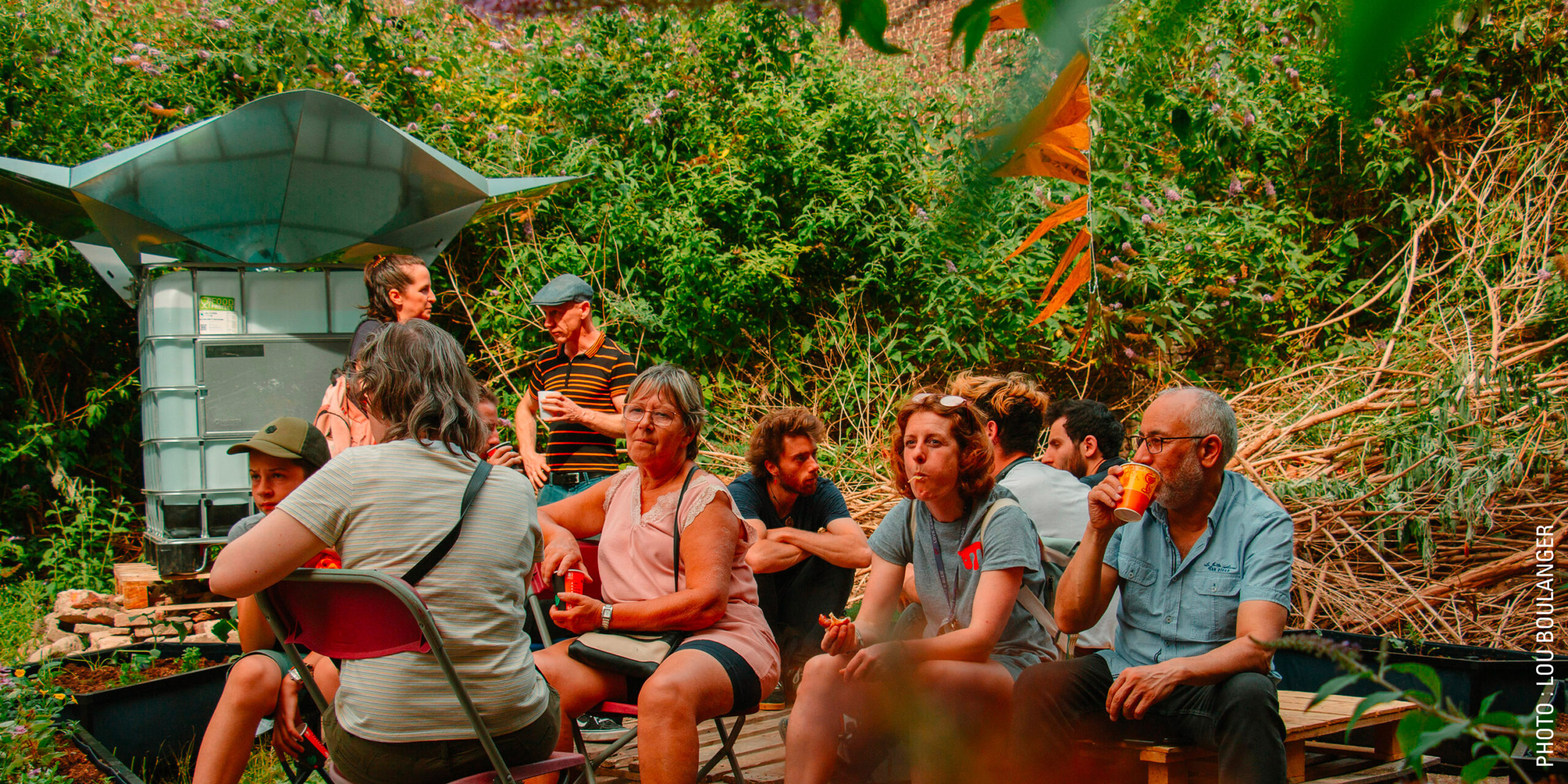
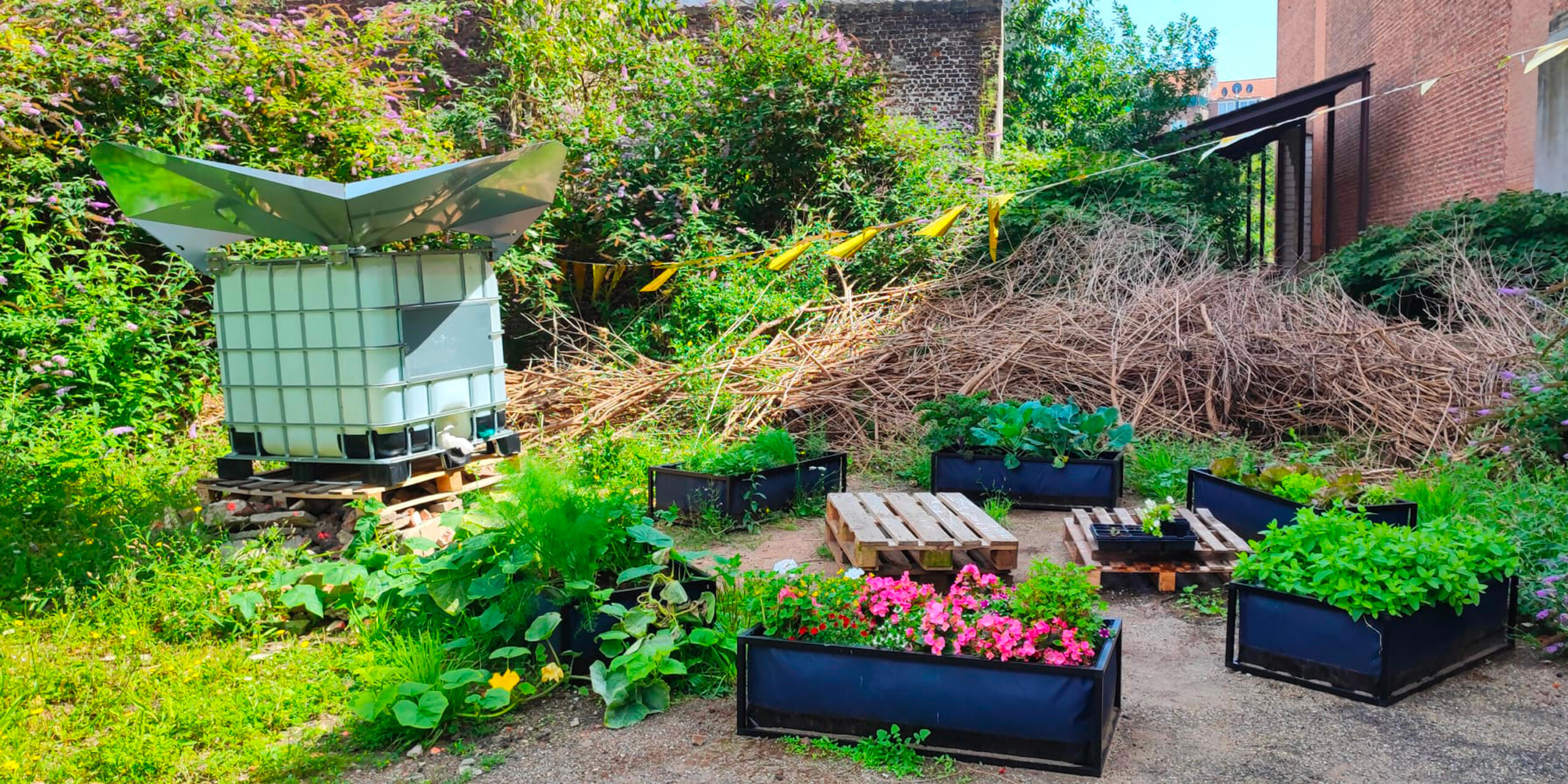
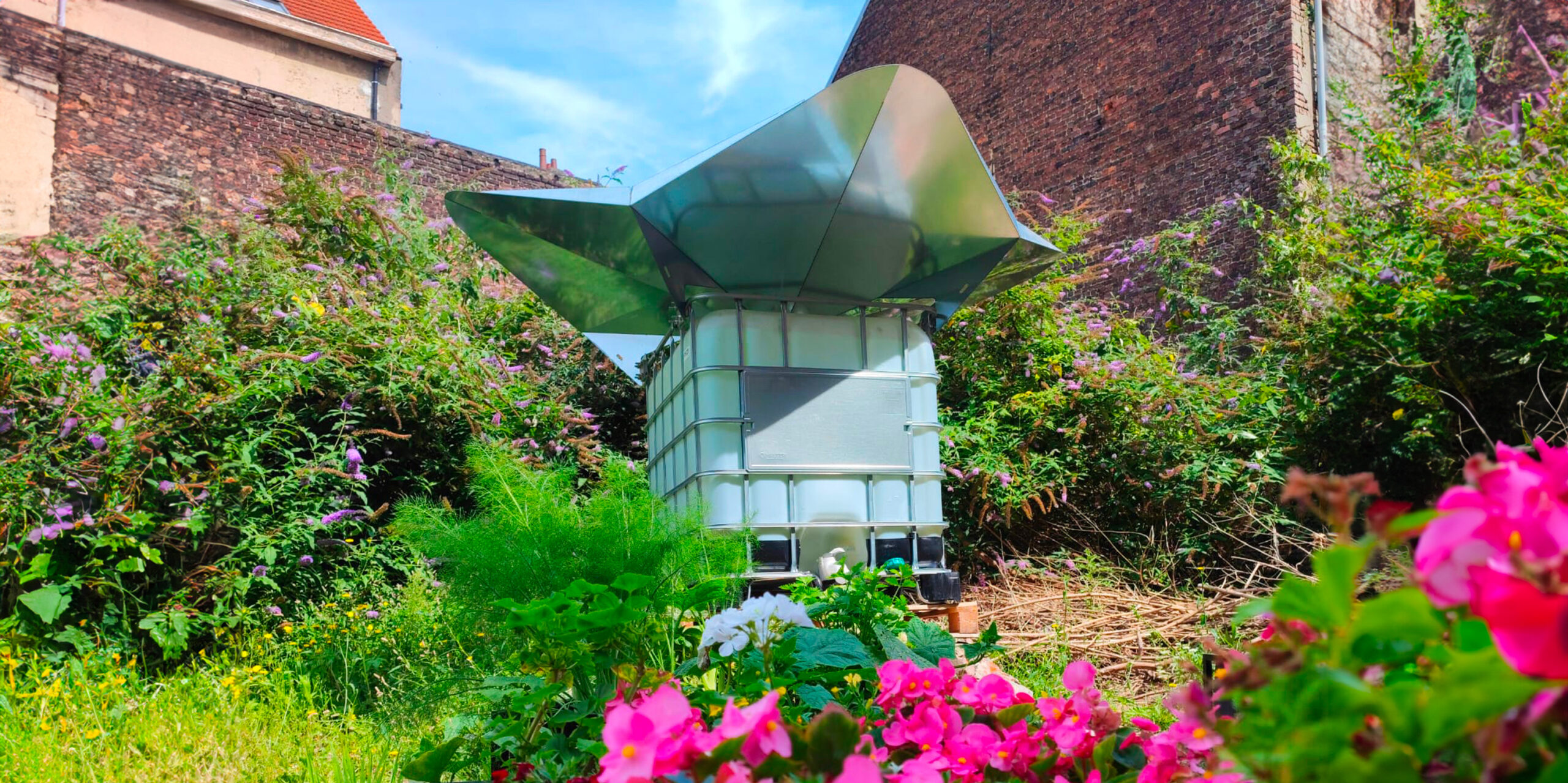
ROSILUV at the Parc Maximilien Farm in Brussels

ROSILUV Ferme du Parc Maximilien à Bruxelles

In Brussels, the Ferme du parc Maximilien collective, set up on a wasteland, has no water supply.

He chose the ROSILUV GALVA self-contained rainwater collector for watering.

Thank you to Maral Voskertchian, project manager, for her feedback:

“The structure seems to be holding up well and the first rain has already partly filled the tank. This collector will now give us access to water on an urban wasteland so that we can grow a few planters with the help of local residents”.

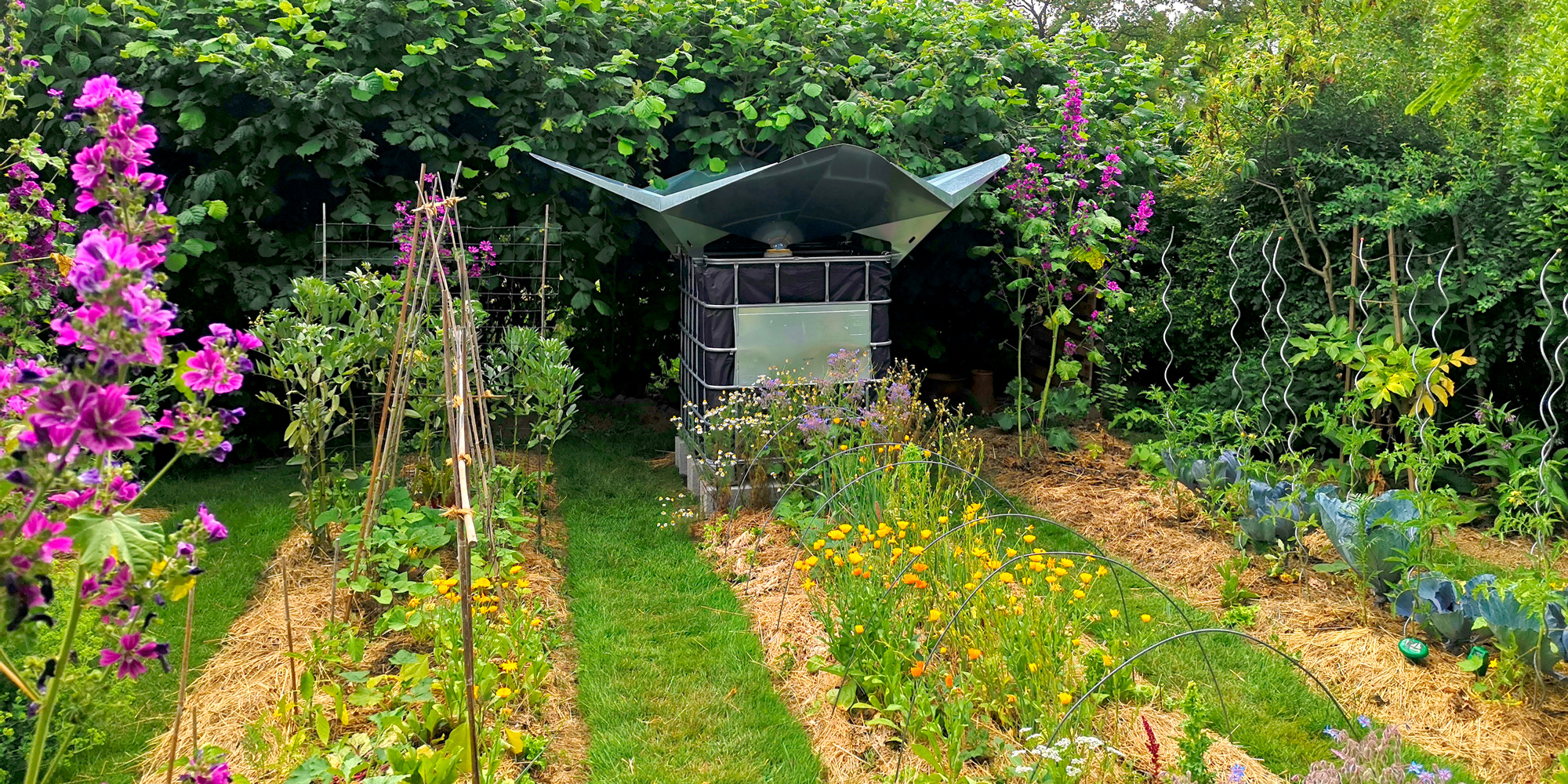
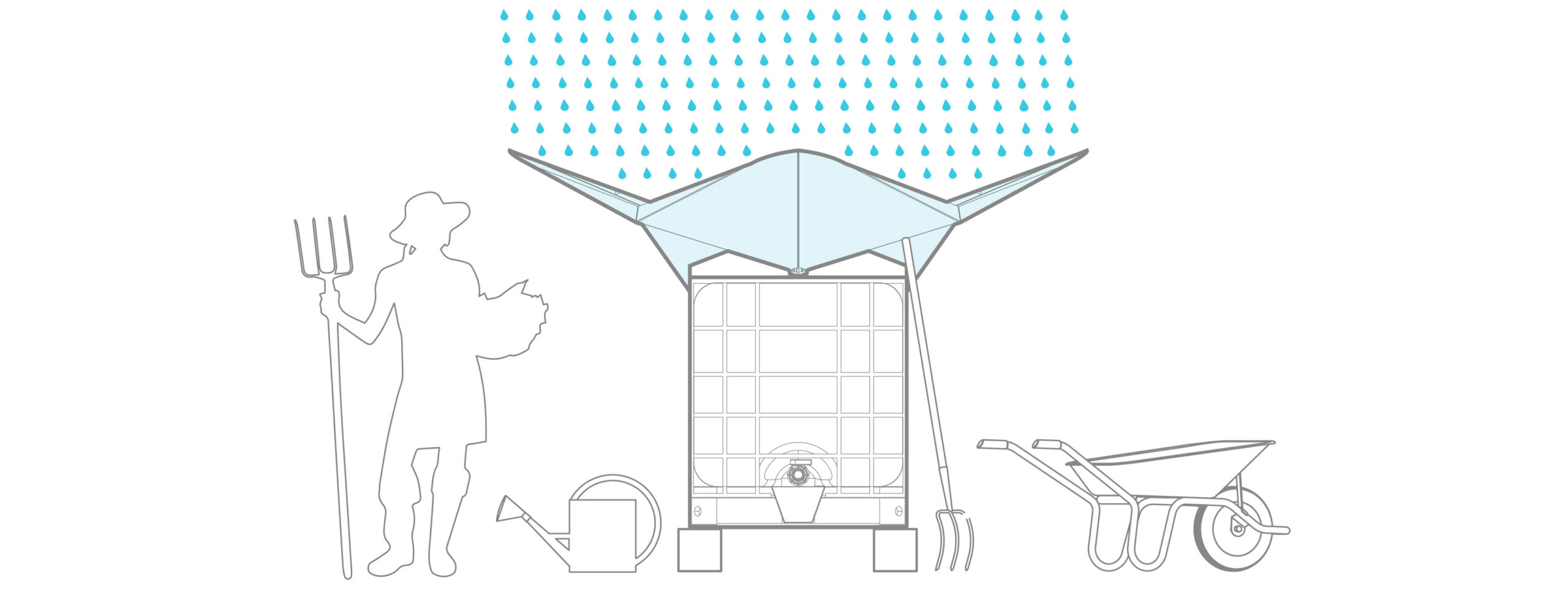
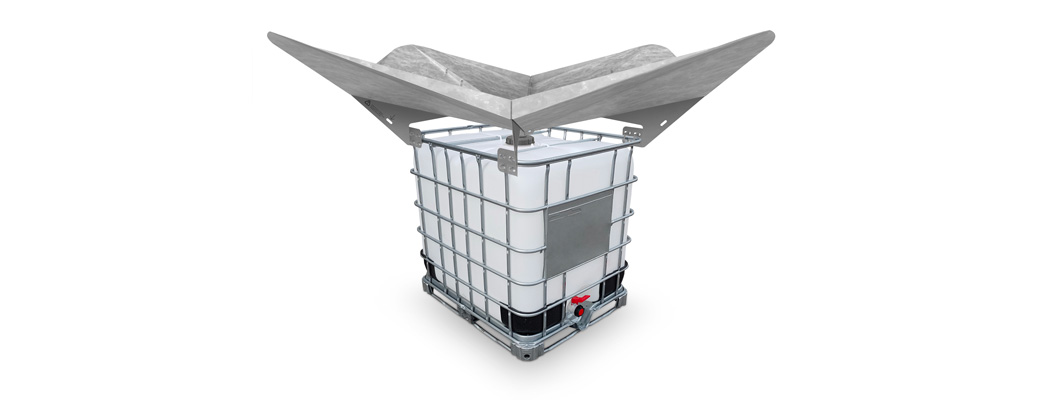
Rosiluv is a clever rainwater collector that can be installed on top of 1000-liters intermediate bulk containers (IBCs) so that they can be filled without the need for a nearby roof.

It’s an economical solution for watering vegetable gardens, allotments and shared gardens, educational school gardens and urban wasteland. Rosiluv also provides a simple solution for access to water for eco-pasture.

This robust, low-tech 4.3m2 funnel is made from galvanised steel.

Using Rosiluv :

– you have easy access to water for irrigation.
– you reduce your water bills.
– you have a rain shelter to store your tools.
– optimise the life of your IBC tank by protecting it from UV rays.

Posted on Leave a comment

ROSILUV, a new tool for the vegetable garden!

Rosiluv, collecteur d'eau pluviale en forme de toiture-entonnoir qui s'installe au sommet des tonnes à eau (IBC 1000 litres)

The economical solution for watering the garden with rainwater.

Rosiluv is a clever solution for collecting rainwater efficiently for later use in your garden.

Rosiluv is a 4m2 funnel that can be easily installed on top of a water tank (IBC 1m3).

Rosiluv collects rainwater directly into your tank.

Rosiluv is a low-tech, robust equipment made of galvanized steel.

Using Rosiluv :

  • you have water available for watering the garden, even in times of drought.
  • you reduce your consumption of drinking water.
  • you reduce your water bills.
  • you optimise the life of your tank by protecting it from solar radiation.
  • vous disposez d’un abri-pluie pour entreposer vos outils.

    Découvrez Rosiluv !
Posted on Leave a comment

BOB presented to the technical services of Nantes Métropole

Présentation de BOB aux Services techniques de la propreté de Nantes Métropole

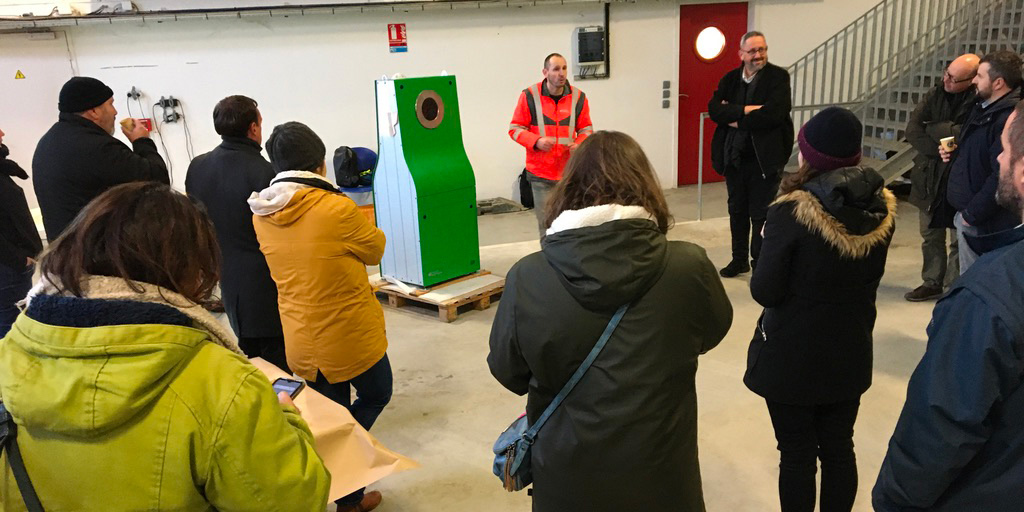
This morning, BOB was presented to all of Nantes Métropole’s waste management technical departments.

BOB, the missing link between the city litter bin (which is too small) and the large glass containers (which take up too much space).
Emptying by vacuum cleaner to simplify the day-to-day work of field operatives, who are used to having to collect glass litter by hand. An above-ground solution that is easy to install without the need for a soil survey.

#trialasource#container #smartcity#PAV#bouteille#verre#environnement#transitionécologique

Posted on 1 Comment

Reënstok building façade water tank

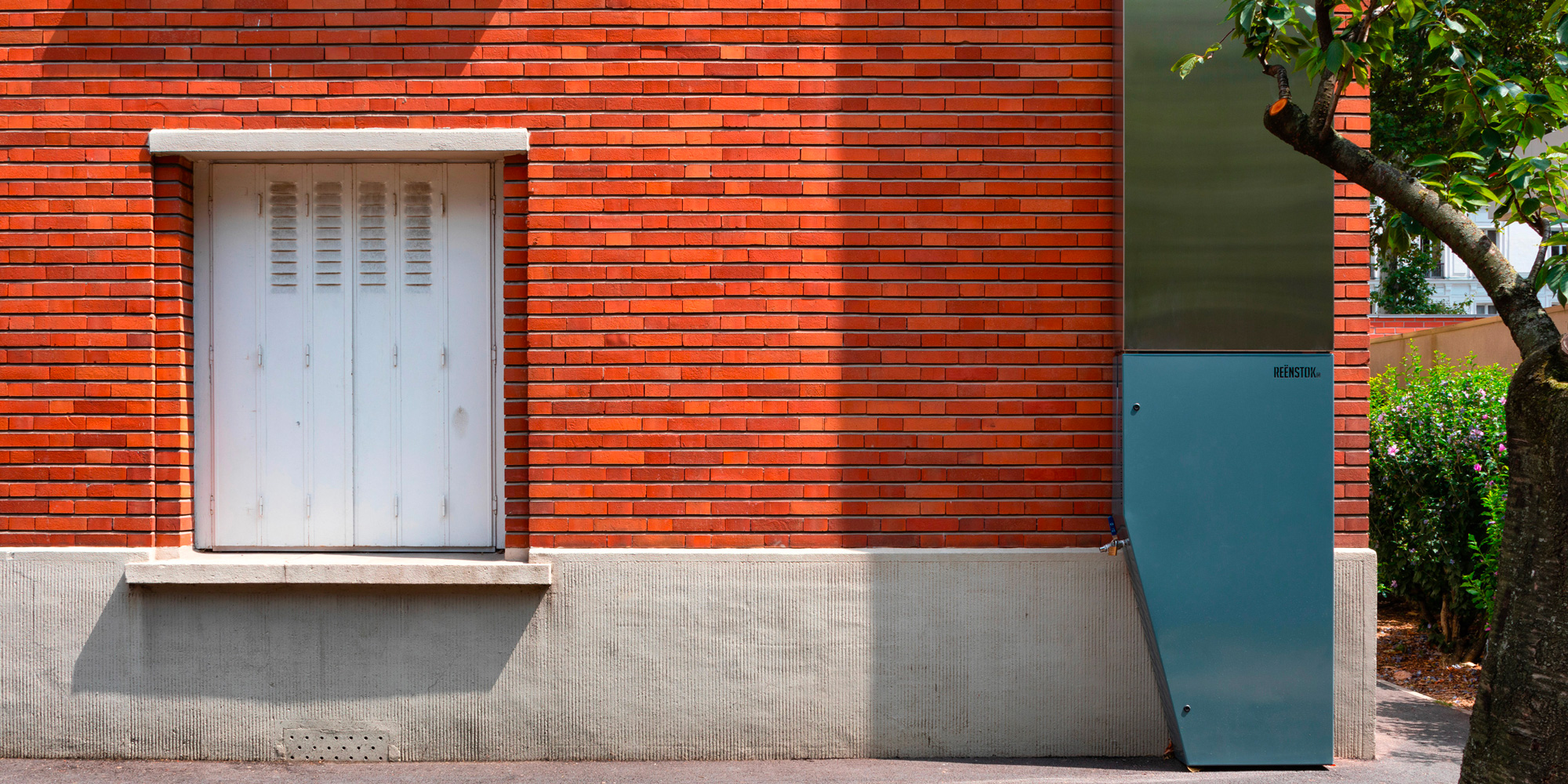
Reënstok est une colonne-réservoir d'eau pluviale greffée, ici, à la façade d'un immeuble localisé rue Louis Blanc à Paris

Installation of rainwater collection and storage systems on the facades of existing buildings, by Studio Faltazi, designers

Imagined by the designers of Studio Faltazi, Reënstok is a facade reservoir that replaces downpipes in order to use them in situ: watering balconies, gardens at the foot of buildings and green walls. In July 2019, a first façade tank will be installed on rue Louis Blanc (Paris 10) with the support of Paris Habitat and the DPE, followed by a second tank in 2020 on rue Delesseux (Paris 19).

Reënstok building façade water tank
Climate change remains the most pressing issue for our planet, and large metropolitan areas are the first victims of deteriorating air quality, urban overheating and the changing relationship between man and nature. There are already a number of solutions to slow down, or even stop completely, the destructive impact of man on our planet. Urban lighting is a technical enzyme that can help generate new actions and uses in our cities.

On average, the Paris water department collects, moves, treats and distributes 483,000 m3 of drinking water to 3 million users every day. It also offers non-drinking water to companies and communities as an alternative. Paris is fortunate to have 2,000 km of non-drinking water pipes drawn from the Seine and the Ourcq Canal, which are used for watering gardens and parks, cleaning streets and maintaining the sewerage system. In addition to this service, we propose to install water tanks on the facade to replace the gutters.

Rainwater stored in new generation tanks or buffers will no longer go directly into the sewers. It will be collected and stored for use on site, for watering plants and flowers on balconies, ground floor gardens and green walls. o evaluate the total saving of drinking water, these tanks are connected to the Lora network; they thus provide advance information to the Paris water utility.


This device also has another, regulating function: by absorbing excess water during storms in Paris to avoid overflowing the treatment plants and to ensure the flow necessary for the proper functioning of the sewers during periods of drought. Composed of modules of various shapes that can be stacked at any height, these tanks can reach the highest ledges and balconies of a building, right up to the roof. The system purges itself when temperatures fall below zero.

Designed as a simple vertical parallelepiped in brushed stainless steel to reflect its environment, this façade tank is composed of a distribution unit at the foot of the building and modules that can be stacked without height limits.

A real buffer volume, the façade tank also plays a regulating role by absorbing excess water during storms and deferring its use during dry periods: it thus contributes to the implementation of the Paris Rain Plan (rain zoning in Paris).

July 2019: Installation of a first façade tank, Paris 10
Experienced for the first time in Paris on an apartment building owned by Paris Habitat and located at 2 rue Louis Blanc in the 10th arrondissement, Reënstok replaces the existing downspouts. Stored in these new-style buffer tanks, the rainwater collected in this way no longer goes directly into the sewers. It is recuperated for on-site use to water the green spaces of the housing complex and a shared garden managed by a neighbourhood association, without consumption or cost.

July 2020: Installation of a second façade tank, Paris 19
A second tank is installed on the façade of a building in rue Desseuleux, Paris 19, to collect rainwater.

A project supported by Pavillon de l’Arsenal