Posted on Leave a comment

SUPERFERTIL: a voluntary urine collection point to fertilise our fields
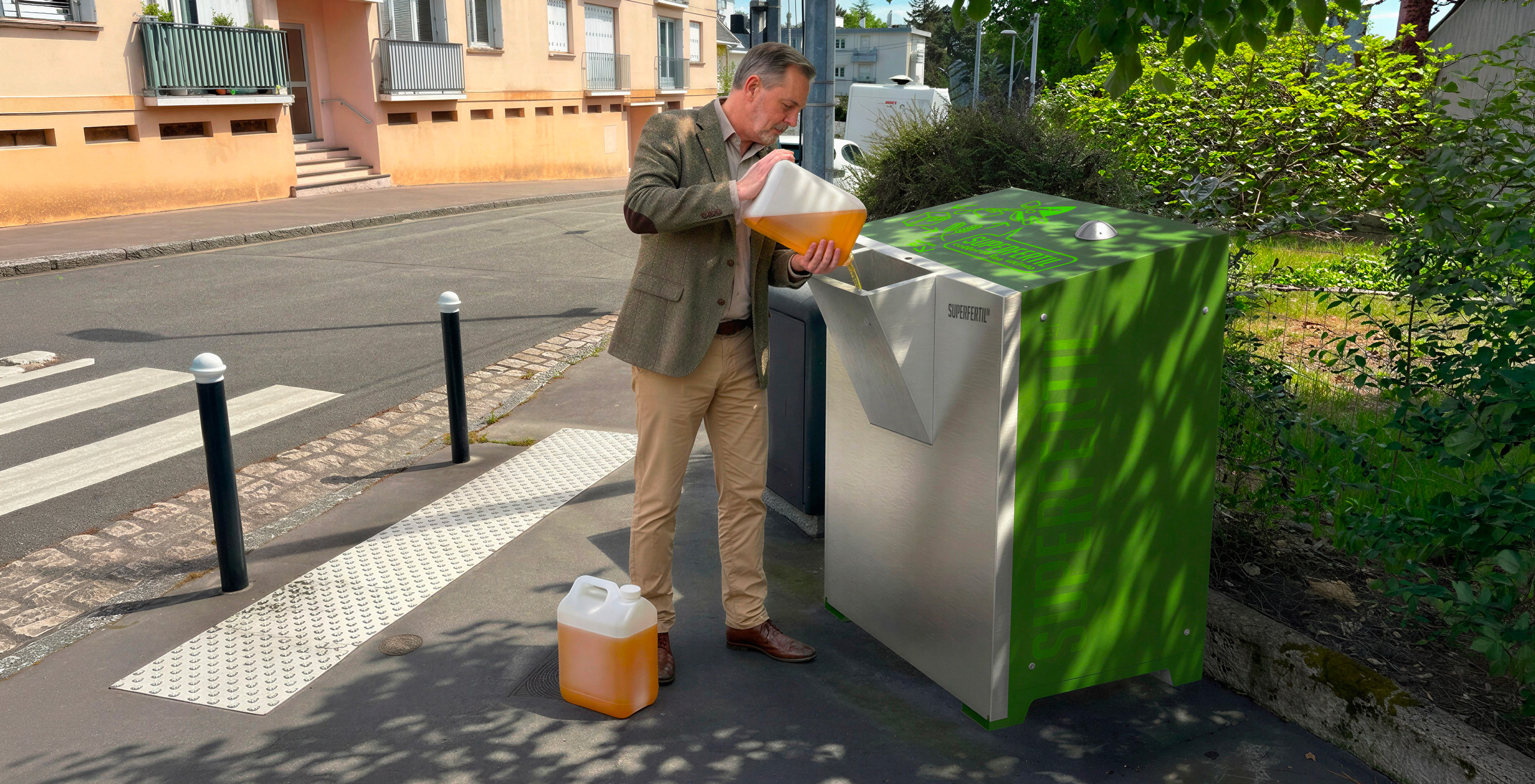
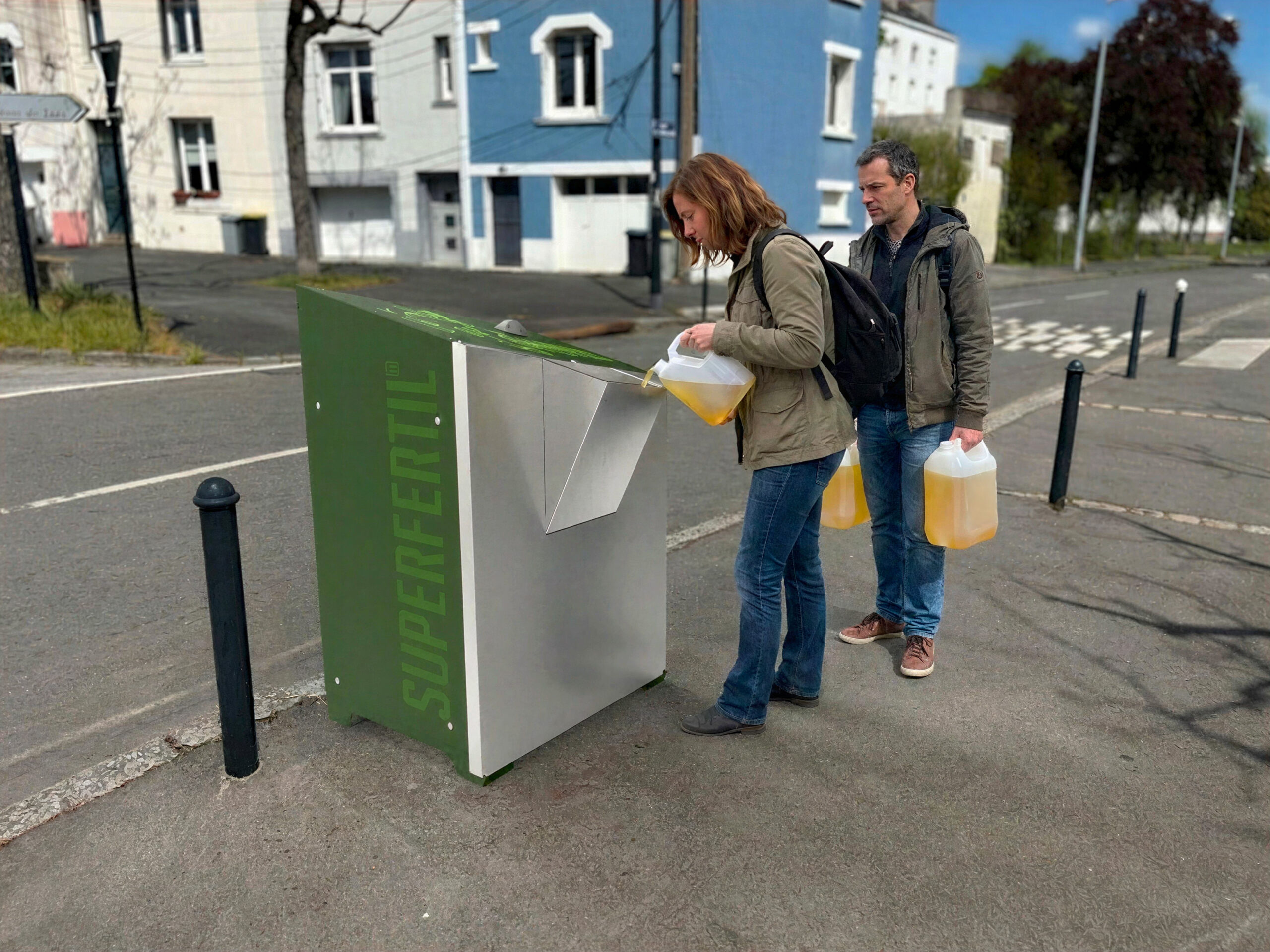
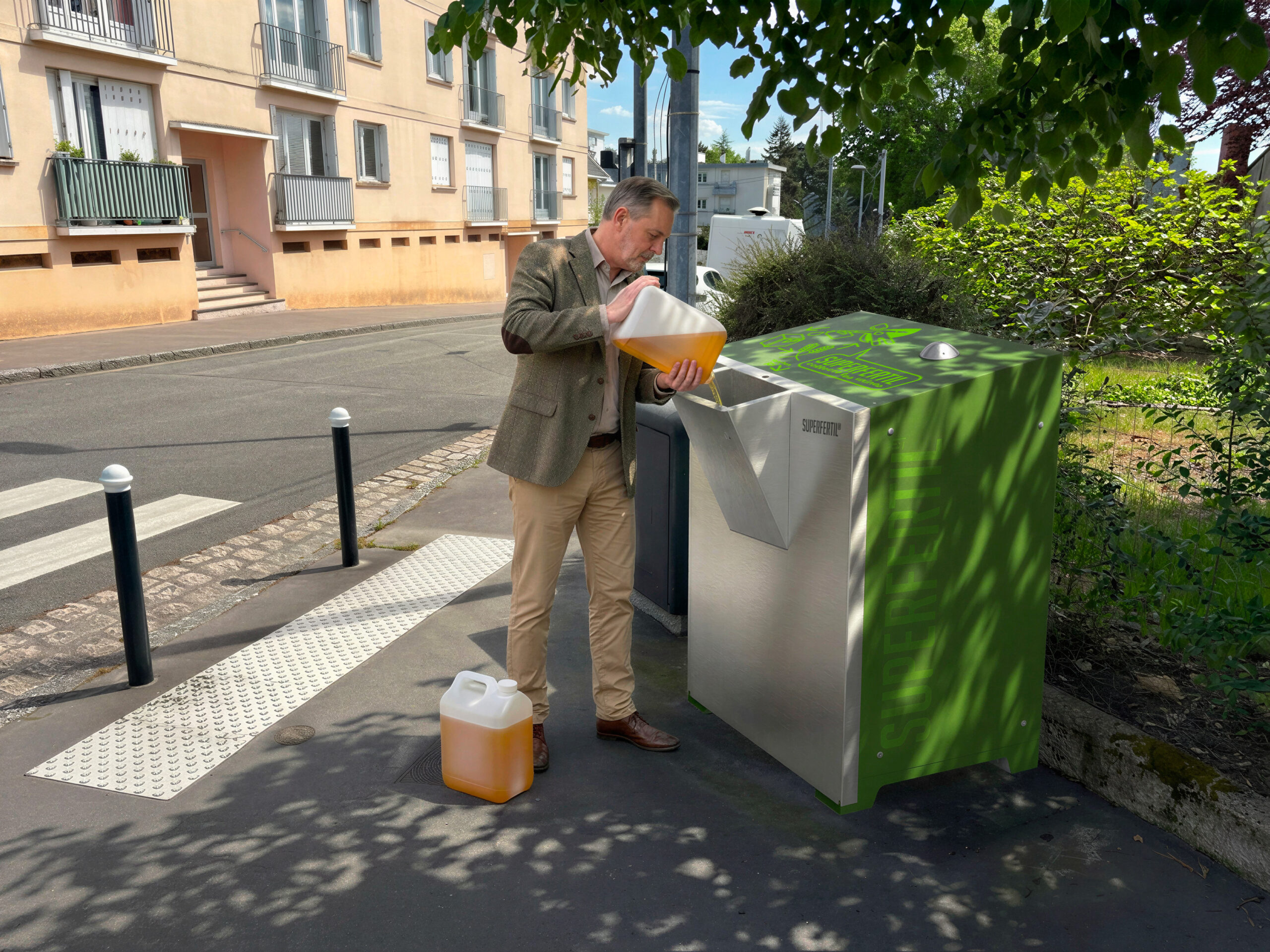
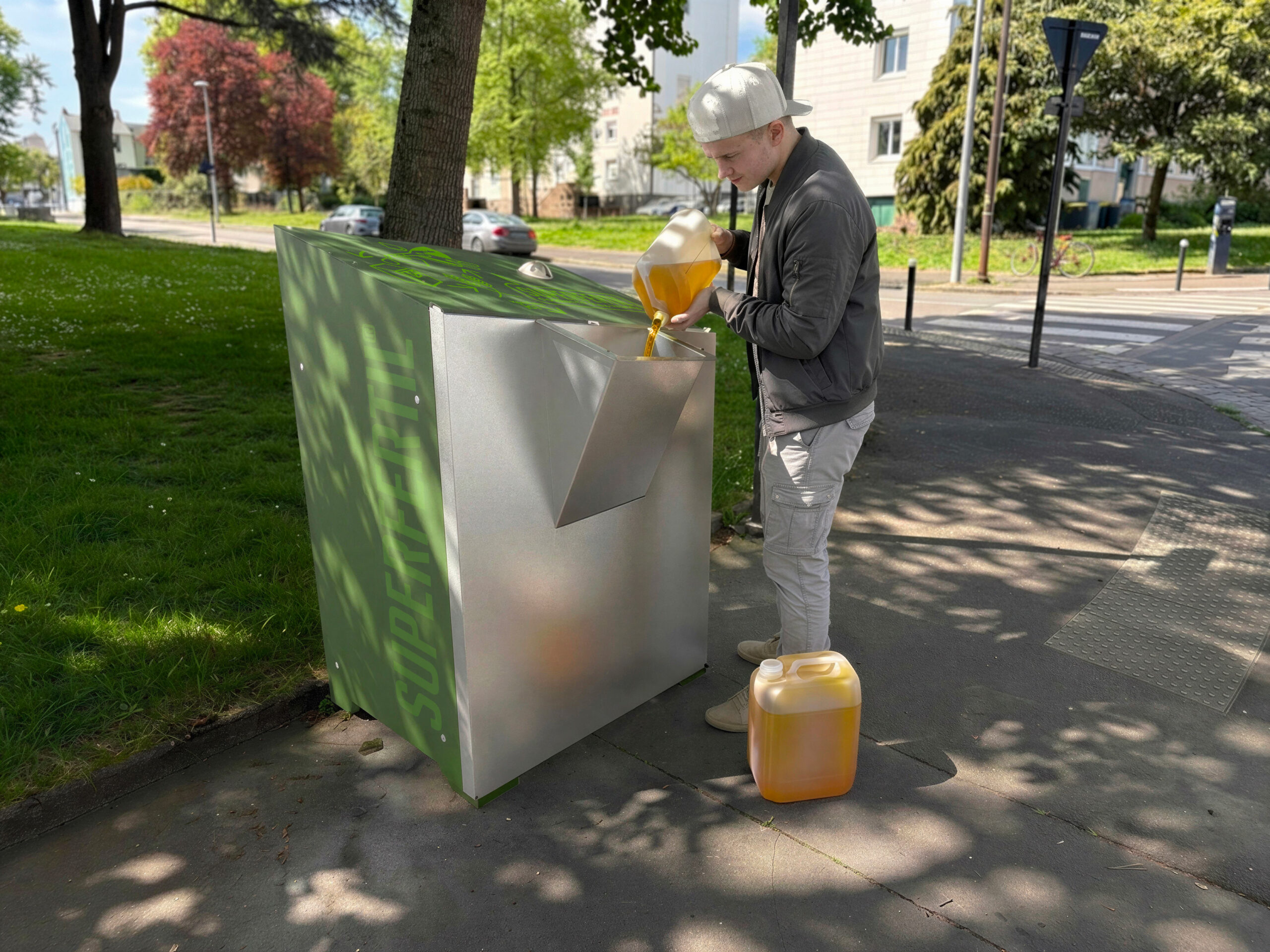
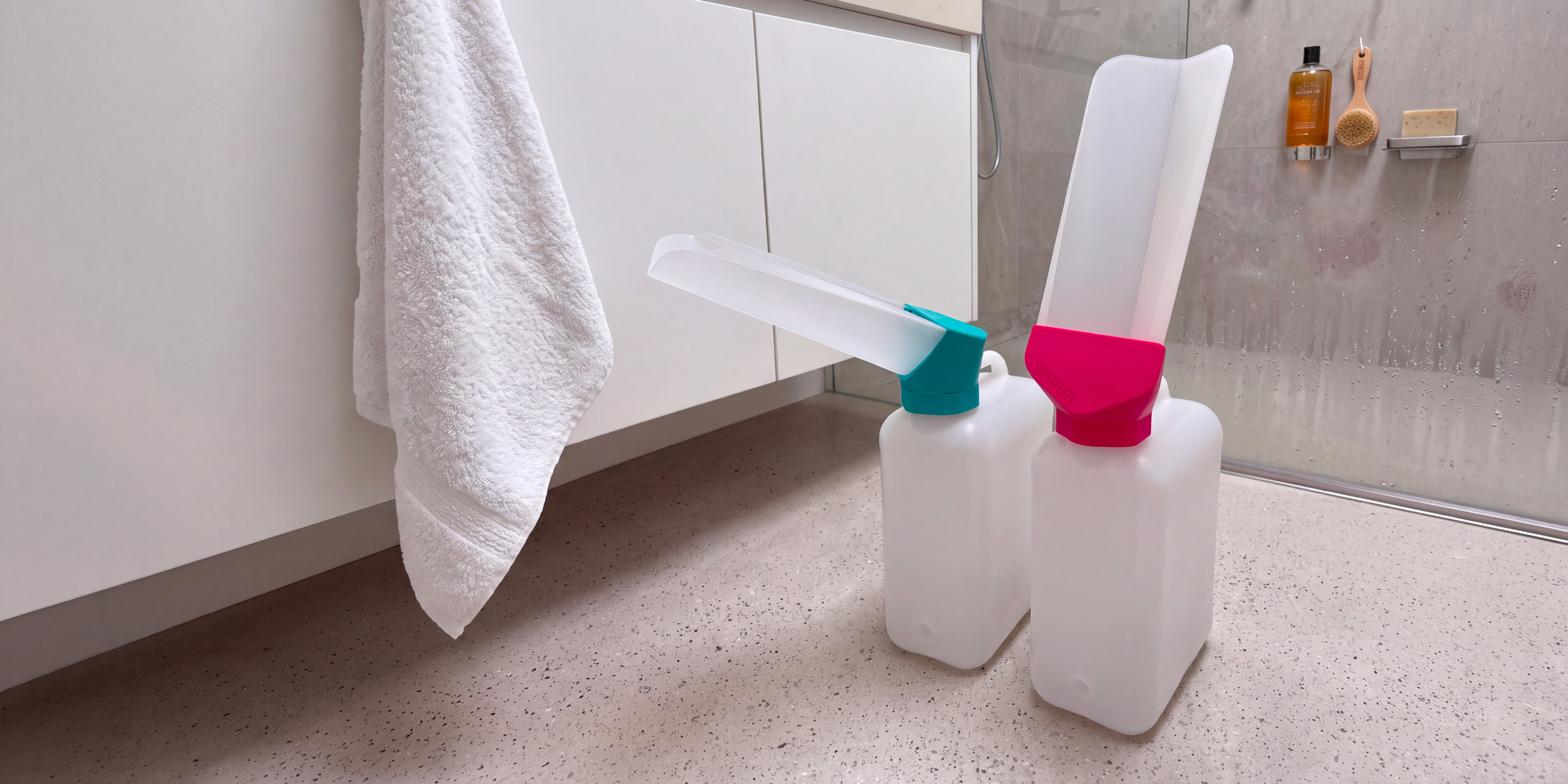
Citadin déposant ses urines dans une borne SUPERFERTIL avec deux bidons de 5 litres en ville

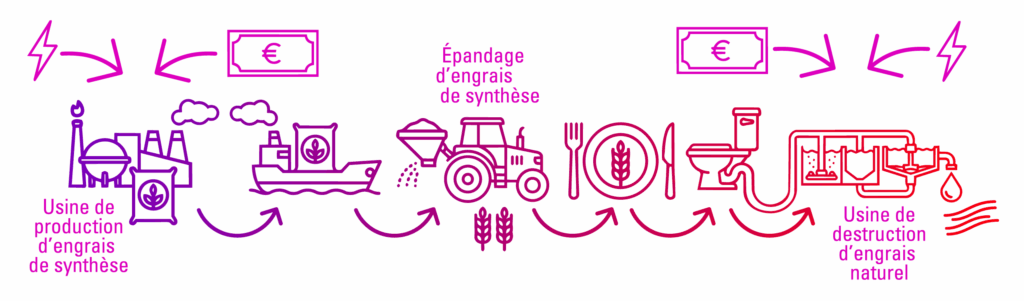
The blockade of the Strait of Hormuz has now laid bare one of the most overlooked vulnerabilities in our food system. A third of the world’s nitrogen fertilisers pass through this 34-kilometre-long corridor. Yet a solution could be found right here in our cities: human urine, rich in nutrients, is a natural fertiliser produced daily, free of charge, by each and every one of us.

Urine: a natural fertiliser that can be collected in urban areas

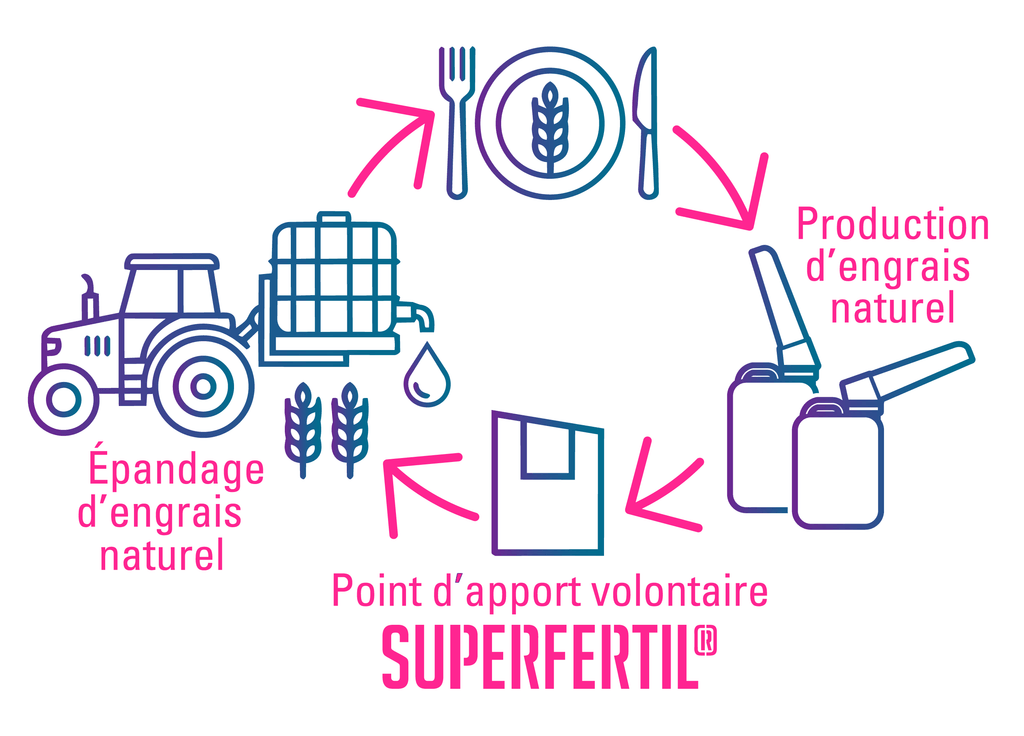
Human urine contains nitrogen and phosphorus in forms that plants can absorb directly – the same essential nutrients found in synthetic fertilisers imported from the Persian Gulf. When stored for a few months, it turns into liquid manure, a natural agricultural fertiliser that is ready for use.

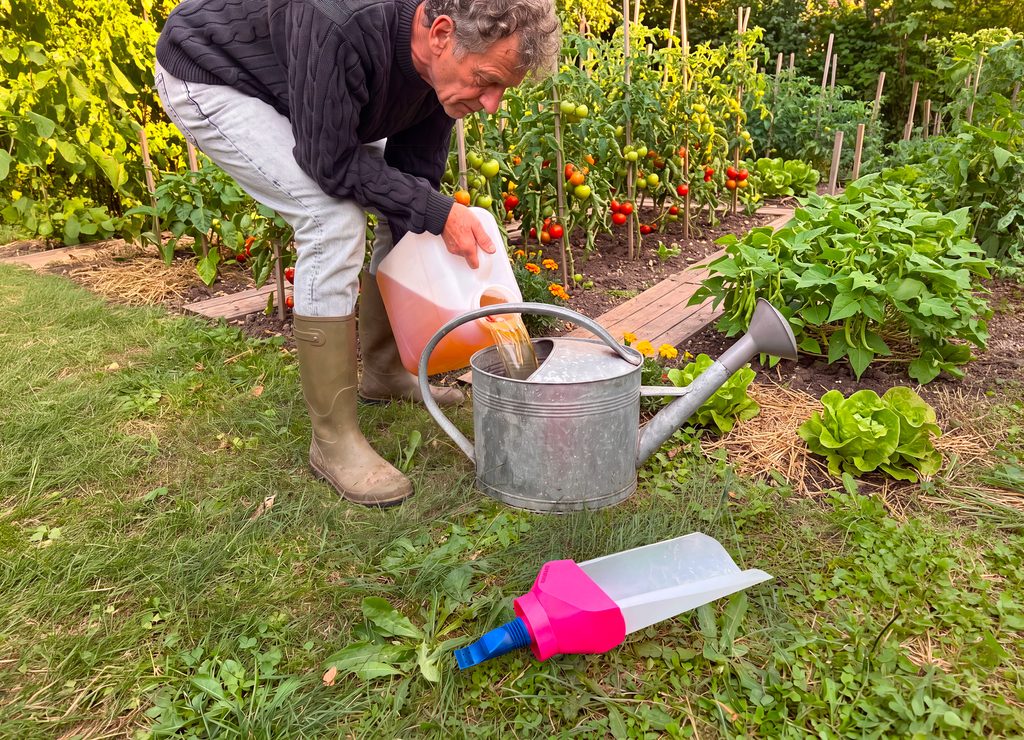
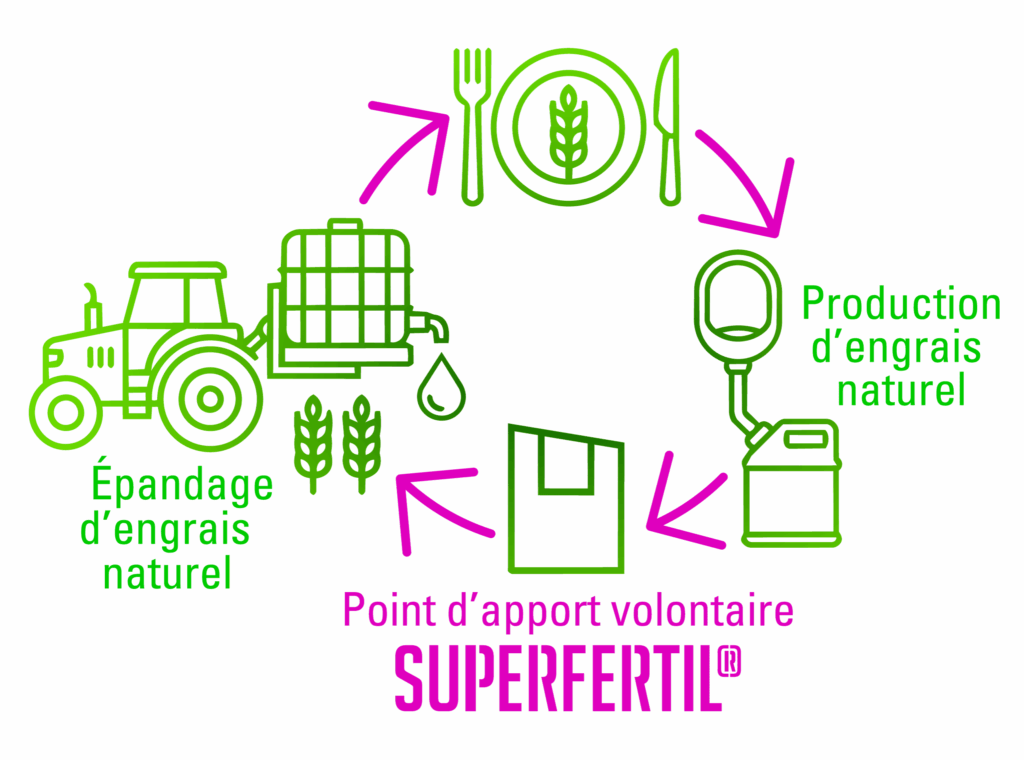
The OCAPI action research programme run by LEESU (École des Ponts ParisTech) has demonstrated this in practice through the EnVille project. Since late 2023 in Châtillon (92), around twenty residents have been dropping off their urine every week at a collection point within their AMAP. The urine collected is then returned to the fields in the form of liquid manure. The nutrient cycle is closed.

The experiment works. The question now is how to scale it up.

SUPERFERTIL: a voluntary urine collection point for the metropolitan area

This is the ambition that Ekovore wishes to pursue by offering SUPERFERTIL, a urine collection station designed to be deployed on a territorial scale.

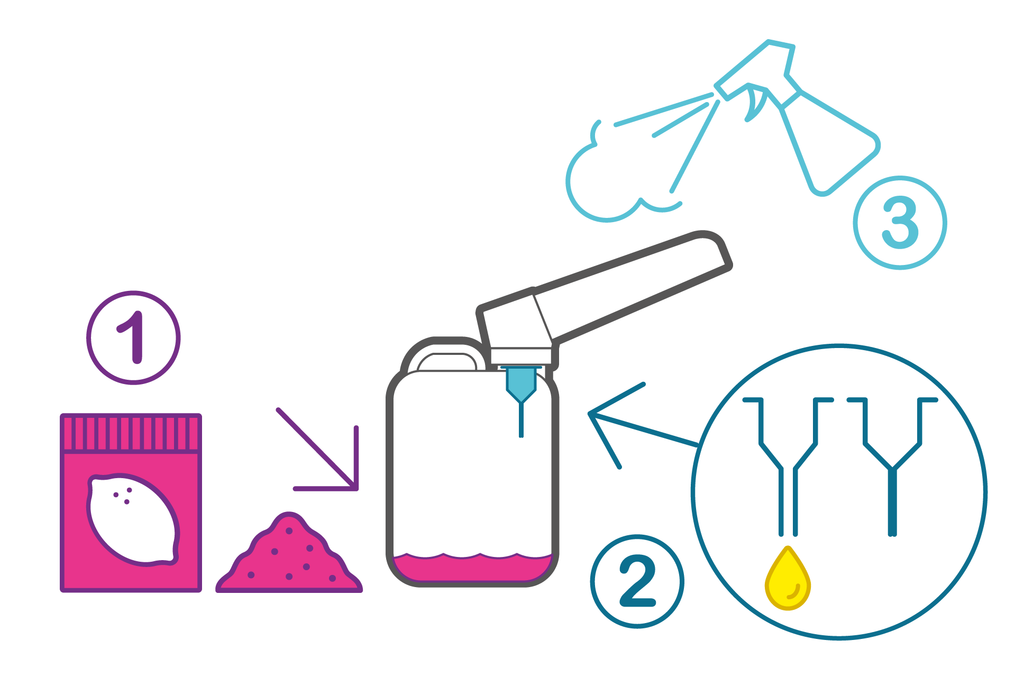
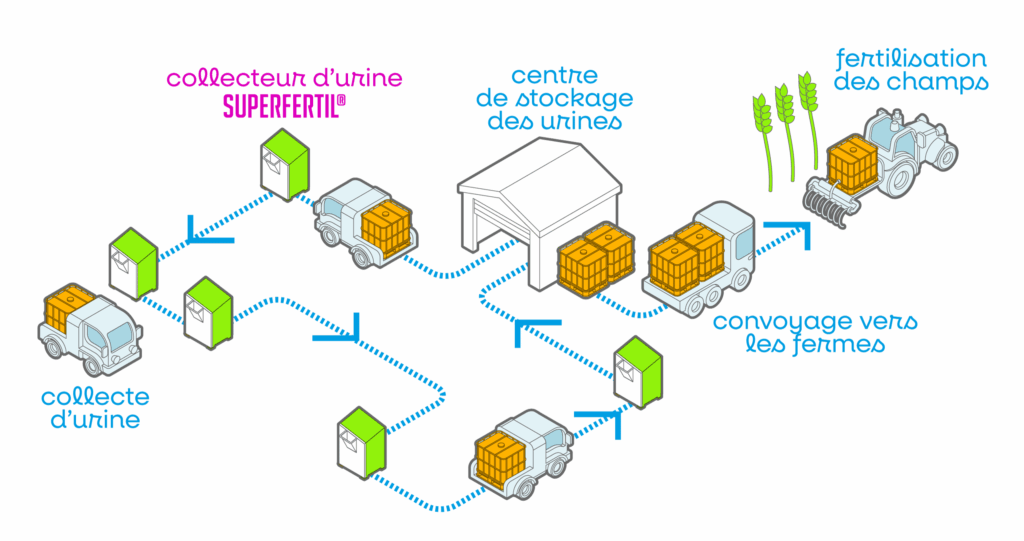
Designed by the Faltazi studio, SUPERFERTIL is installed in public spaces as a voluntary drop-off point, similar to the bio-waste containers already present in our streets. Residents deposit their urine collected at home there, in a simple and accessible way for everyone.

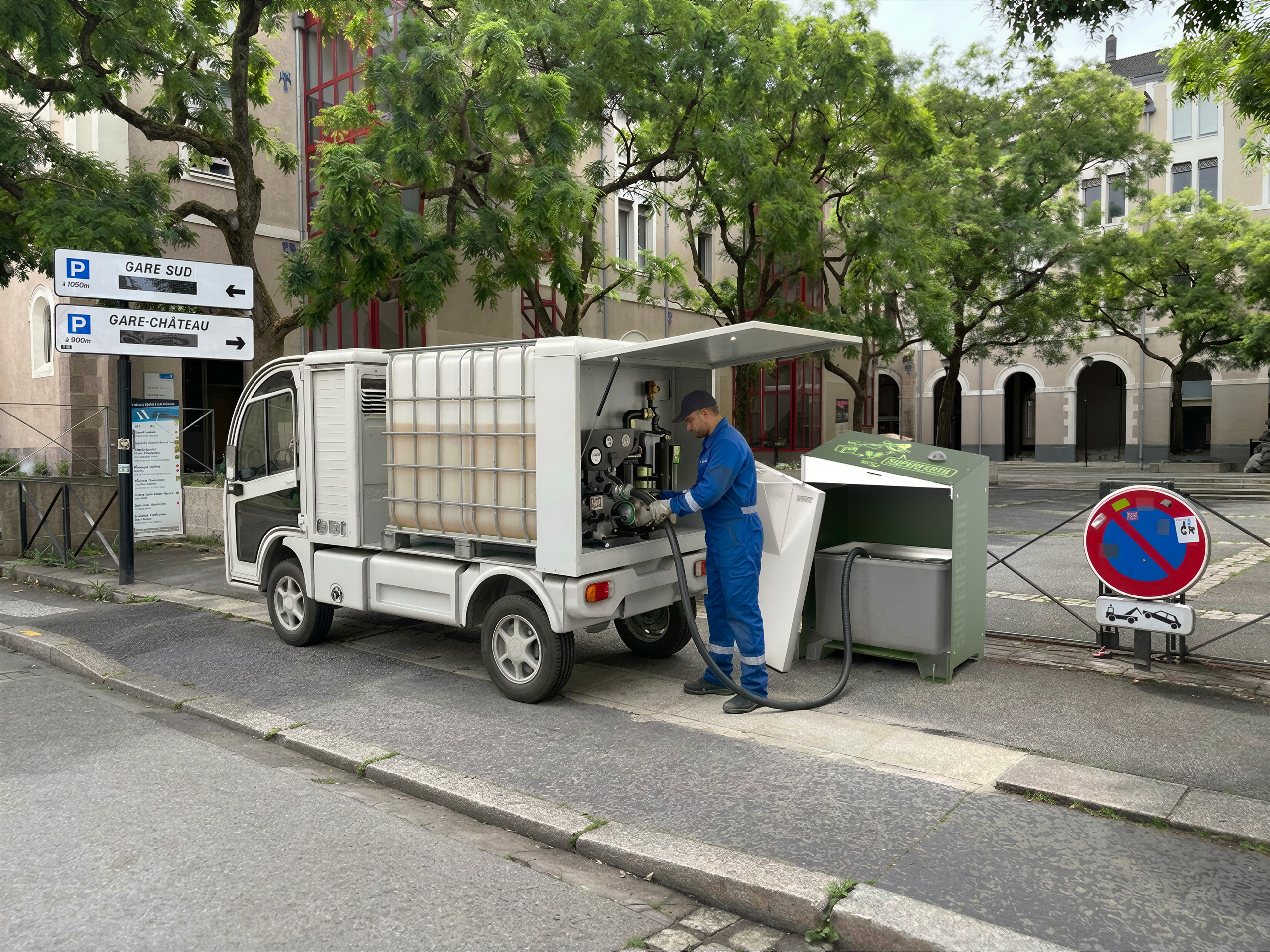
The objective: to build local agricultural valorization channels for urine on a metropolitan scale, relying on existing collection logistics of septic tank emptying companies and on specialized service providers to transport the collected volumes to partner farms.

From the waterless urinal to the voluntary drop-off point

SUPERFERTIL is part of a broader initiative led by Ekovore focused on the ecological management of urine in urban environments. Our waterless, eco-friendly urinals already allow for urine collection at the source in public spaces, without water consumption. SUPERFERTIL complements this approach by offering citizen-led collection and application to fields.

Two pieces of equipment, one same logic: no longer treat urine as waste, but as a resource.

Produce locally what we import from the other side of the world

The nitrogen fertilizer we currently import from the Persian Gulf can be produced locally, organically, and collectively. SUPERFERTIL is not just an urban amenity; it’s a proposal for food sovereignty at the neighborhood level.

So? Shall we fill the jerrycans?

Posted on Leave a comment

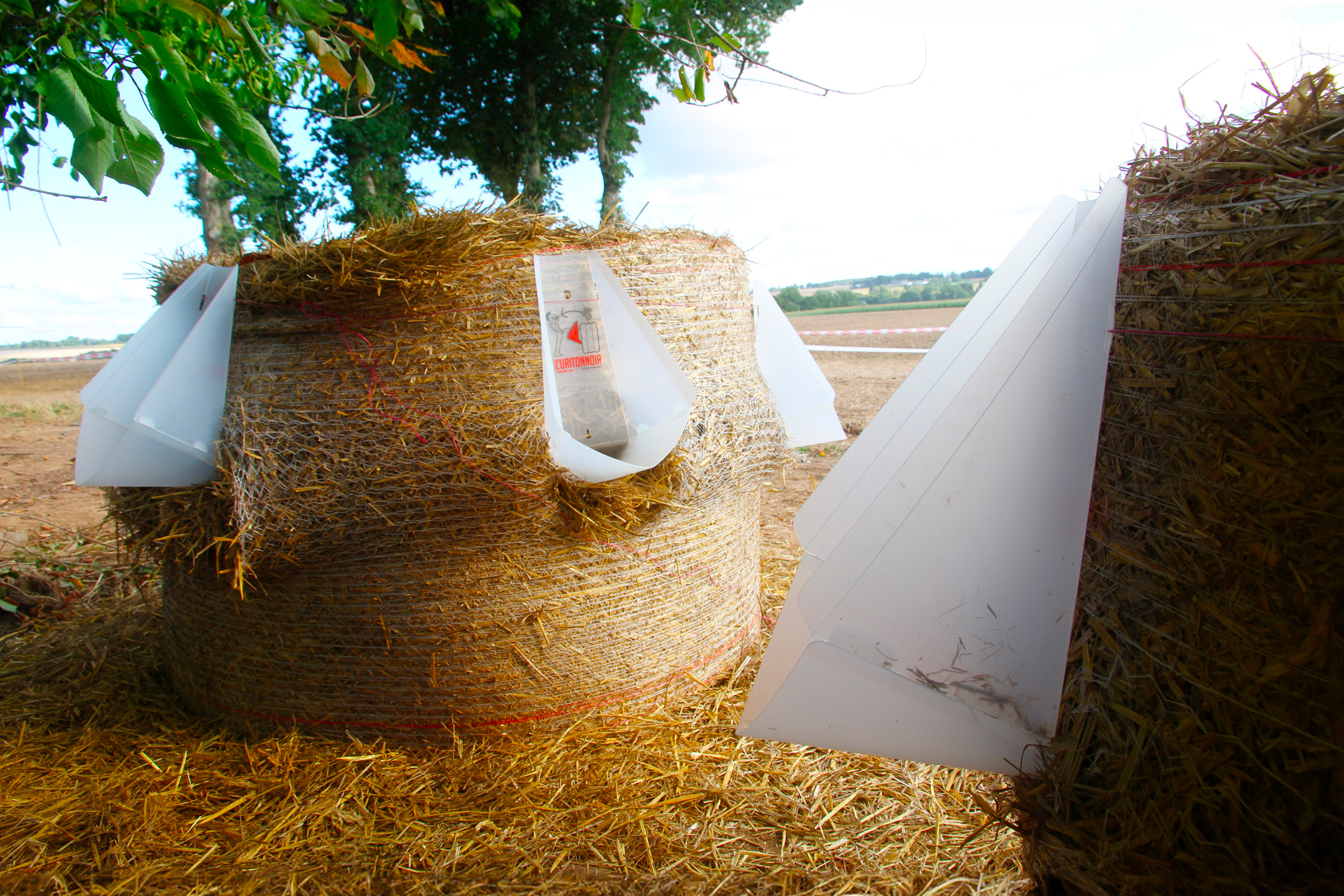
L’URITONNOIR | Clever urinal

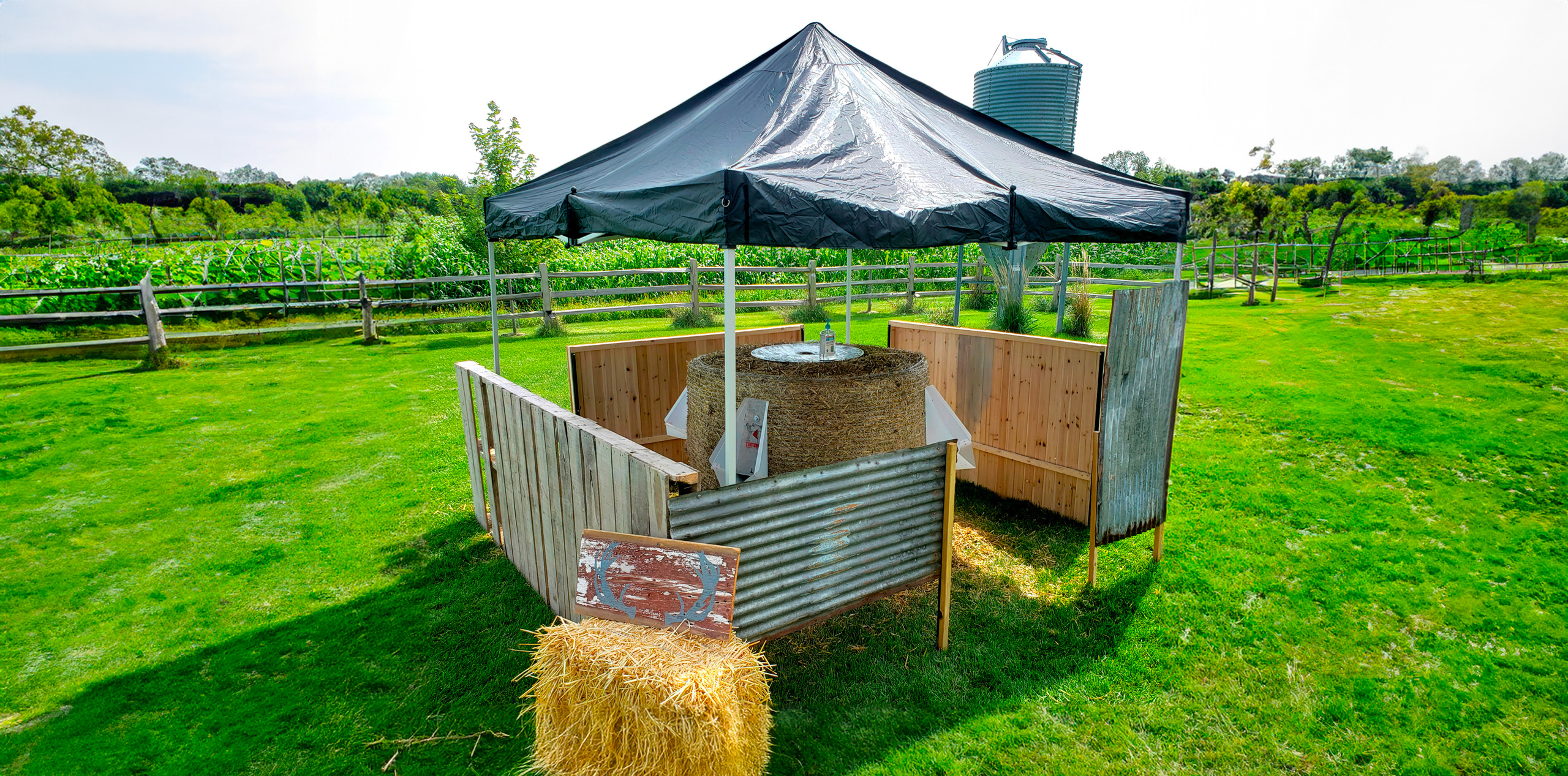
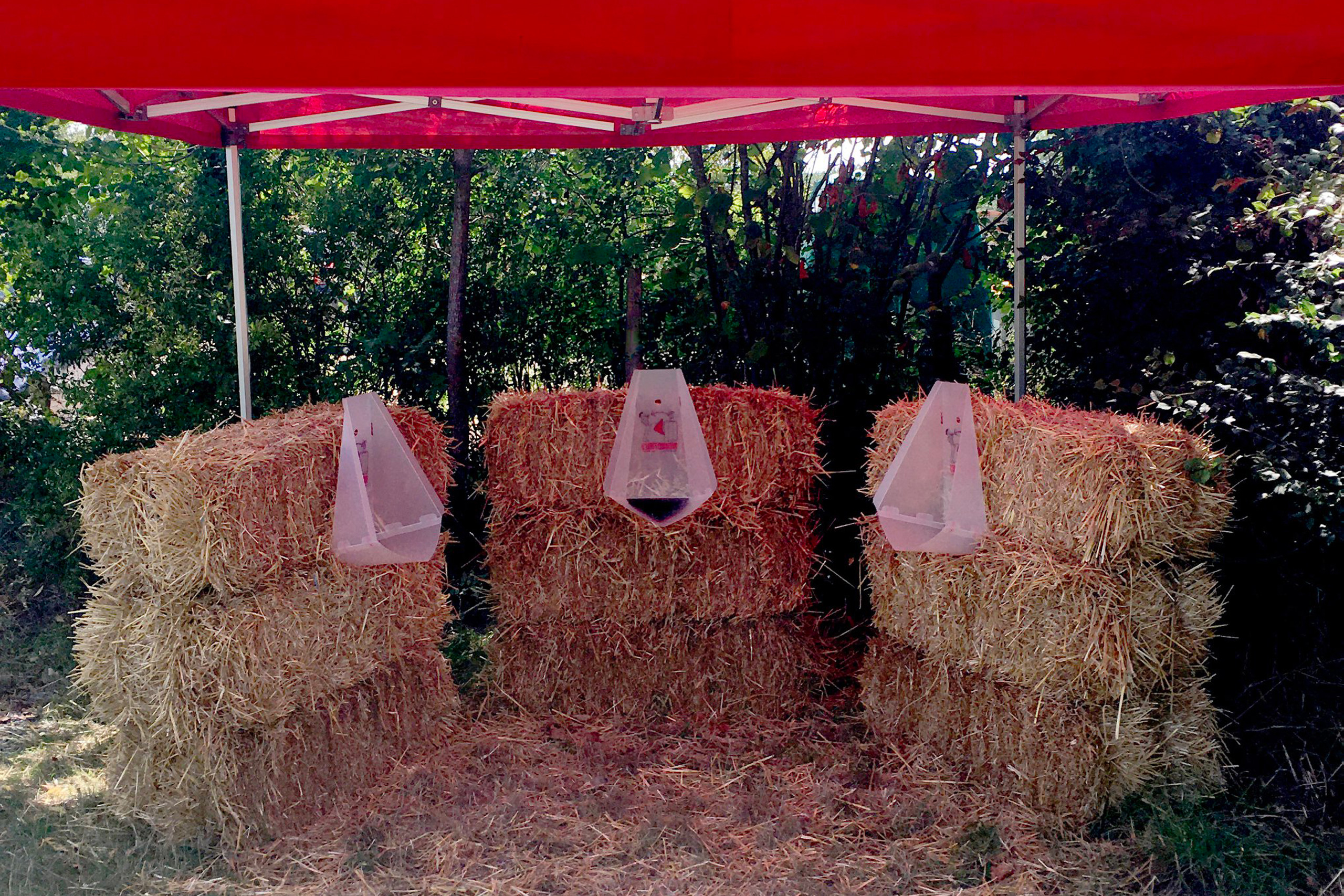
Uritonnoirs installés aux USA avec pare-vues et sous une tente

URINE is a captivating subject!
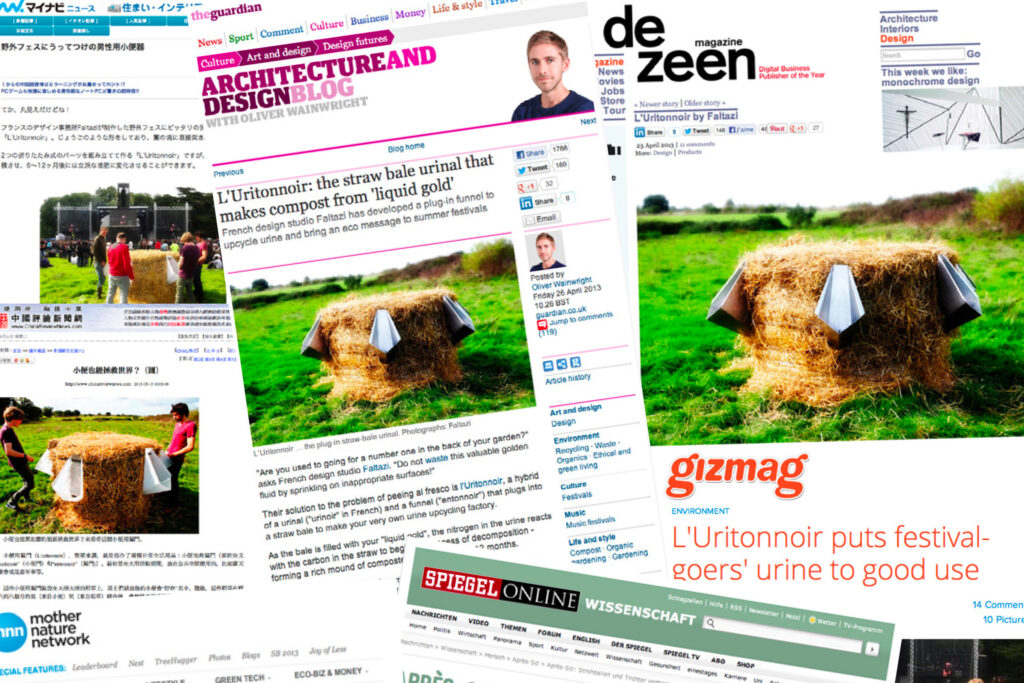
When the uritonnoir was launched, we had a great article in the GUARDIAN.
“L’Uritonnoir: the straw bale urinal that makes compost from ‘liquid gold'”.

Let’s support it as best we can by carefully preparing two essential aids to understanding it:

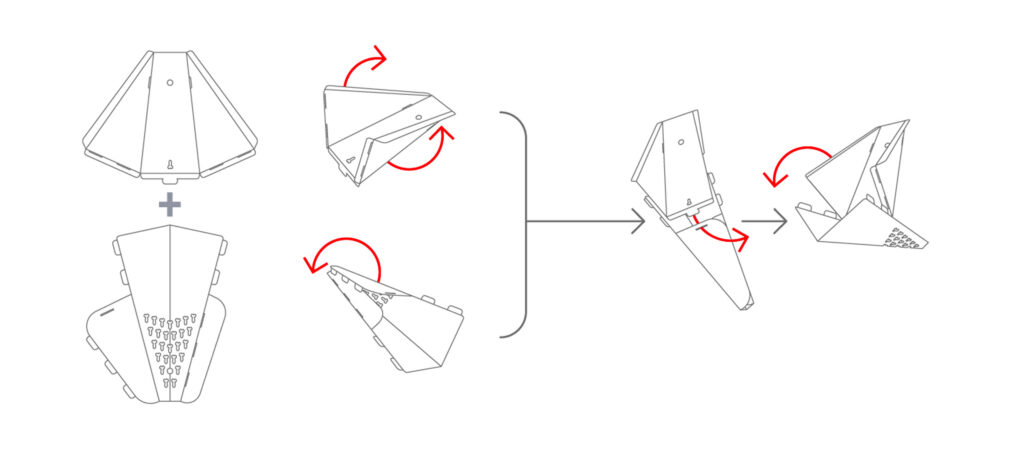
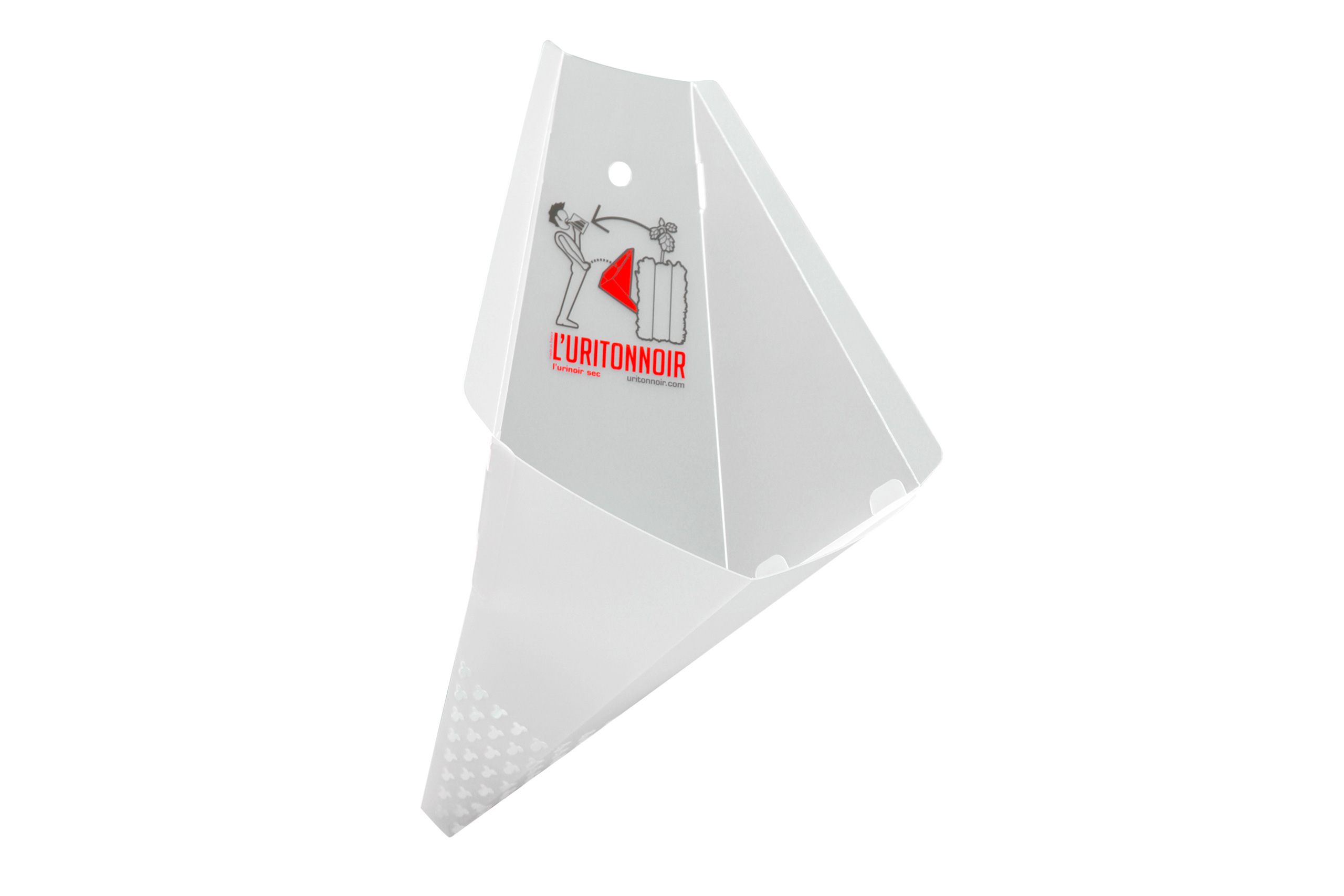
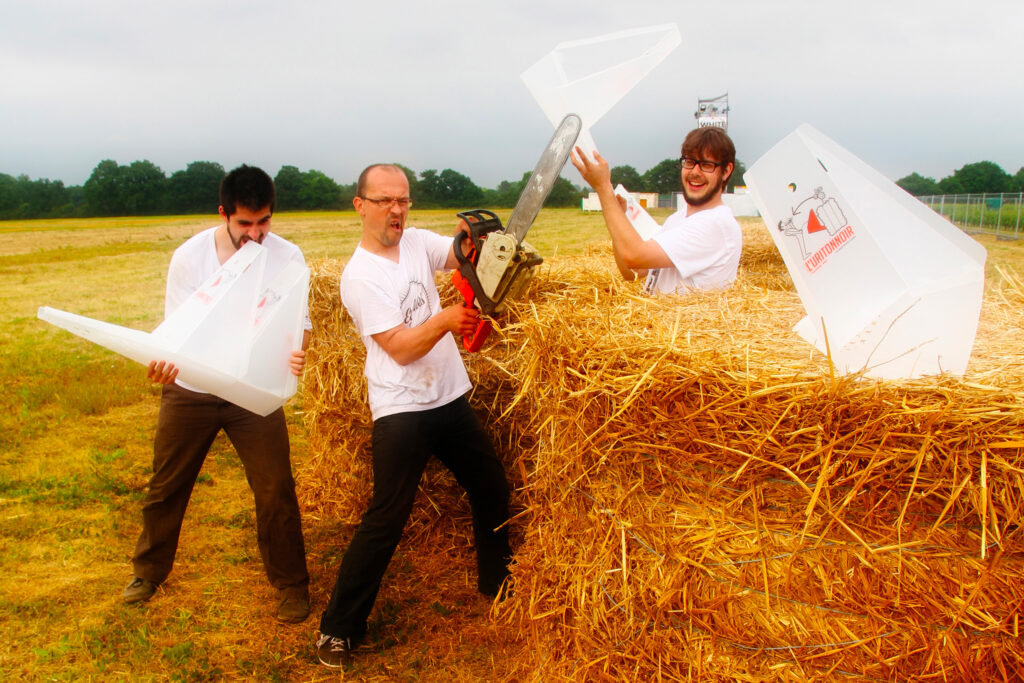
💪 an assembly guide | just a reminder: the object is shipped flat-packed and requires two parts to be assembled once delivered. Tutorial available online!

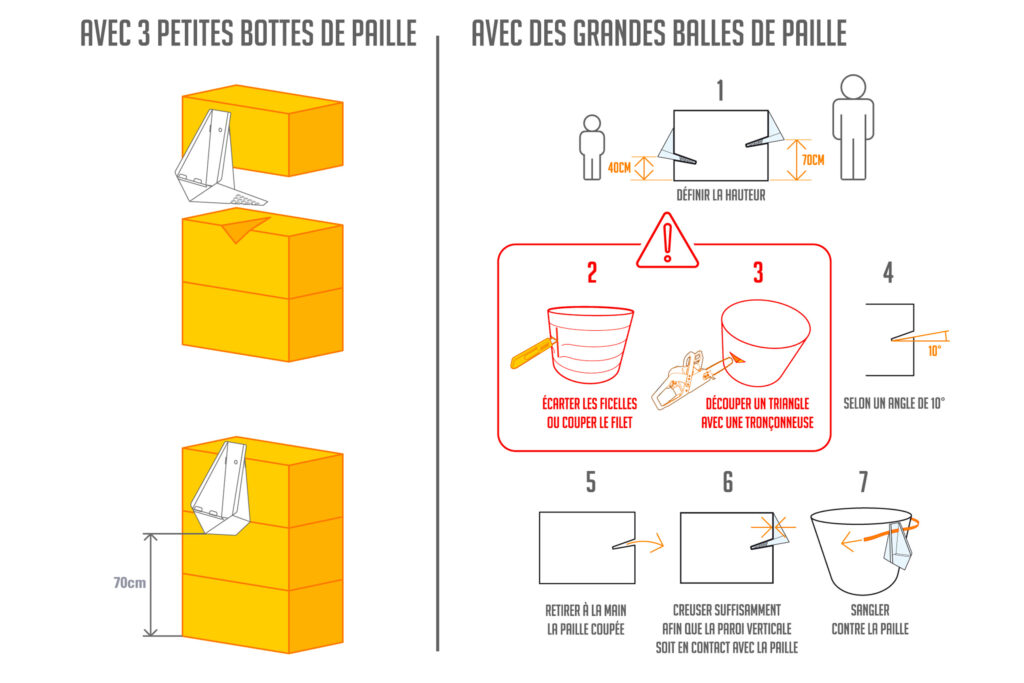
💪 an instruction manual to help you understand the message conveyed by this new, somewhat exotic tool: combining straw+urine (carbon+nitrogen) to generate manure (human dung). It should be pointed out that it is made from UV- and FROST-resistant material and can therefore be kept outdoors. It is also washable and can be stacked for easy storage.

Now it’s time to take a closer look at the countries it’s being used in and the contexts in which it’s being used.

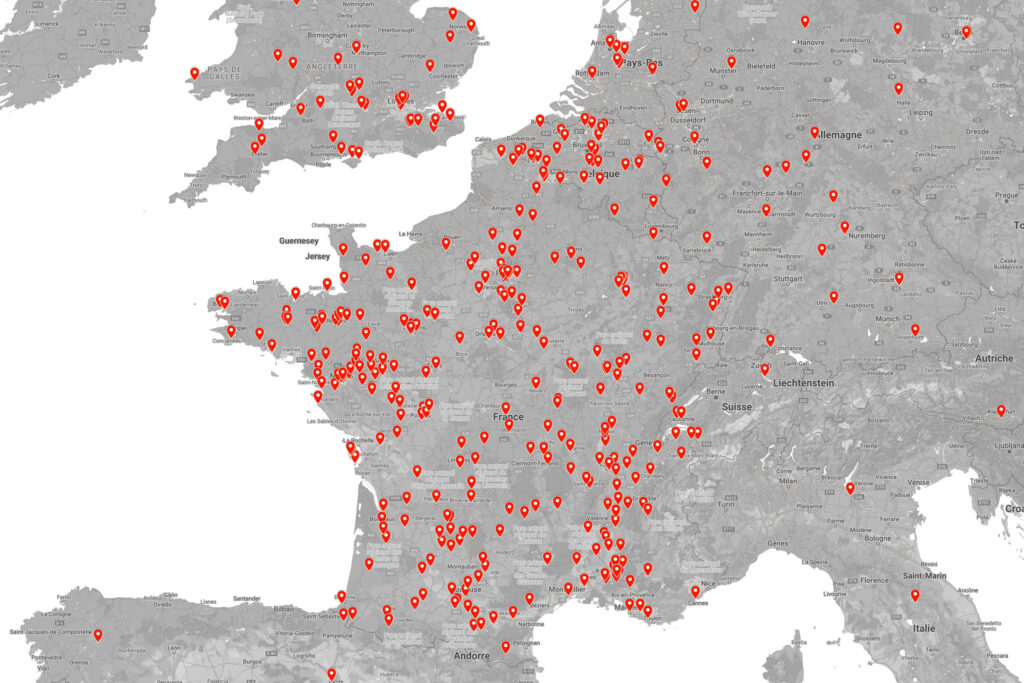
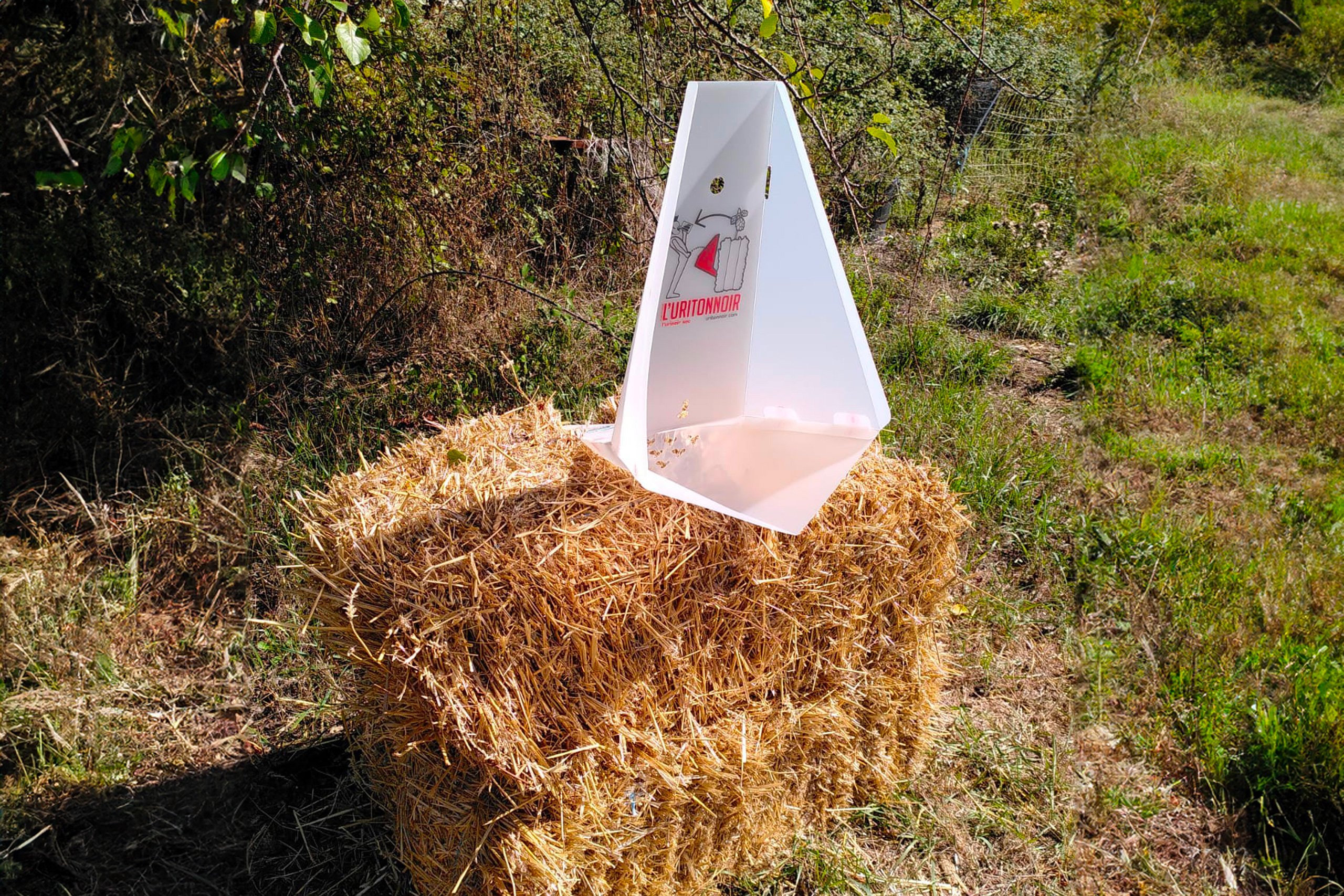
First observation | The uritonnoir is very popular in Europe, especially in Northern Europe.
Hypothesis: beer country… mystery…

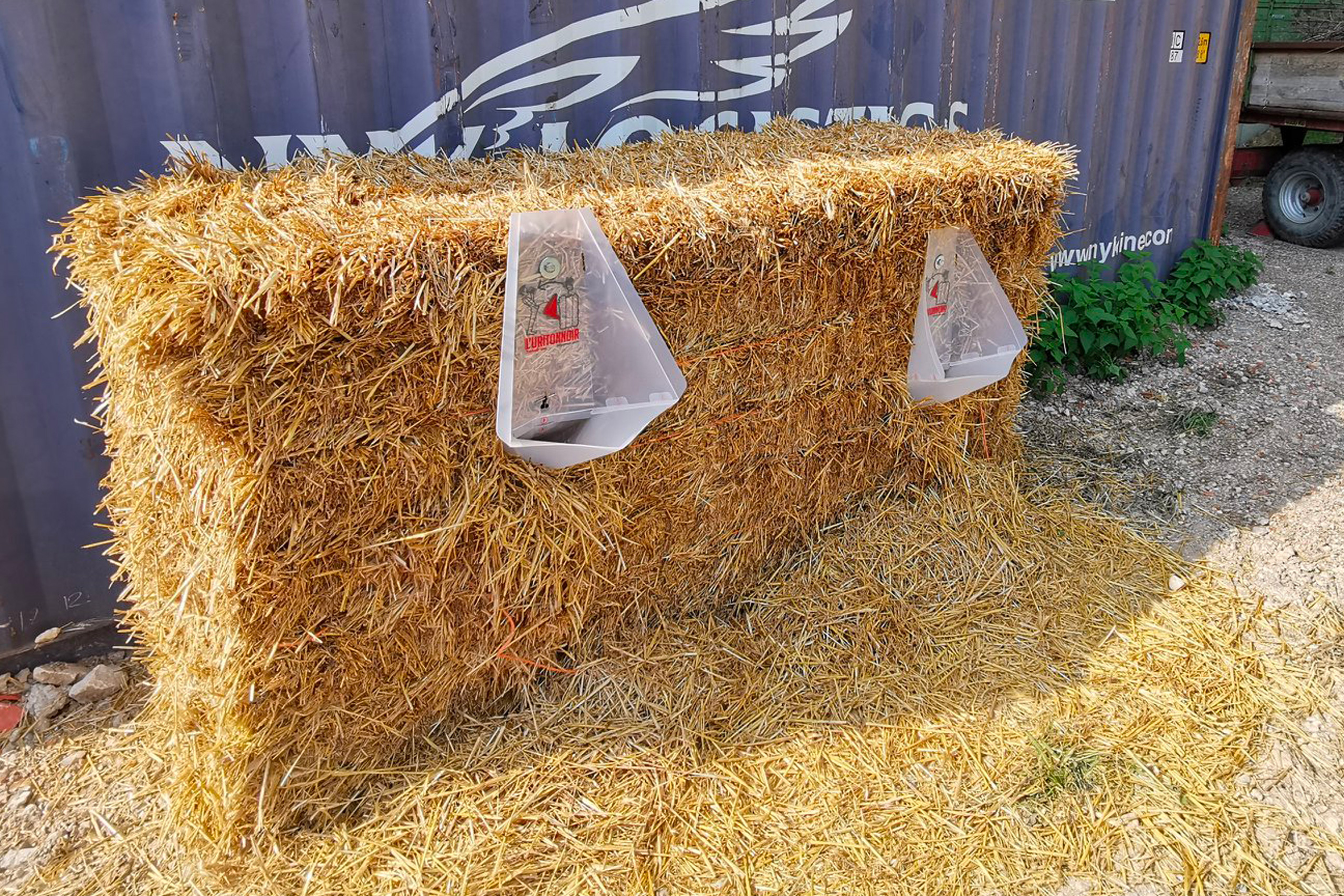
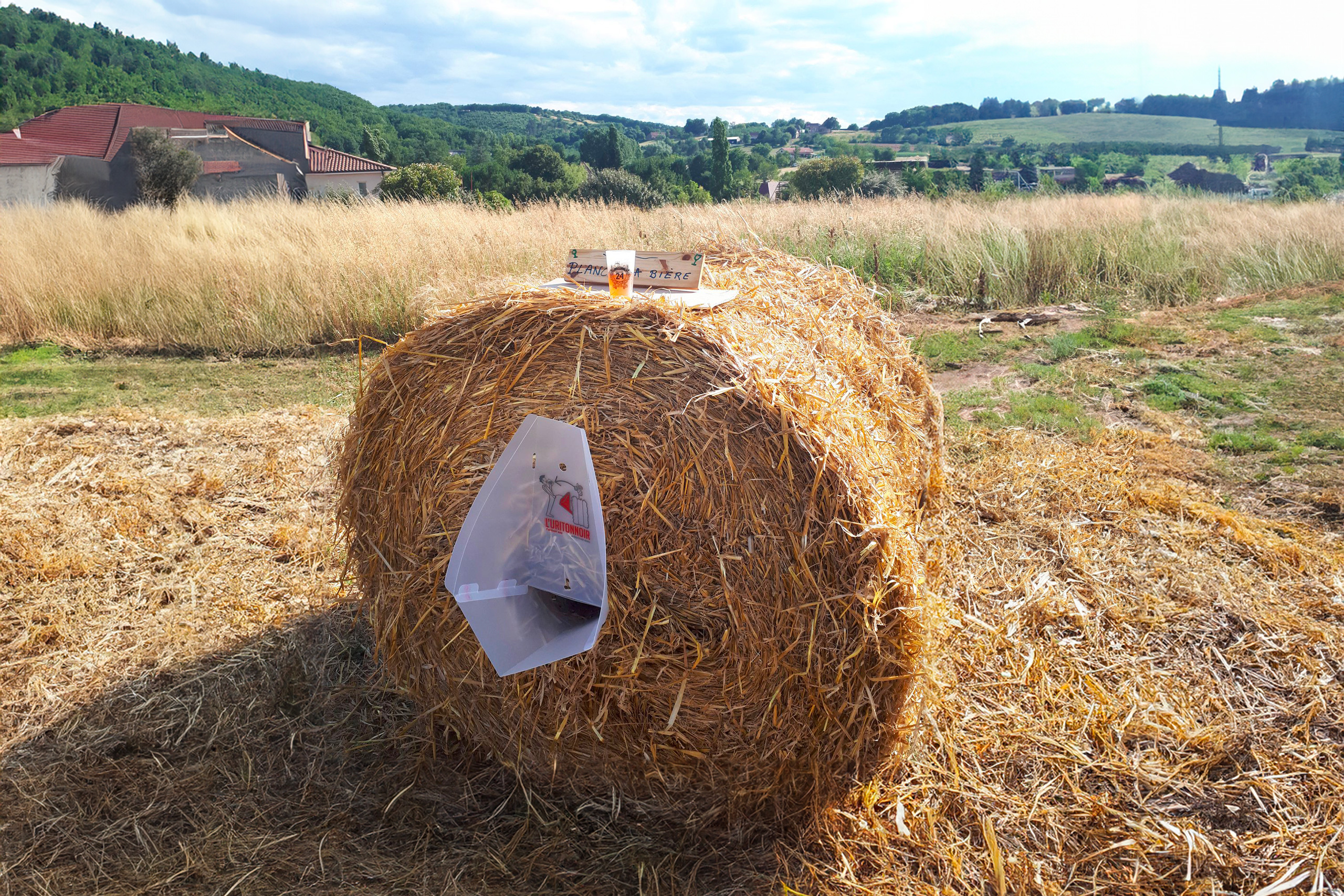
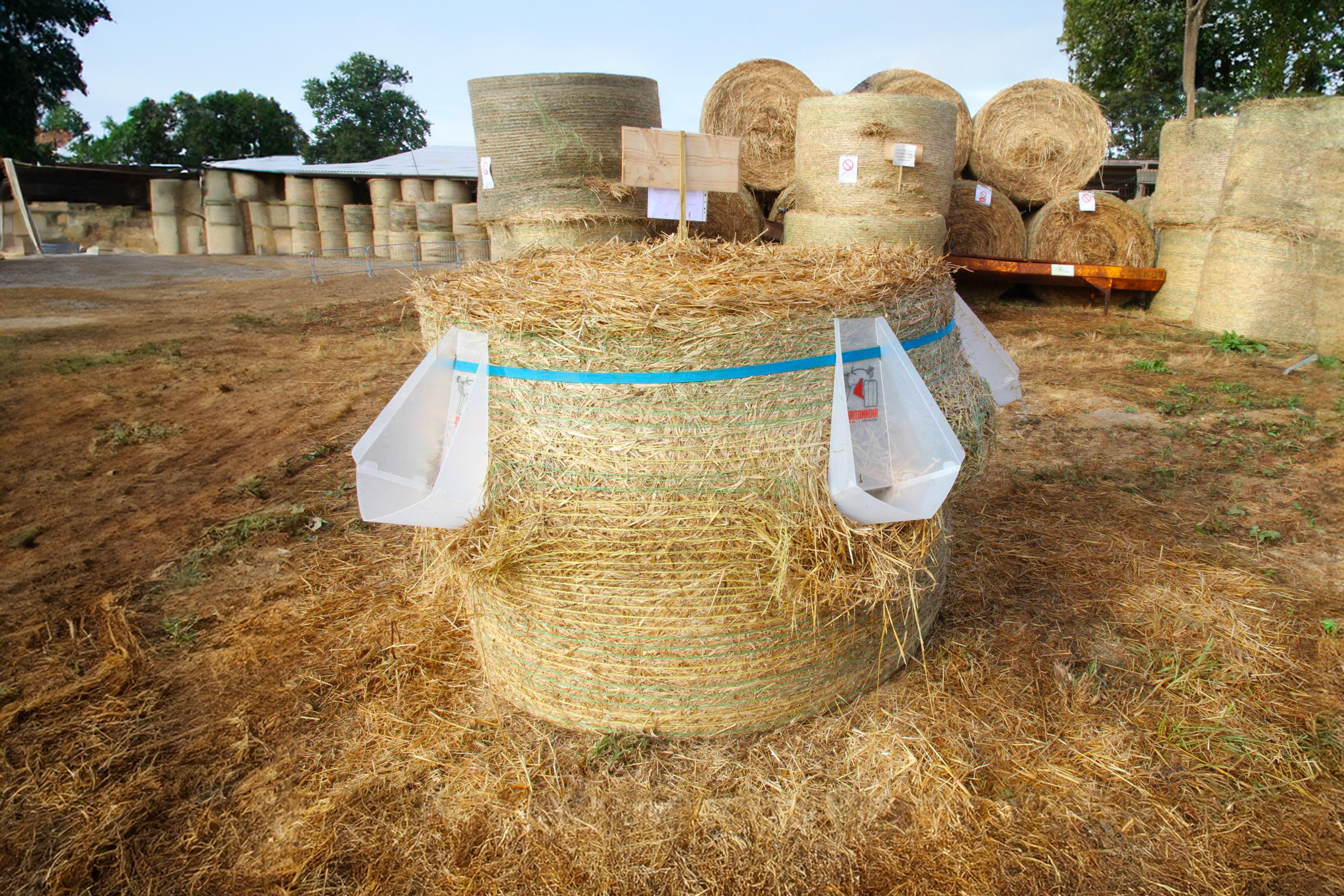
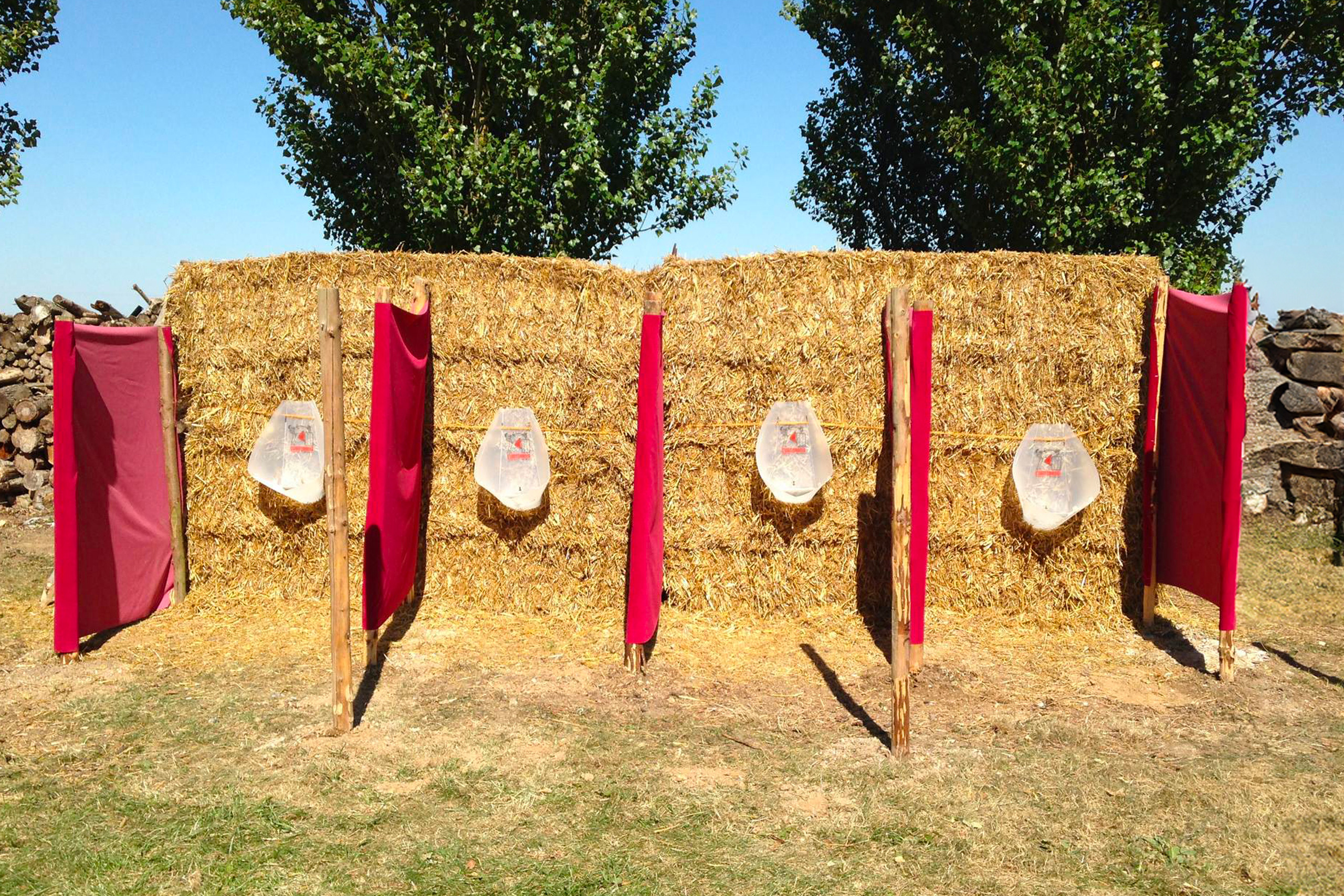
Second observation | The photos received illustrate the diversity of installation methods in terms of :

👉 modesty, by cleverly arranging straw bales together

👉 audience diversity, by managing the height for children, adding privacy screens for women who want to use it with a pisser-debout

👉 accessorising, litter bins, beer racks, etc.
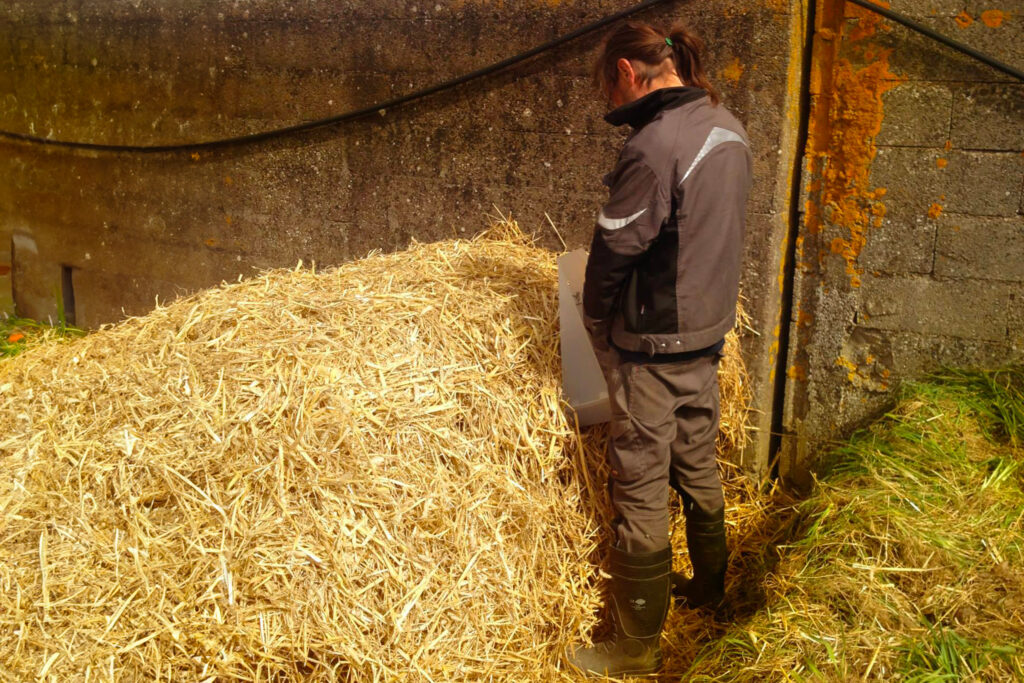
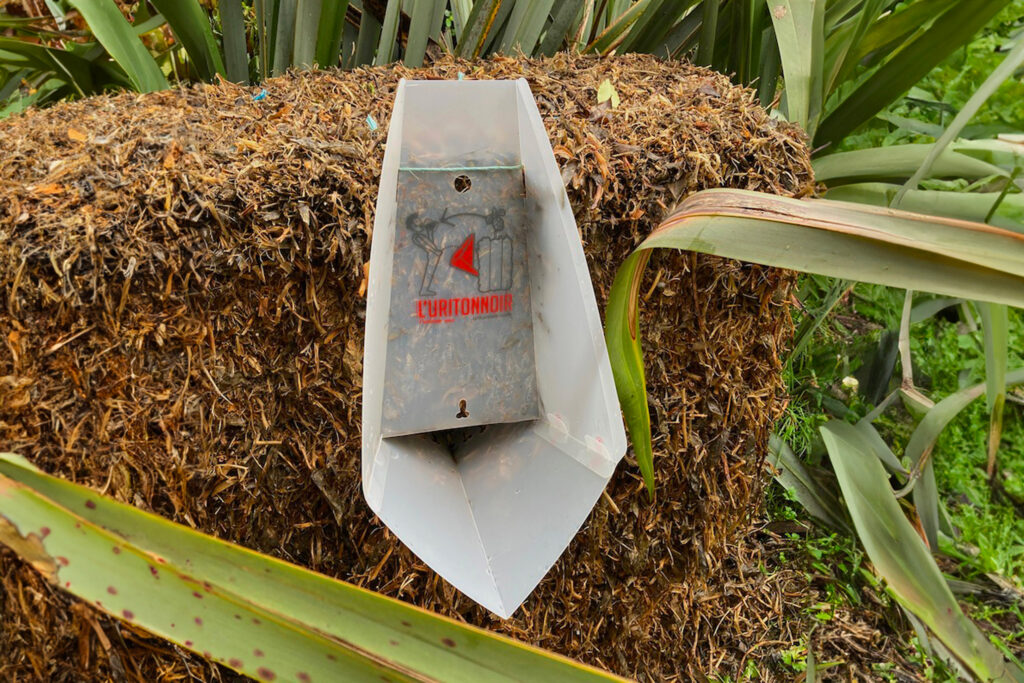
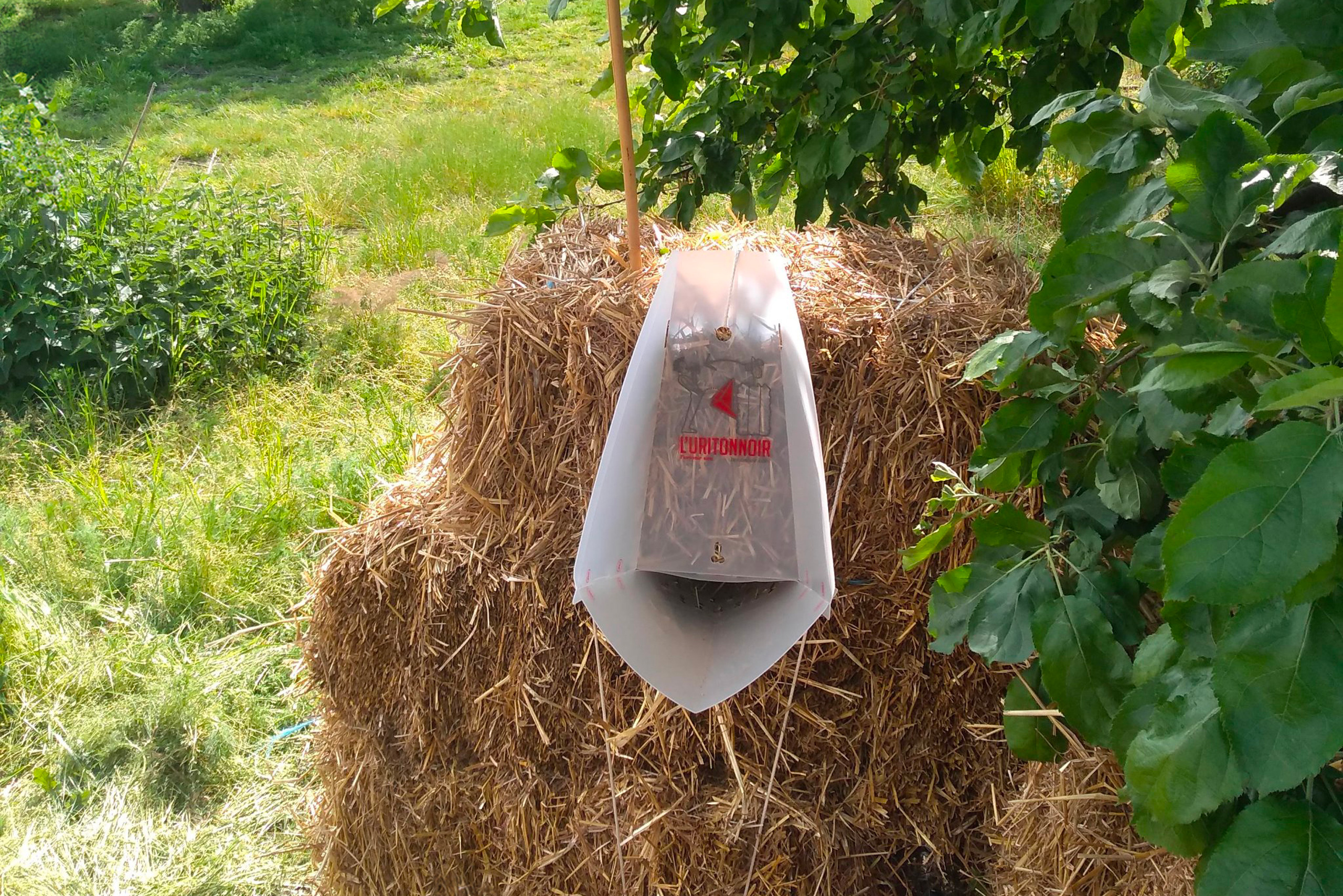
👉 diversion of use, by using it directly planted in windrows of COMPOST 🪱 to activate its transformation for free

Third observation | The dry material used to plant the uritonnoir also varies according to local availability:

👉 some prefer our recommendation, STRAW, a waste product from cereal crops and perfectly suited to this use. 20€ per 300 kg straw bale.
👉 others install them in hay when they have plenty of it. Less relevant, since hay is primarily a livestock feed and its price can be five times that of straw. On the plus side, hay is much more absorbent than straw!
👉 And at the other end of the planet, in New Zealand, the mystery remains. We’ve never been able to identify the plant fibre used in the bales.

After more than ten years in existence, the URITONNOIR remains the :
👉 the lightest (only 400 grams)
👉 and the cheapest on the market! 💥

Posted on Leave a comment

L’uritonnoir | The TEST

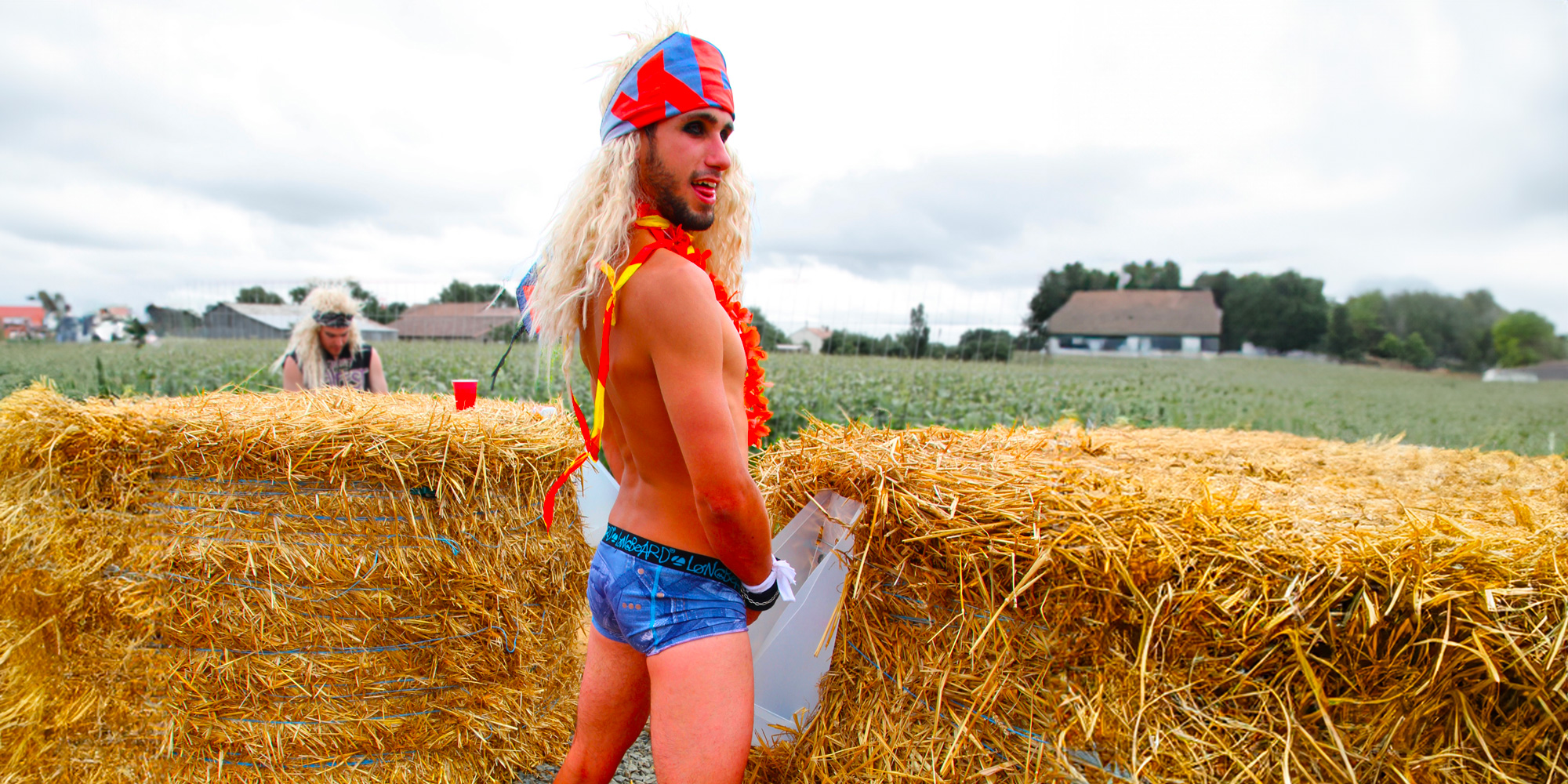
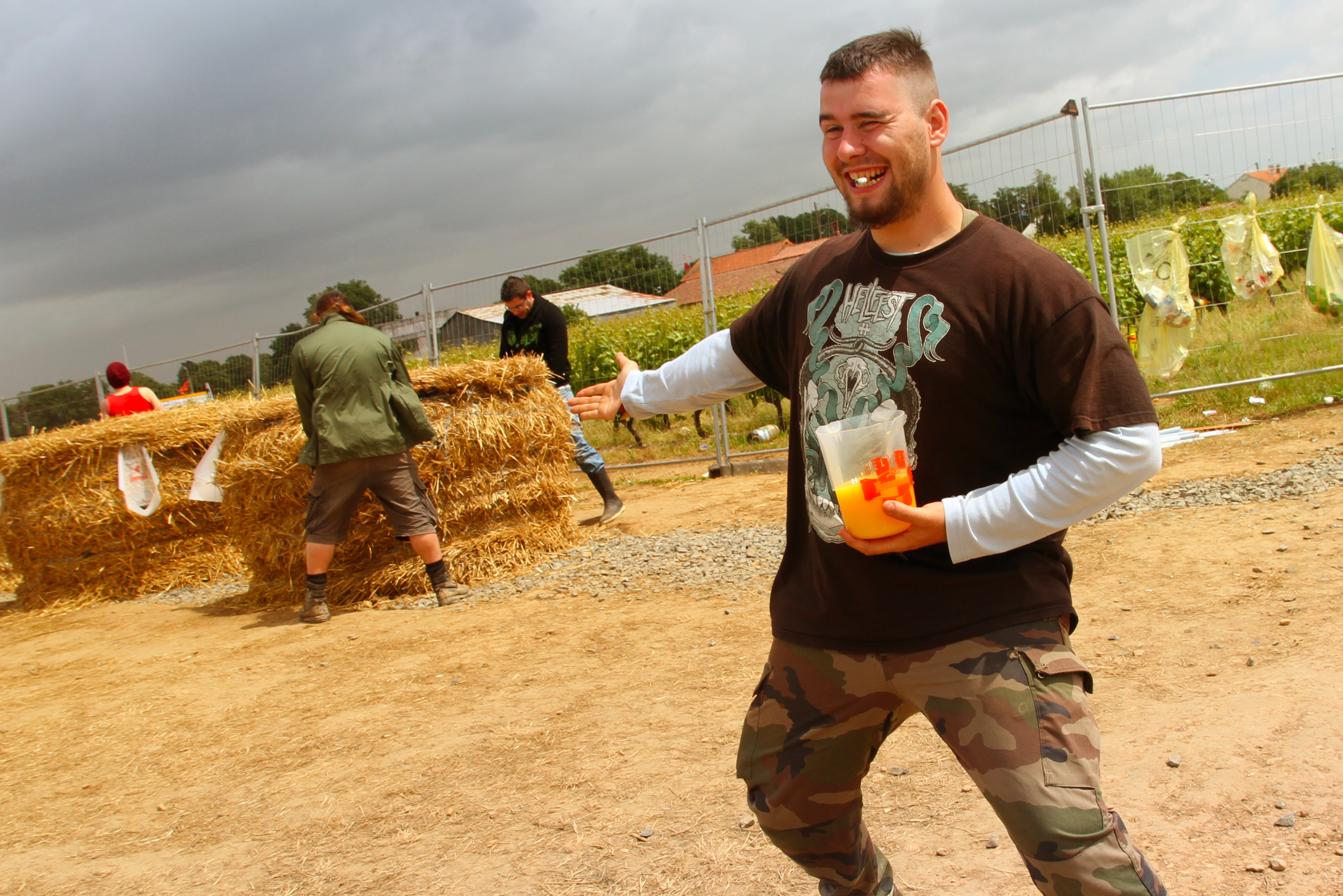
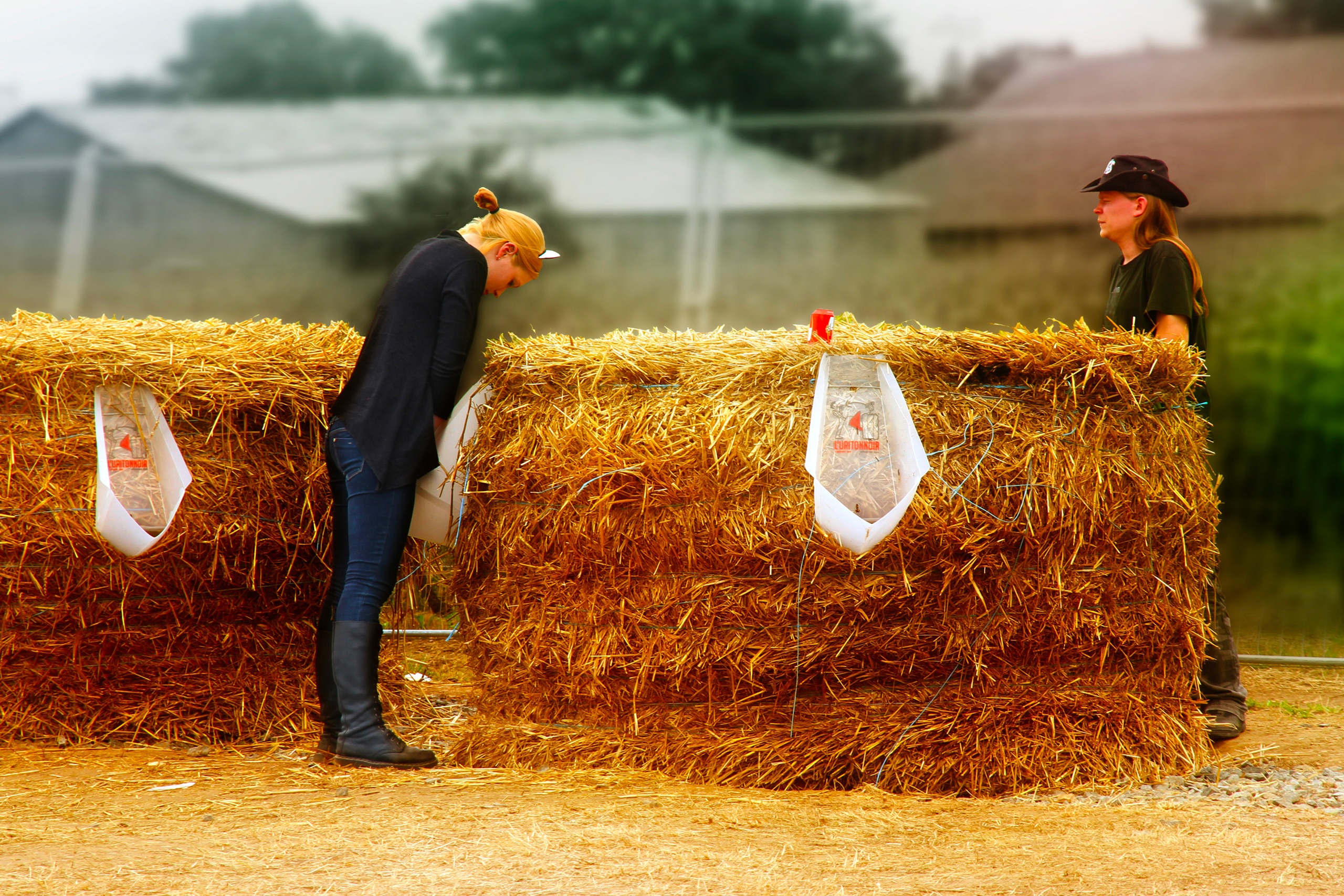
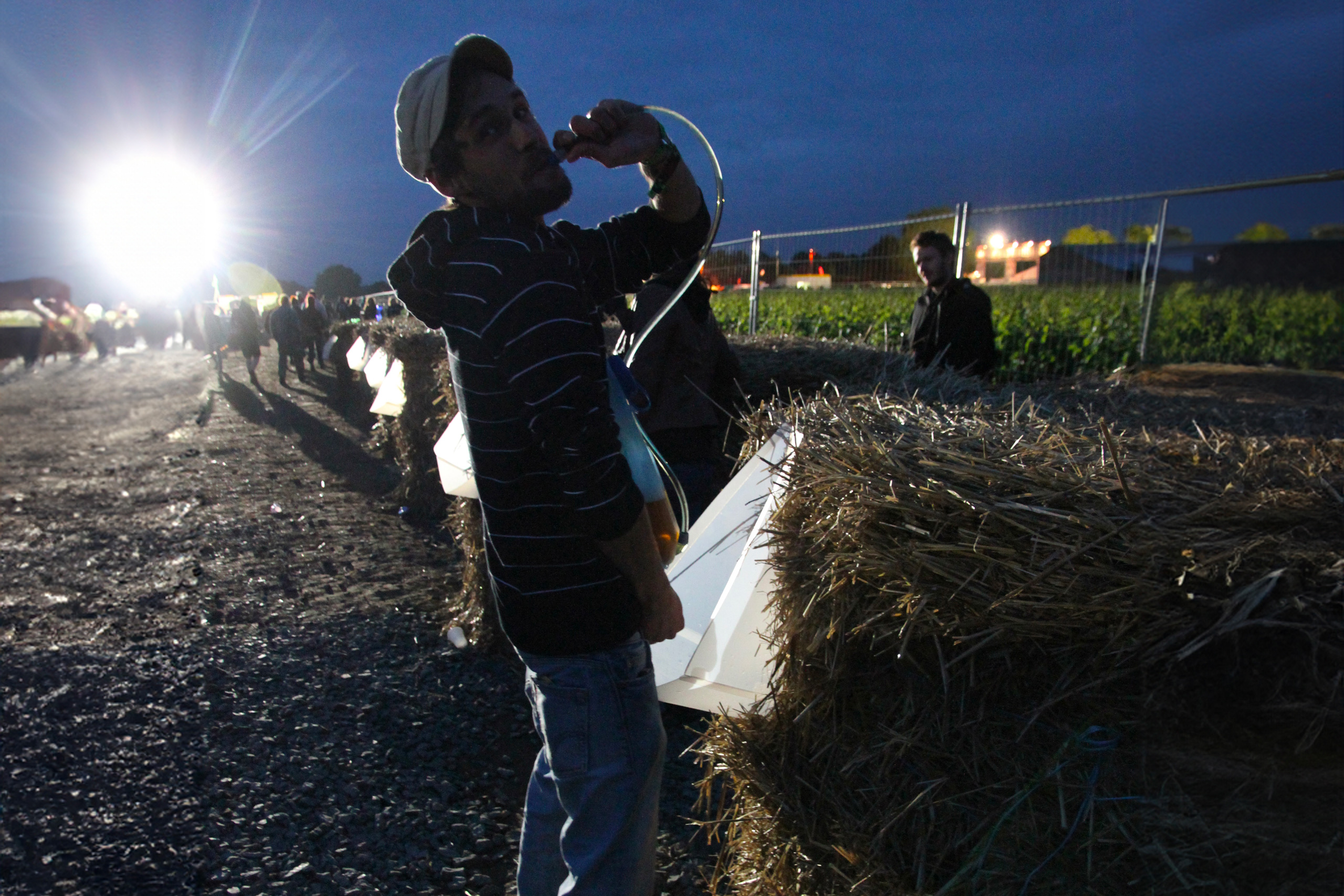
Pisseur d'uritonnoir au Hellfest

We know that the uritonoir works perfectly in the backyard, but we still had to assess the absorption capacity of straw bales on a larger audience!

What festival do we have on hand near Nantes?

Well … Hellfest! 😈 A quick call to the KING of Hellfest logistics, always on the lookout for sanitary solutions.

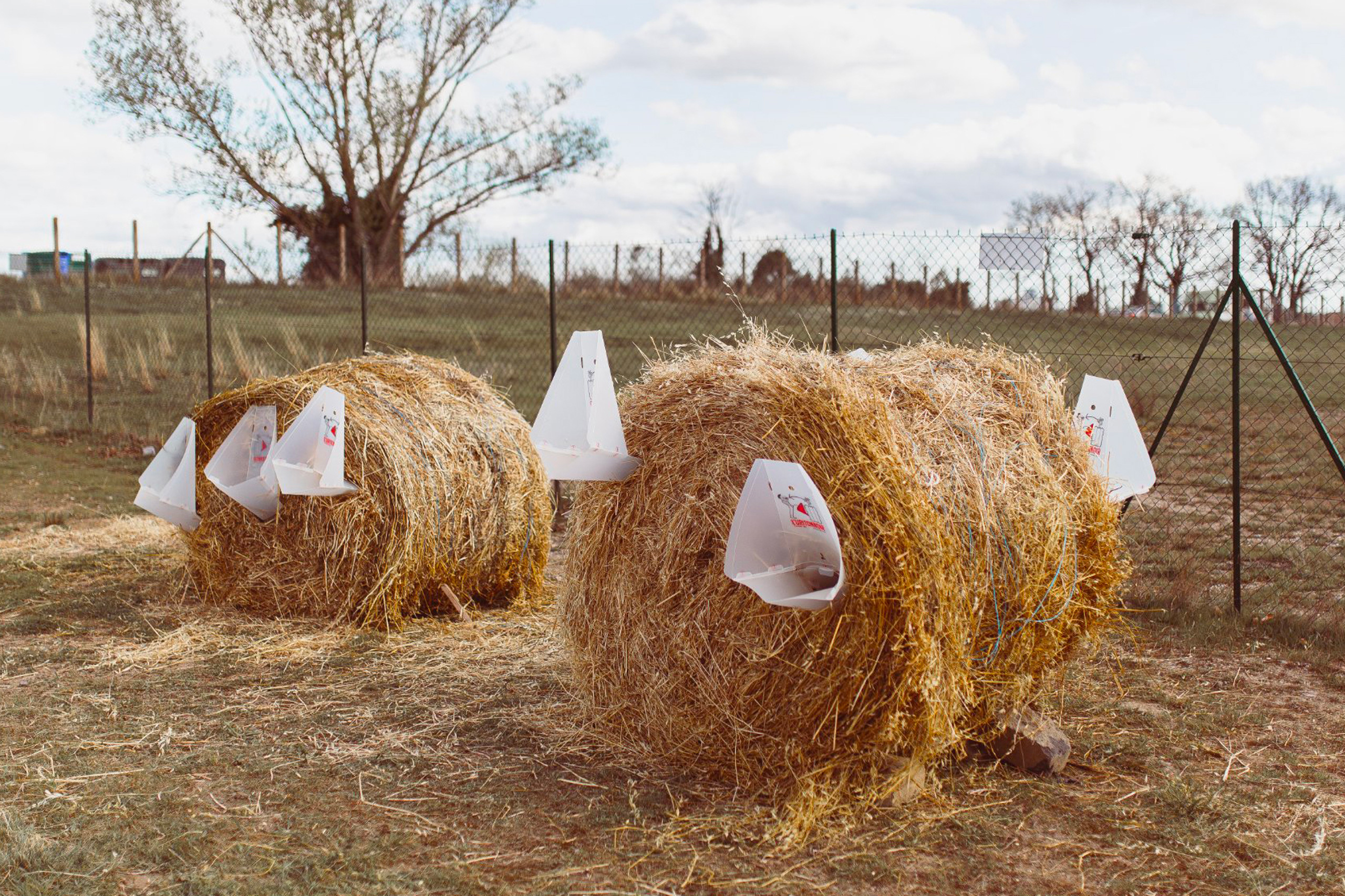
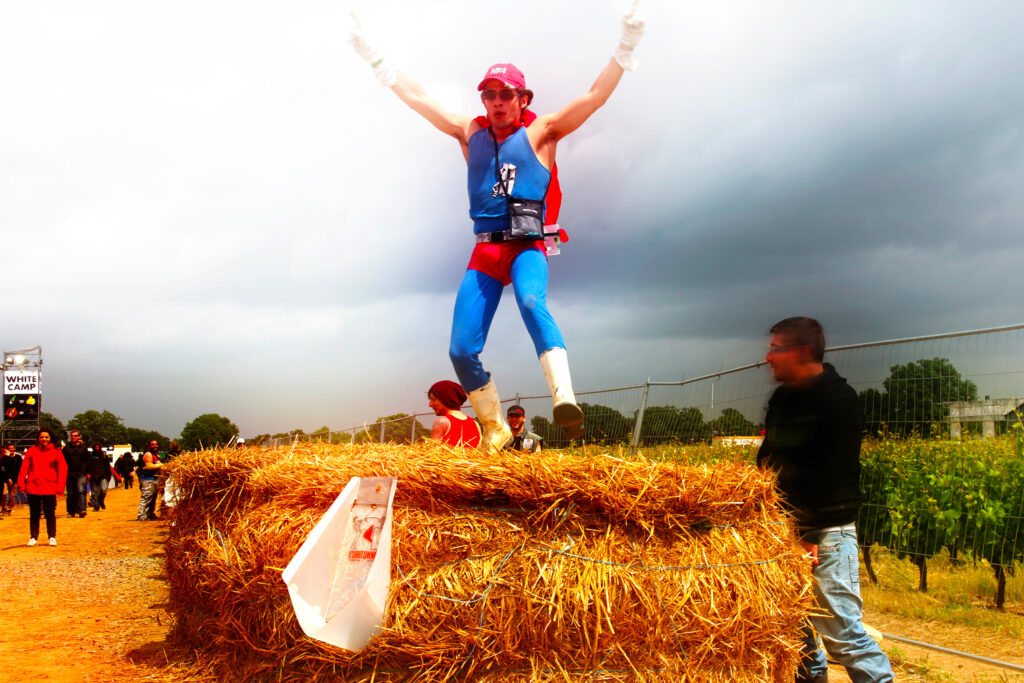
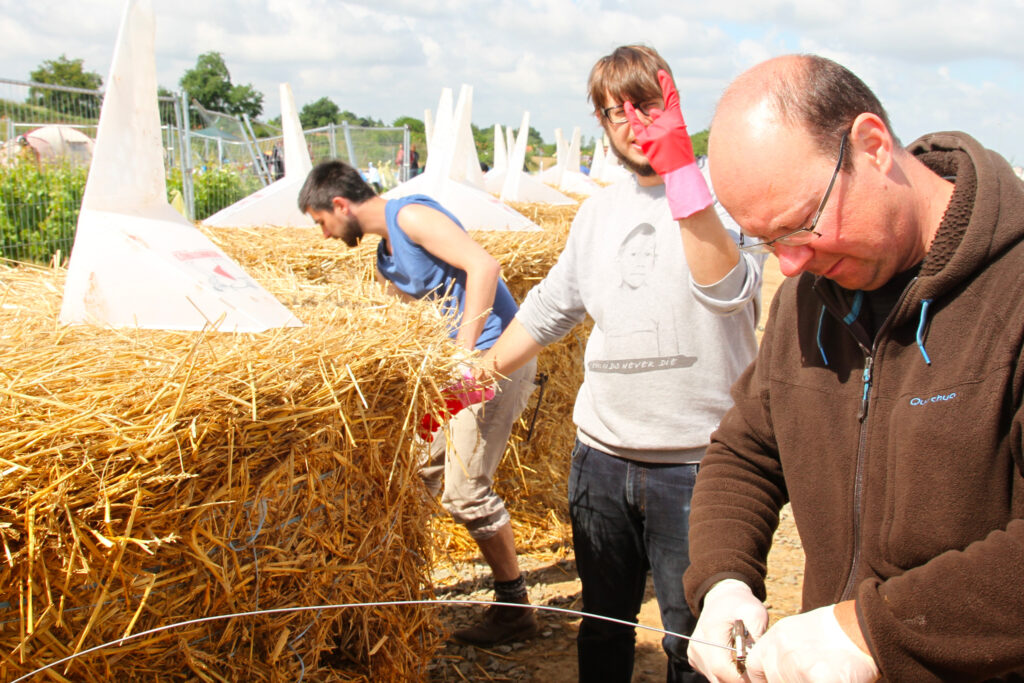
He suggested we install nine round bales of straw, each fitted with 3 uritonnoirs. 27 uritonnoirs in the centre of WHITE CAMP HELLFEST, where 30,000 festival-goers pitch their tents!

A small observation team is organised. Like all conscientious and dedicated designers, we also pitch our tents at one end of the straw bales, equipped with hand-held counters.

The festival opens its doors! Go! Go!

How strange… after a few hours, the festival-goers gave up their 25 cl cups in favour of 1.5 litre jugs… 🍺🍺🍺🍺🍺

A tsunami of urine!

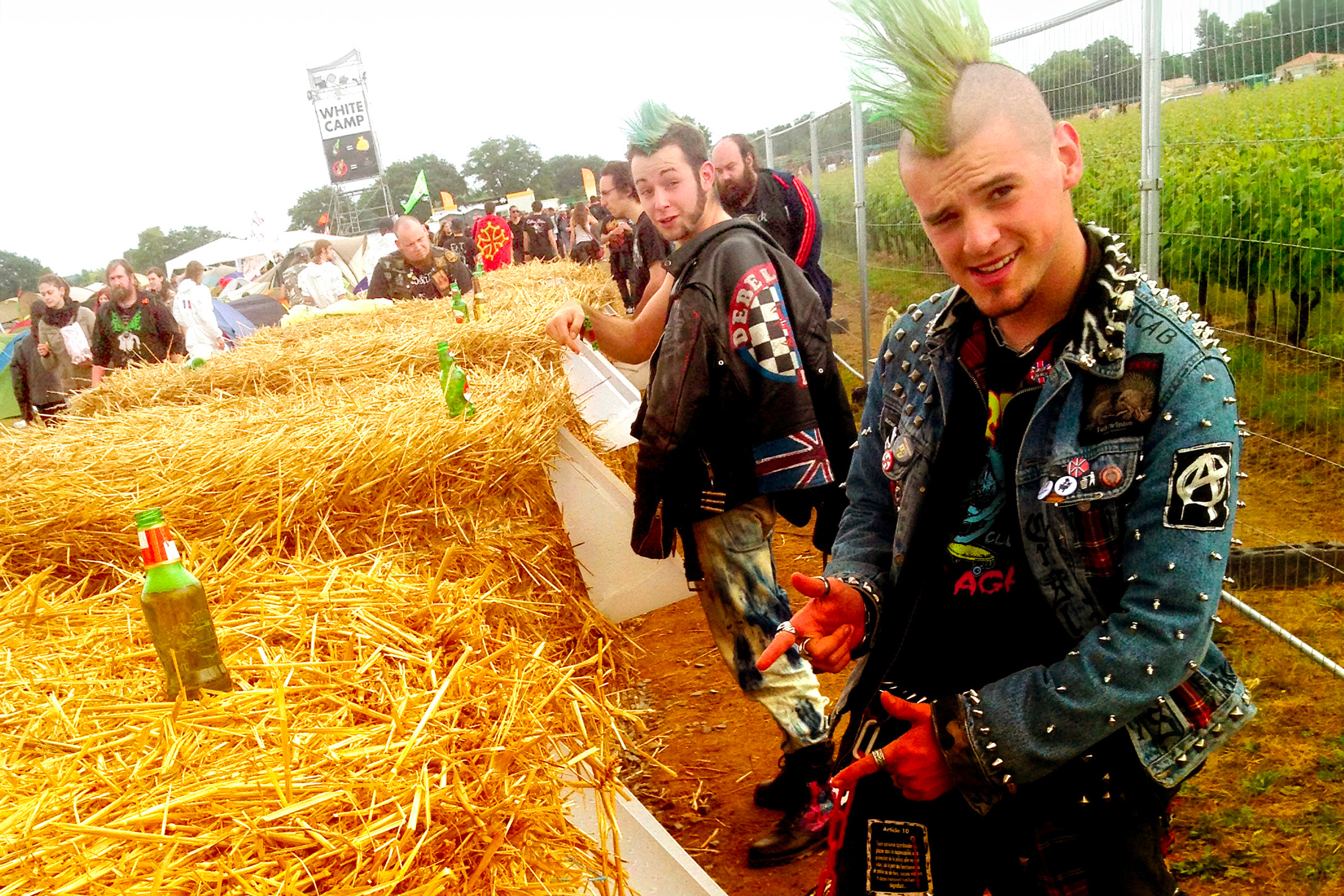
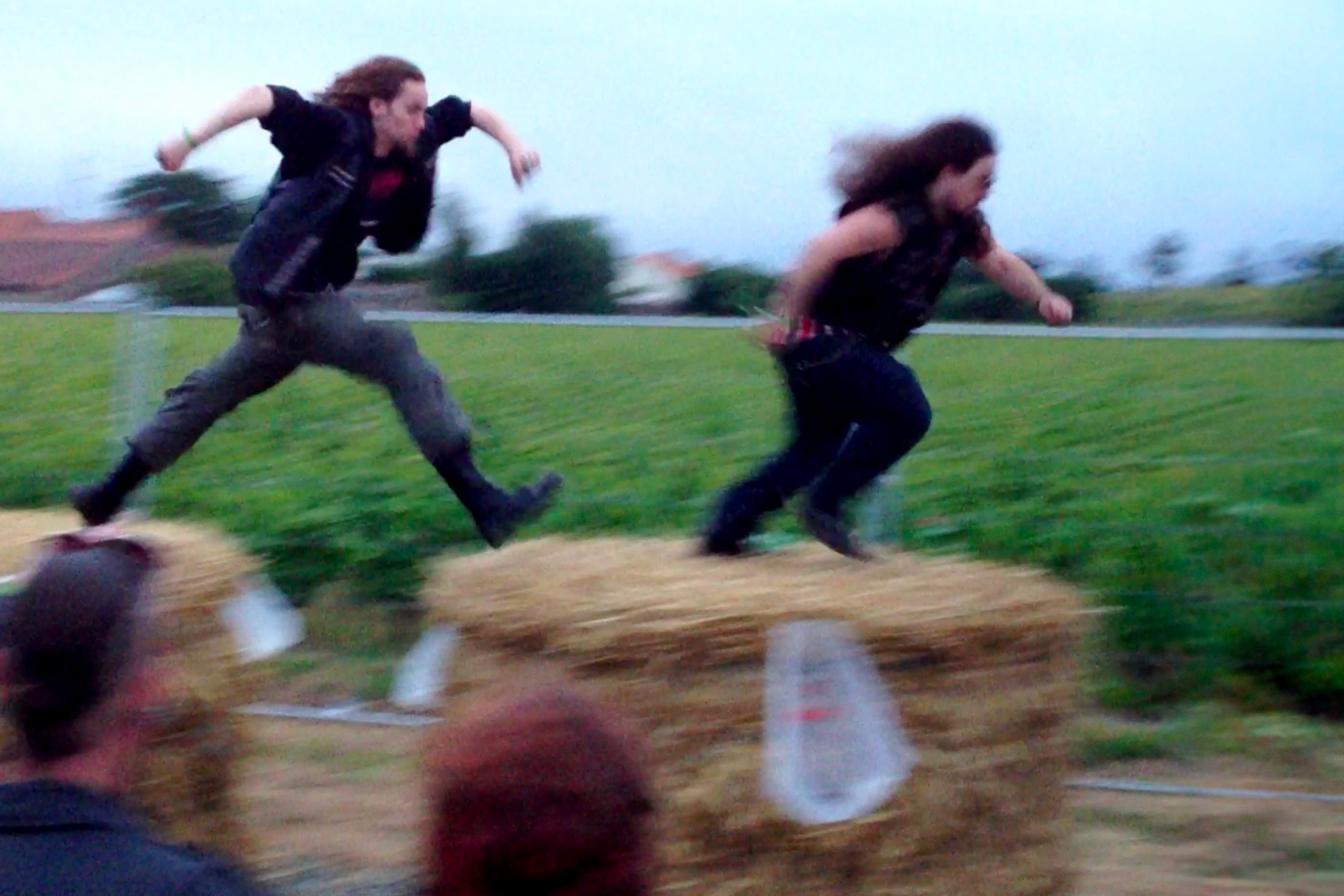
Fortunately, we’re not alone: additional sanitary solutions are in place. The first day passed calmly, with wave after wave of festival-goers. They put their jugs on the straw bales and empty their bladders at a frantic pace. At what point, after how many litres, will the straw bales implode? The third day was more complicated! A ball change would have been useful. A ball change would have been useful. But on such a busy festival, handling vehicles are banned for safety reasons.. This is what we call a full-scale crash-test of a technical function!

The small victory is hearing festival-goers exclaim: ‘Ah! But it’s for making manure… clever!’ 🪱
There it’s won: this little object does convey the essential message!

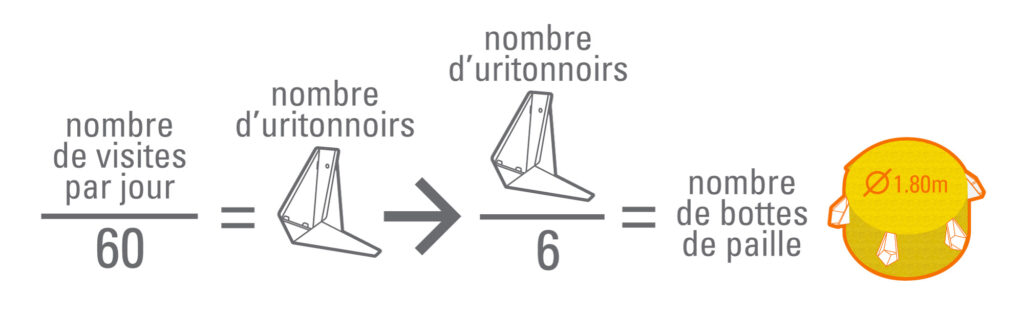
We now have our information:
We can now correctly size the number of uritonnoirs according to the number of users!

The uritonnoir is therefore highly effective in the following contexts:

– micro-festivals, which often have little money to hire sanitary facilities
– agricultural festivals (where straw is readily available)
– green classes, scouting and other nature camps
– sporting events (along trails and other running routes)
– family celebrations, birthdays
– corporate events
– campsites and farm gites
– accrobranche and via ferrata sites
– adventure parks
– and of course in ALL GARDEN AREAS without distinction!

Wherever this precious liquid is harvested to be used in situ as fertiliser for tomatoes! 🍅

Posted on Leave a comment

BOB ! Also for on-the-go consumption!

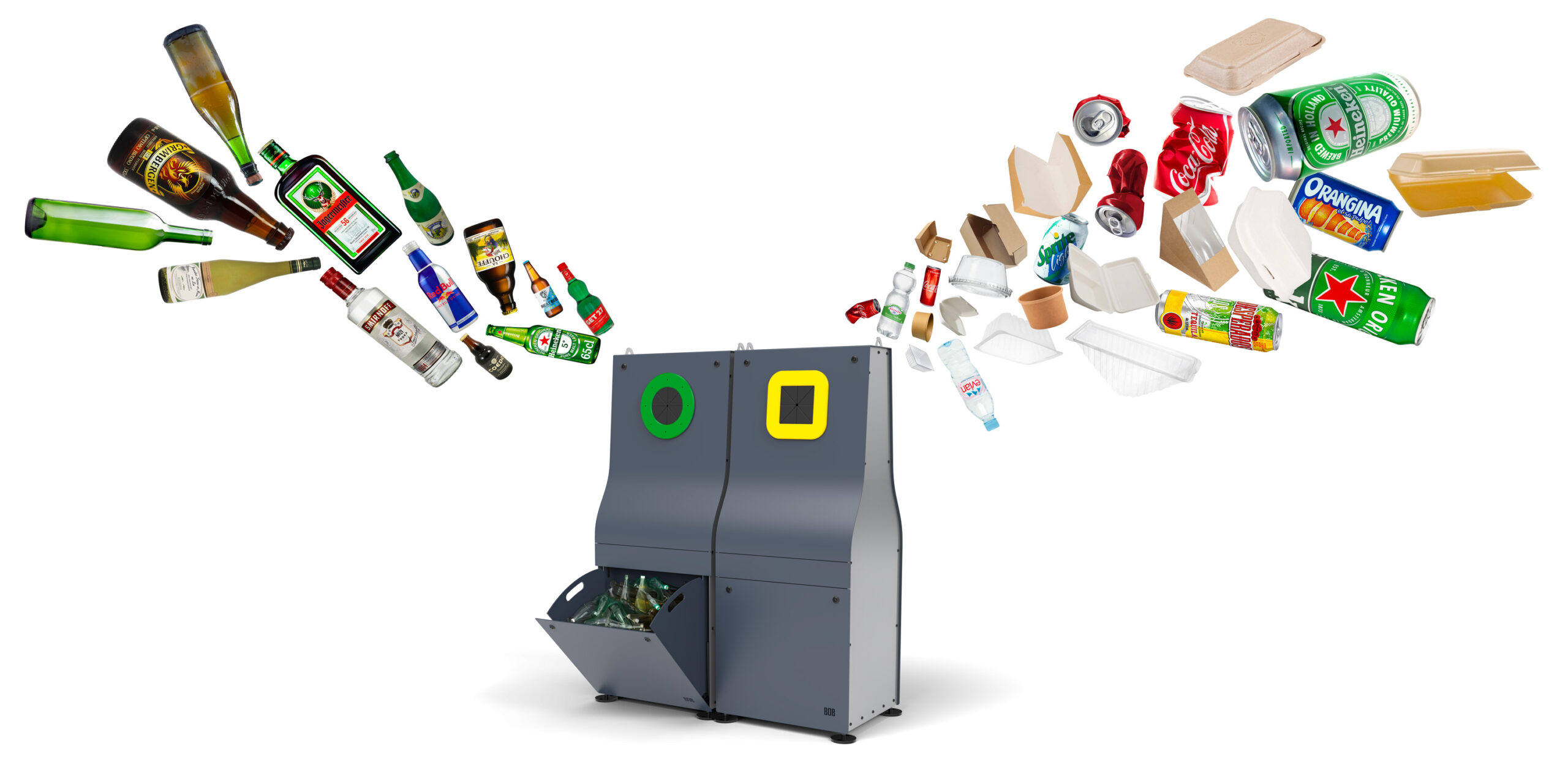
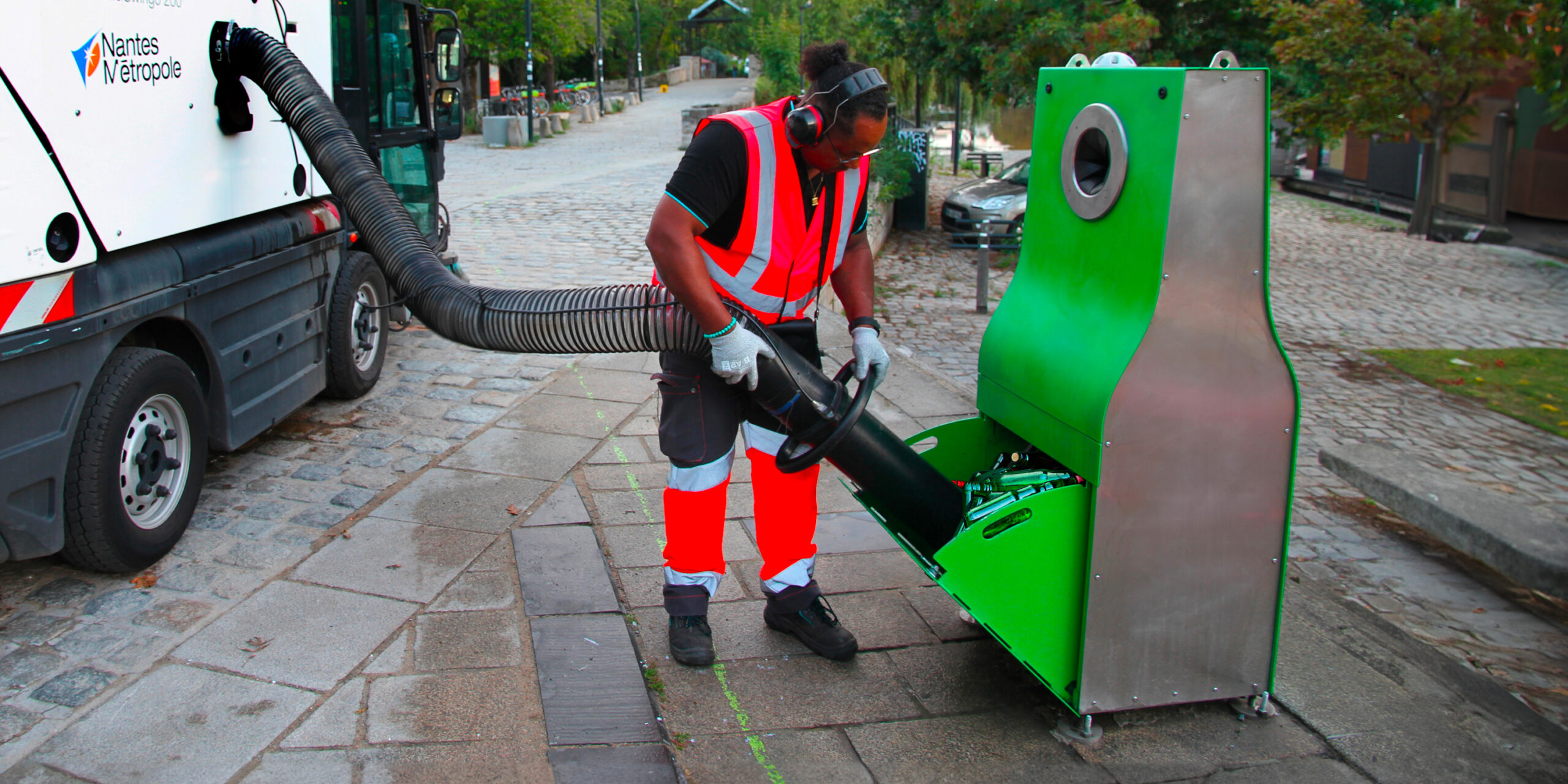
BOB collecte le verre et les emballages issus de la consommation nomade

BOB is designed for the collection and sorting of glass in public spaces, but not only that…

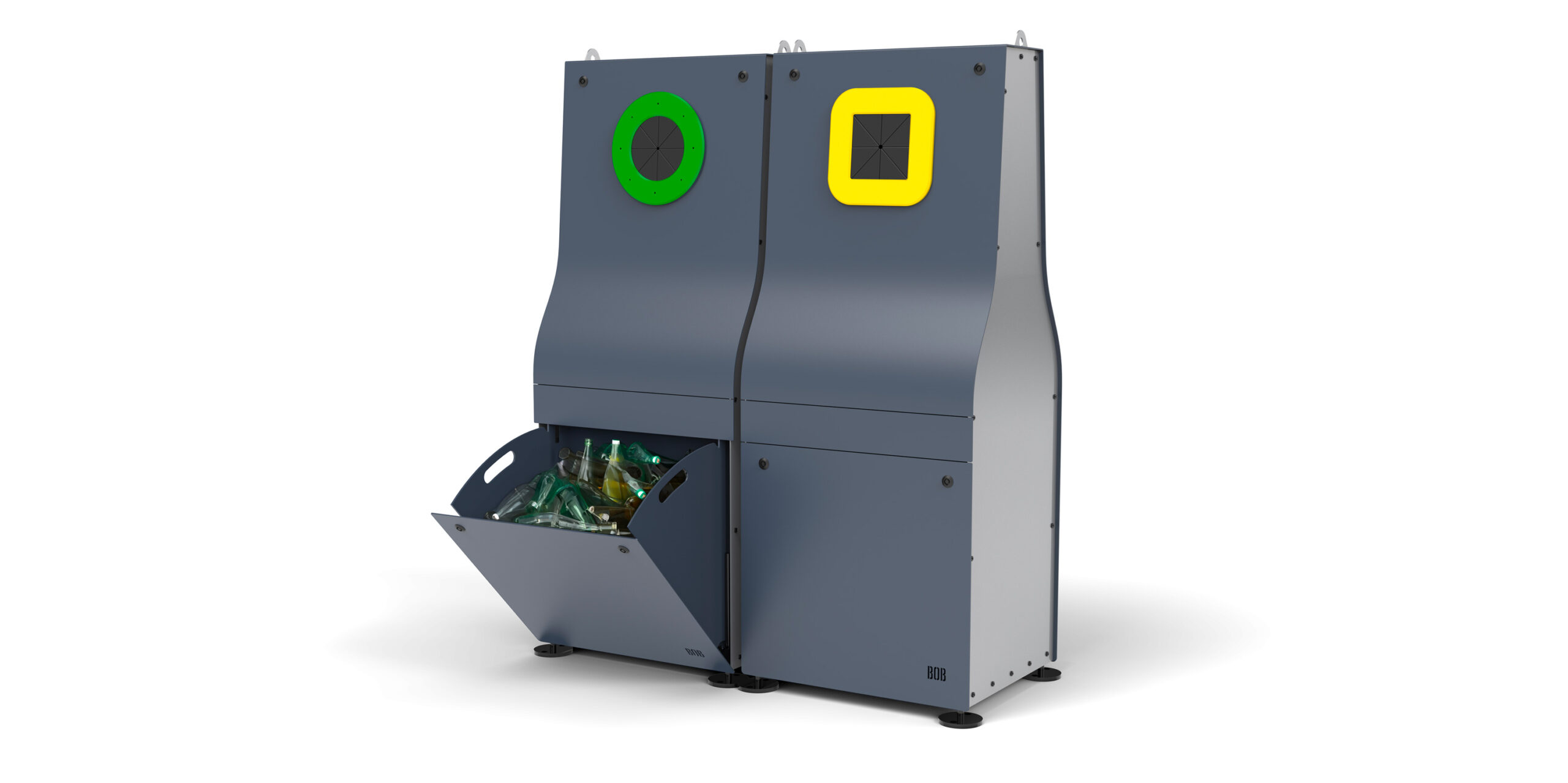
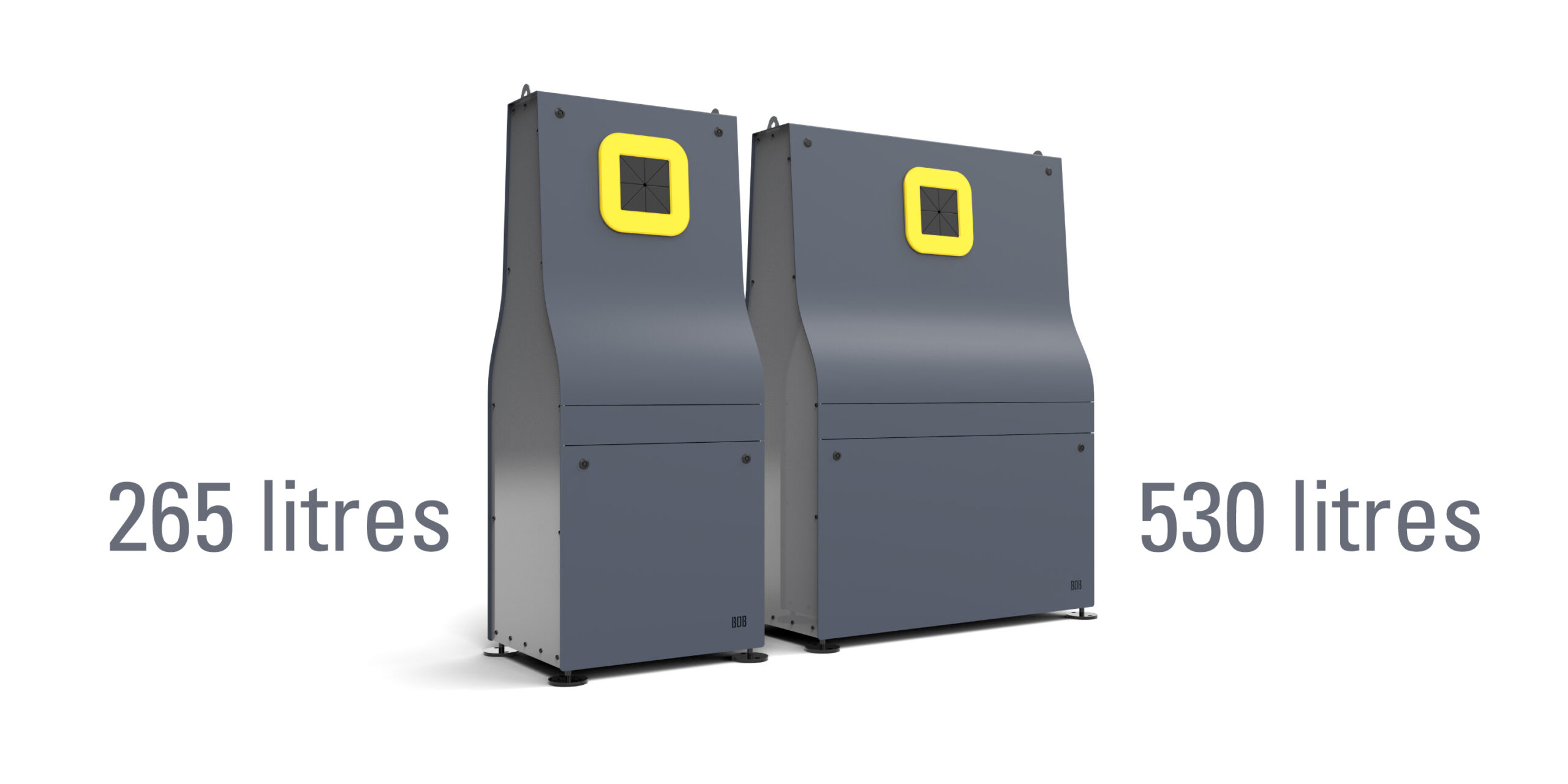
BOB now also offers an out-of-home collection and sorting solution for on-the-go packaging! BOB has a new square yellow lid for food packaging.

Another new feature is that BOB has broadened its shoulders, offering a second storage capacity of 530 litres.

BOB is simply emptied by suction, using the fleets of sweepers and vacuum cleaners already available in urban areas. It can be emptied by a single operator. It saves a considerable amount of time and manpower, as it avoids the need for cumbersome manual collection, which can lead to musculo-skeletal disorders.

BOB is a removable device. It can therefore offer a collection solution for urban cultural or sporting events.

Posted on Leave a comment

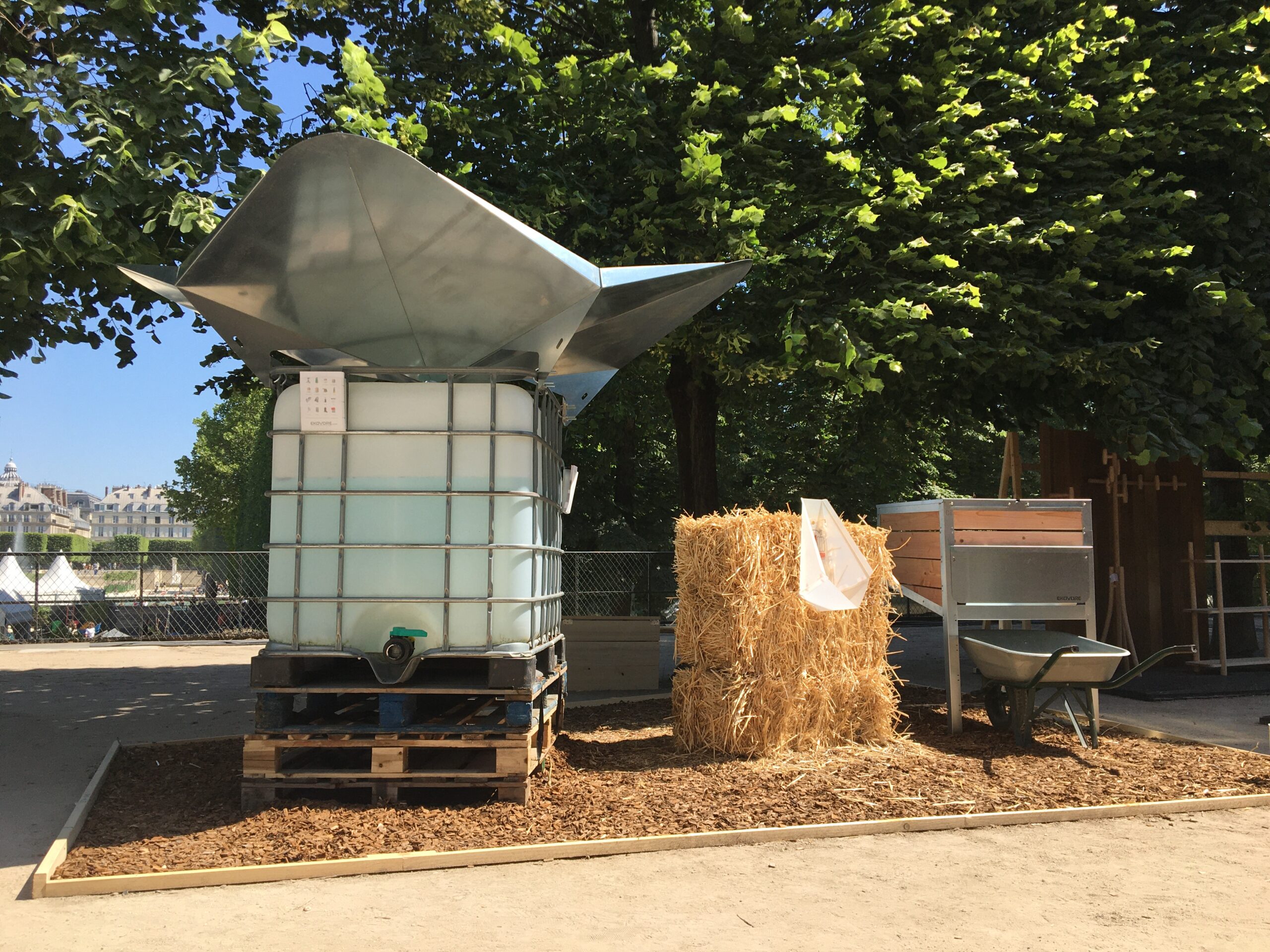
Ekovore / Prix du Bosquet des innovations 2023 at Jardins Jardin aux Tuileries!

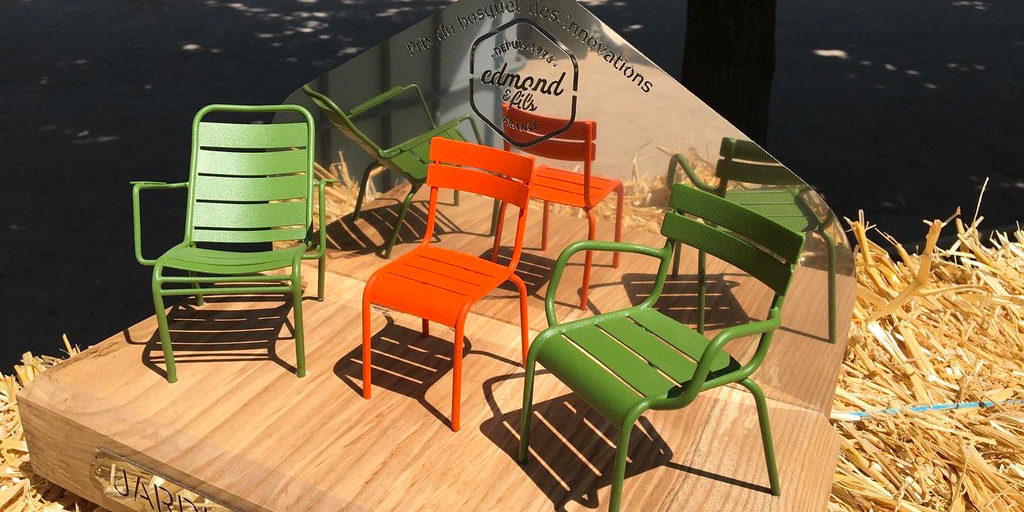
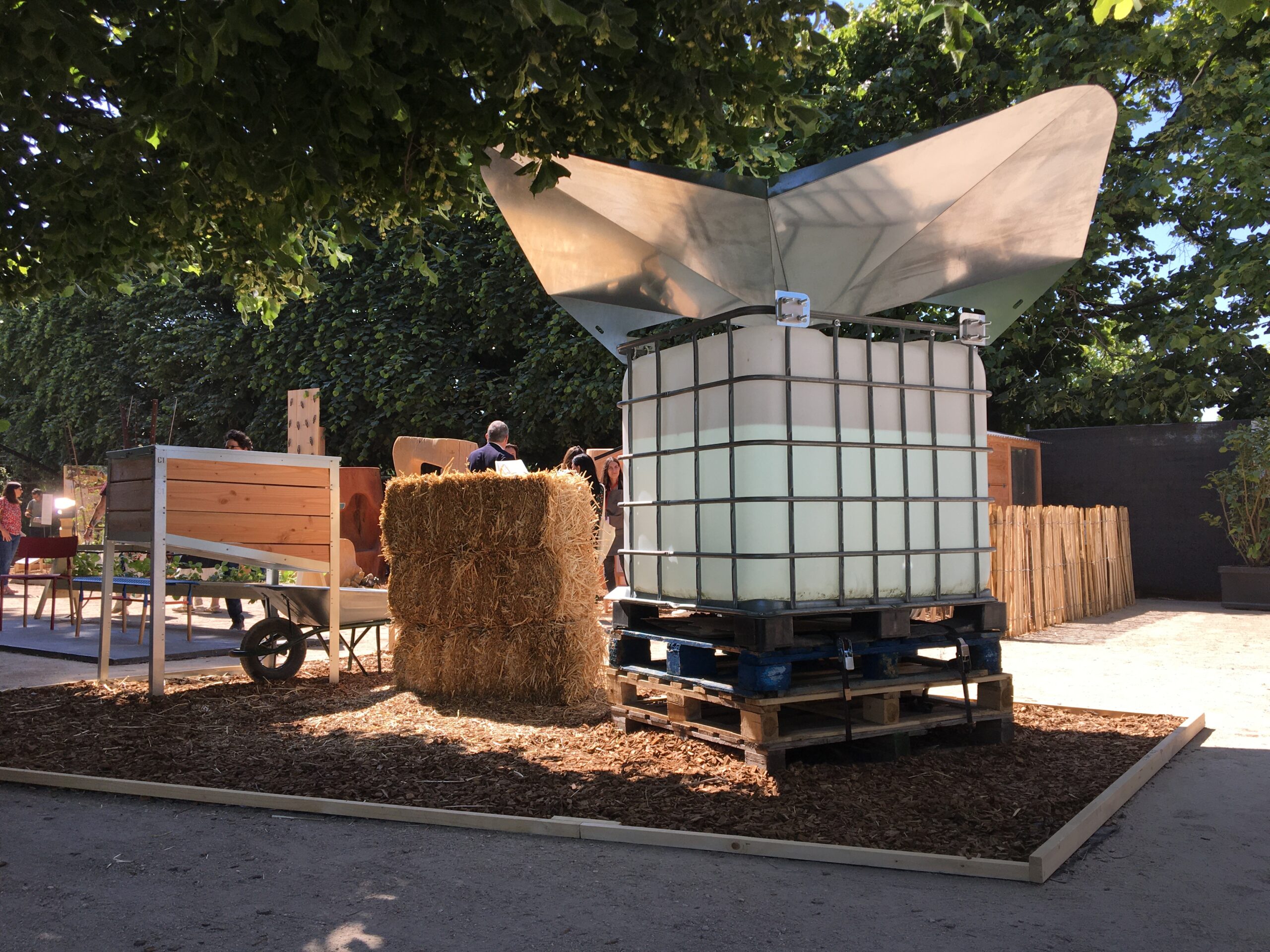
Trophée Edmond&fils. Le composteur individuel Ekovore lauréat du Bosquet des innovations lors de l'événement organisé aux Tuileries Jardins, Jardin

The surprise of the day!

The Bosquet Prize for Innovation 2023! Gardens Garden at the Tuileries

Trophy made by Edmond&Fils

Jardins Jardin ! It’s off to the Tuileries for 5 days of intense exchanges.

www.ekovore.com

#tuileries #transitionécologique #eaupluviale #IBC #jardinage #potager #économiecirculaire #valorisation #écologie #ecodesign #jardins #laureat #bosquetdesinoovations #jardinsjardin

Posted on Leave a comment

Uritonnoir is 10 years old!…

Tableau pour fêter les dix ans de l'uritonnoir

Uritonoir is 10 years old!…

… 10 years of providing a light, environmentally friendly and economical sanitary service,

  • for the vegetable gardens
  • for micro-festivals
  • for gîtes and campsites on the farm
  • for agricultural events
  • for sporting events, trails, marathons
  • for ecomuseums

In France, the UK, Belgium, the Netherlands, Germany and even the USA!

#urine #fertiliser #agriculture #nitrogen #phoshore #npk #circulareconomy #waterless

And for its 10th anniversary, throughout the month of May, the uritonnoir offers you a 10% discount